

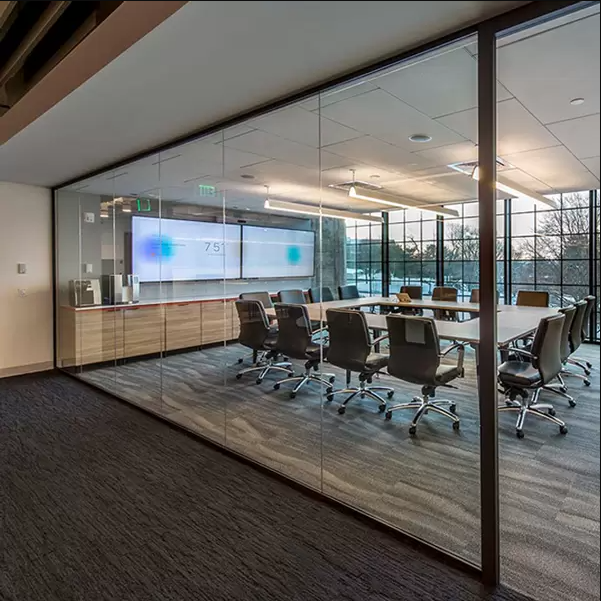
Laminated Smart Glass
Laminated smart glass consists of two or more glass panels bonded together with a smart interlayer, typically using liquid crystal or electrochromic technology.
Laminated smart glass consists of two or more glass panels bonded together with a smart interlayer, typically using liquid crystal or electrochromic technology. This interlayer allows the glass to switch between transparent and opaque states when an electrical current is applied.
When powered on, the glass becomes clear and allows natural light transmission. When powered off, it turns frosted or opaque, providing instant privacy. This dual-function design makes it suitable for environments that require flexible space management and visual control.
Key Features
-
Instant switchable transparency for privacy control
-
Laminated structure for enhanced safety and impact resistance
-
UV protection to reduce interior fading
-
Heat and glare reduction for improved indoor comfort
-
Low energy consumption for long-term efficiency
-
Compatible with smart building control systems
-
Durable and long service life design
Working Principle
Laminated smart glass operates using an intelligent interlayer embedded between glass sheets. The interlayer contains liquid crystal or electrochromic materials that respond to electrical signals.
When electricity is applied, the molecules align in a structured manner that allows light to pass through, creating a transparent state. When the power is turned off, the molecules scatter light, resulting in an opaque appearance.
This reversible switching function enables precise and instant control over visibility and lighting conditions.
Performance Advantages
Laminated smart glass offers a combination of safety, functionality, and energy efficiency. Its laminated structure ensures that the glass remains intact even when broken, reducing the risk of injury and improving security.
The switchable feature allows users to manage privacy without curtains or blinds, creating a cleaner and more modern interior environment. It also helps reduce glare and block harmful UV rays, protecting interior furnishings.
In addition, the glass contributes to energy savings by reducing heat gain and improving indoor climate control.
Application Areas
Laminated smart glass is widely used in various modern architectural and interior design applications, including:
-
Office meeting rooms and glass partitions
-
Hotel suites and luxury bathrooms
-
Hospital observation rooms and medical spaces
-
Corporate buildings and executive offices
-
Smart residential windows and interior design
-
Commercial facades and conference rooms
Its versatility makes it suitable for both functional and aesthetic building requirements.
Integration and Installation
Laminated smart glass is produced as a fully integrated glass unit, ensuring durability and long-term performance. It can be customized in terms of size, thickness, and configuration based on project requirements.
The system is also compatible with smart control solutions, allowing users to adjust transparency through wall switches, remote controls, or building automation systems.
Energy Efficiency and Sustainability
By controlling solar heat gain and optimizing natural light usage, laminated smart glass helps reduce reliance on air conditioning and artificial lighting. This improves overall building energy efficiency and supports sustainable construction practices.
Its UV-blocking and heat-reducing properties further enhance indoor comfort and environmental performance.
Conclusion
Laminated smart glass is a modern architectural solution that combines safety, privacy control, and energy efficiency in one advanced system. Its ability to switch between transparent and opaque states makes it ideal for intelligent buildings and high-end design projects.
As smart building technology continues to evolve, laminated smart glass is becoming an essential material for creating flexible, safe, and energy-efficient environments.
Related products
-
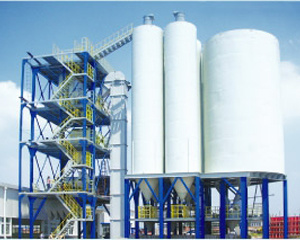
Tandem dry mixed mortar production line
Contact UsJiangjia Construction Machinery has accumulated more than 30 years of technical experience in producing drying and mixing equipment, targeting new technologies, materials, and products from foreign peers today. With independent innovation and the innovative concept of catching up with the international market, it has successfully developed the high-quality, high-efficiency, low-energy consumption, and environmentally friendly DZG series dry mix (powder) mortar production line. Since its launch on the market, the product has received high praise from domestic and foreign users, and has provided products and services to more than 300 customers at home and abroad.
-
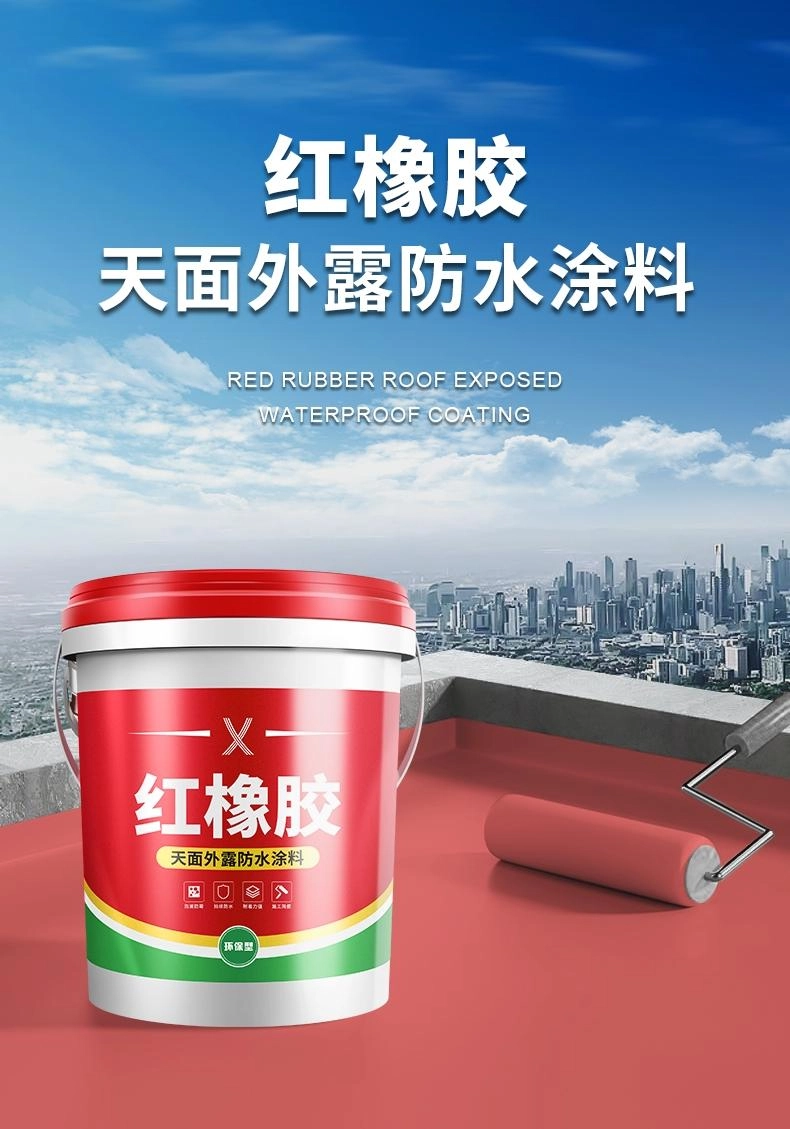
Red Rubber Waterproof Coating
Contact UsHigh and Low Temperature Resistance: Resistant to temperatures up to 120°C and -10°C.
-
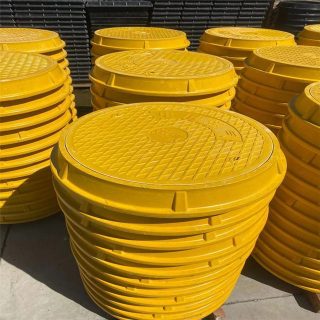
FRP Manhole Cover
Contact UsProduct name: FRP manhole coverSize: 700/600/500/300*300/400*400/customizedFeatures: Resistant to impact and weather/corrosionDescription of the function
-
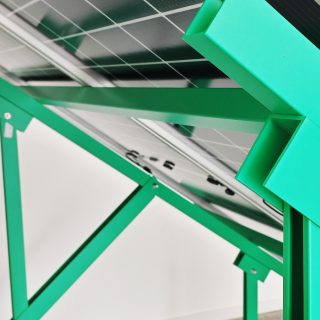
Photovoltaic panel frames
Contact UsFiberglass-reinforced polyurethane composite photovoltaic panel frames: An innovative and high-performance, low-carbon choice
Reviews
There are no reviews yet.