

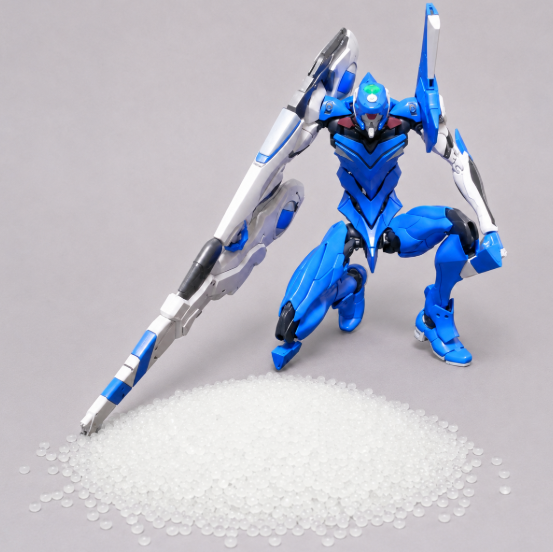
PLA Resin-SPL701 SPL101 for 3d Printing
SPL101 has a low optical purity, and the melting point is ≤160°. lt has high stiffness, gloss, and transparency. lt is compatible with nonwoven web formation technologies.
SPL101 is a bio-based polylactic acid (PLA) thermoplastic produced from lactic acid derived from corn fermentation. As a renewable polymer material, it offers biodegradability, good rigidity, high transparency, and convenient processing characteristics.
The material is designed for applications including injection molding, fiber production, sheet materials, films, staple fibers, and filaments. Its renewable feedstock and lower carbon footprint make PLA a suitable material option for manufacturers looking to reduce dependence on conventional petroleum-based plastics.
Product Highlights
-
Bio-based thermoplastic derived from renewable plant resources
-
Lactic acid produced through corn fermentation
-
Good biodegradability
-
High transparency
-
Good material rigidity
-
Easy processing characteristics
-
Suitable for injection and fiber applications
-
Applicable to sheet, film, staple fiber, and filament production
-
Suitable as a renewable alternative to conventional petroleum-based plastics
Technical Data Sheet
| Item | SPL101 |
|---|---|
| Application | Injection and Fiber |
| Melting Point | ≤160°C |
| Melt Index | 4–6 g/10 min |
| Test Condition for Melt Index | 190°C / 2.16 kg |
| Glass Transition Temperature | 60°C |
| Density | 1.24 g/cm³ |
| L-Content | ~96% |
| Monomer Content | ≤0.3% |
| Moisture | ≤0.05% |
| Tensile Strength | ≥45 MPa |
| Elongation at Break | ≥2% |
Material Characteristics
Bio-Based Feedstock
SPL101 is synthesized from lactic acid obtained through corn fermentation, providing a renewable raw-material route for PLA production.
Biodegradable Polymer
The material offers good biodegradability and is suitable for manufacturers developing products where renewable and biodegradable polymer characteristics are required.
Processing Performance
With a melting point of ≤160°C and a melt index of 4–6 g/10 min under 190°C / 2.16 kg testing conditions, SPL101 can be processed for suitable injection and fiber manufacturing applications.
Mechanical Properties
SPL101 provides a tensile strength of ≥45 MPa and elongation at break of ≥2%, together with a density of 1.24 g/cm³.
Optical and Physical Properties
The PLA resin combines good transparency and rigidity, making it suitable for applications where both material appearance and structural characteristics are important.
Recommended Applications
Injection Molding
SPL101 can be used as a PLA resin for injection-molded products requiring bio-based and biodegradable polymer characteristics.
Fiber Production
The material is suitable for fiber-related processing and can be used in the production of staple fiber and filament.
Sheet and Film Manufacturing
SPL101 can be processed into sheet and film materials for applications requiring PLA-based substrates.
Filament Production
Its processing characteristics also make the material suitable for filament manufacturing, including applications where PLA is selected for its renewable feedstock and biodegradability.
Application Scope
SPL101 Polylactic Acid is intended for manufacturers working with:
-
Injection-molded PLA products
-
PLA sheets
-
PLA films
-
Staple fibers
-
Filaments
-
Other suitable PLA-based products
SPL101 provides a combination of bio-based raw materials, biodegradability, rigidity, transparency, and processability, making it a practical PLA resin option for manufacturers seeking renewable polymer materials for injection and fiber applications.
Related products
-
Dessert Gift Boxes
Contact UsDifferent occasions have different needs for dessert gift boxes. Customized gift boxes can be designed according to specific occasions. For example, wedding dessert gift boxes can be packaged in exqui
-
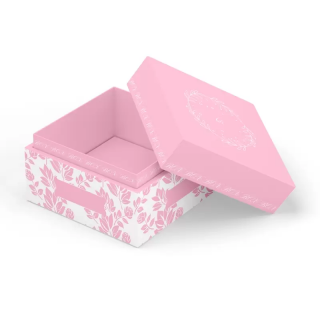
Two Piece Cardboard Boxes
Contact UsElevate your product presentation with our high-quality two piece cardboard boxes, featuring a separate lid and base for premium unboxing experiences.
-
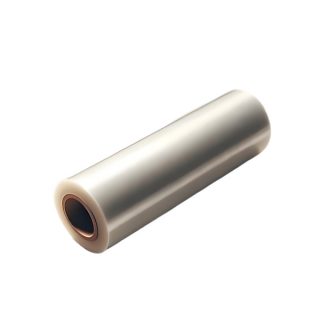
Food Preservation Film
Contact UsFood preservation film is a functional film product specifically designed for food storage. Endowed with excellent sealing, oxygen-barrier, and moisture-retention properties, it has become an indispensable food preservation tool in home kitchens, the catering industry, and the food retail sector. Its core function is to delay the oxidative deterioration of food and reduce moisture loss, thereby extending the freshness period of food and minimizing waste.
Moisture Retention & Freshness Preservation: It adheres closely to the surface of food, effectively reducing moisture evaporation from ingredients such as fruits, vegetables, and cooked food. This prevents ingredients from becoming shriveled and losing their texture due to moisture loss (e.g., cut watermelons, lettuce salads).
Oxygen Barrier & Oxidation Prevention: By isolating oxygen in the air, it slows down the oxidation reaction of ingredients, delaying the spoilage of meat and seafood, as well as the “browning” of cut fruits (e.g., apples, pears) caused by oxidation.
Odor Isolation & Hygienic Protection: When stored in the refrigerator, it can separate the odors of different foods (e.g., the pungent smell of onions and garlic does not interfere with the aroma of pastries and fruits). Meanwhile, it prevents food from directly contacting the inner walls of the refrigerator, reducing the risk of cross-contamination by bacteria.
Convenience & Ease of Use: Most products adopt a “roll + cutter” design, allowing flexible cutting of lengths according to the size of the food. The thin, lightweight, and transparent material also makes it easy to check the condition of the wrapped food—there is no need to unwrap it to confirm the type and freshness of the ingredients. -
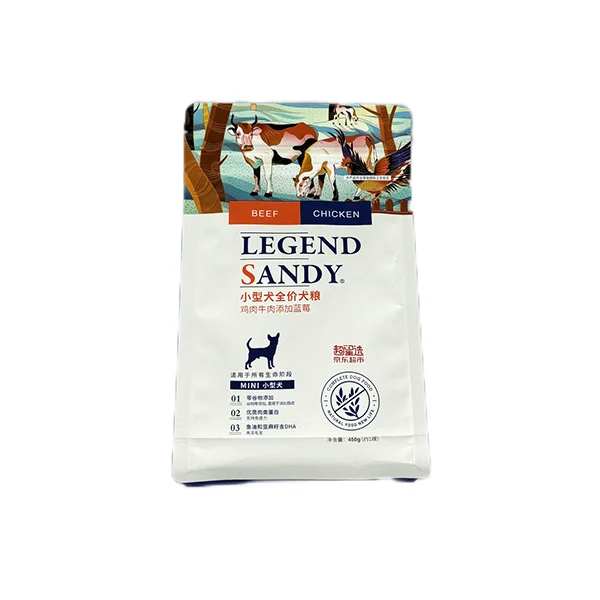
Animal feed
Contact UsOur Animal feed packaging is made of plastic films and paper-based materials. Polyethylene (PE), polypropylene (PP), and polyethylene terephthalate (PET).
Reviews
There are no reviews yet.