

Trusted Gemfan Propeller Factory OEM/ODM Services
Professional drone propeller manufacturer
Why OEM/ODM Partnerships Matter in UAV Propeller Manufacturing
The unmanned aerial vehicle industry continues to expand across diverse applications, from agricultural spraying to cinematic filming, racing competitions to industrial inspections. Each scenario demands specialized power system configurations, yet many UAV manufacturers face persistent challenges: propeller-motor mismatches, suboptimal efficiency, excessive noise levels, and the absence of distinctive brand identity. These technical bottlenecks directly impact aircraft performance and market competitiveness.
Establishing partnerships with experienced propeller manufacturers through OEM (Original Equipment Manufacturing) and ODM (Original Design Manufacturing) models has become a strategic solution. This collaboration approach enables UAV companies to access specialized aerodynamic expertise, precision manufacturing capabilities, and customized design resources without building in-house propeller production facilities.
Understanding the Full Spectrum of Customization Services
Comprehensive OEM/ODM services extend far beyond simple logo printing. Professional propeller manufacturers now offer multi-dimensional customization that addresses the complete product development lifecycle.
Standard Specification Customization allows manufacturers to adjust fundamental parameters including propeller size, pitch angles, and material compositions. This flexibility ensures compatibility with specific motor configurations and flight controller systems. Whether developing micro drones requiring 2-inch propellers or industrial platforms needing 18-inch blades, specification customization provides the foundation for optimized performance.
Brand Identity and Packaging Customization addresses the commercial aspects of product differentiation. Custom color schemes, proprietary branding elements, and tailored packaging designs help UAV manufacturers establish recognizable market presence. This service proves particularly valuable for companies transitioning from generic components to branded product lines.
UAV Power System Matching Design represents a more technical service tier. Experienced propeller engineers collaborate with aircraft designers to ensure propulsion system harmony. This involves analyzing motor specifications, battery configurations, flight controller parameters, and operational requirements to recommend or design propellers that maximize system efficiency while meeting performance targets.
Propeller Aerodynamic Optimization tackles scenario-specific challenges through computational fluid dynamics and empirical testing. For racing drones, optimization focuses on instantaneous throttle response and cornering stability. Agricultural drones require designs that maximize downwash pressure for effective spraying. Cinematic platforms need configurations that minimize vibration for smooth footage capture.
Material Solution Development expands beyond standard plastic compounds. Advanced manufacturers work with materials including polycarbonate for durability, glass-fiber reinforced nylon for strength-to-weight optimization, and specialized composites for extreme operational environments. Material selection directly influences propeller lifespan, crash resistance, and performance consistency across temperature ranges.
The Strategic Advantages of Deep Synchronous R&D
Traditional supplier relationships often involve transactional exchanges where manufacturers specify requirements and suppliers deliver standard products. Advanced OEM/ODM partnerships operate differently, emphasizing collaborative development from project inception.
Deep synchronous R&D enables propeller specialists to participate in aircraft development from conceptual stages through production scaling. This early involvement allows aerodynamic considerations to influence airframe design, motor selection, and flight envelope definition. Rather than adapting existing propeller designs to completed aircraft, engineers optimize both elements simultaneously.
This approach proves especially valuable when developing UAVs for novel applications or challenging operational parameters. A manufacturer creating long-endurance inspection drones benefits from propeller designs specifically engineered for cruise efficiency rather than adapting racing propellers intended for different performance priorities.
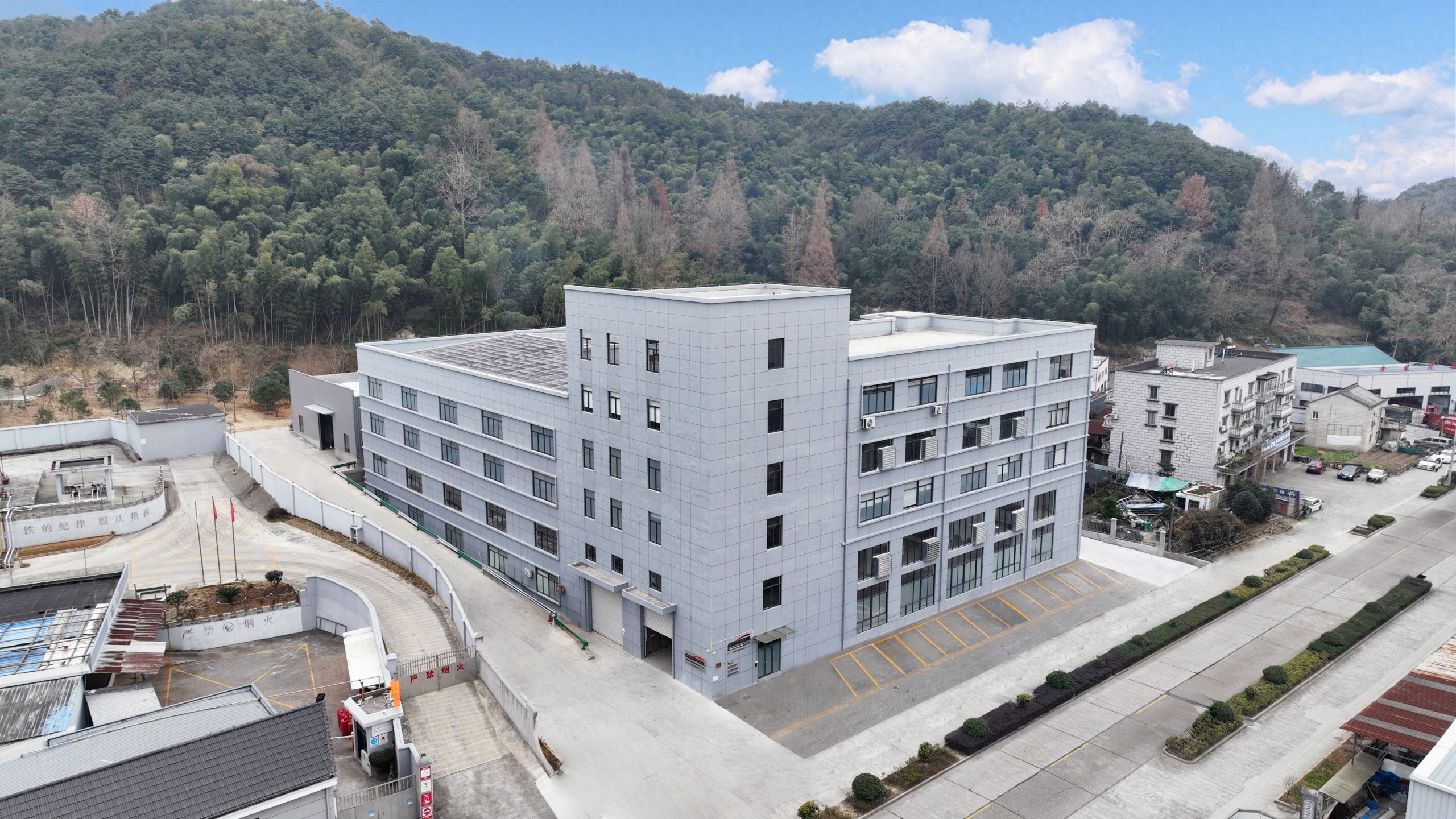
Gemfan Hobby Co., Ltd. exemplifies this comprehensive approach through their position as a UAV propeller manufacturer and solution provider integrating R&D, design, production, and sales. Operating from a 7,000-square-meter facility equipped with precision injection molding machines and CNC equipment, the company maintains capabilities spanning micro-scale to industrial-grade applications across more than 60 countries and regions worldwide.
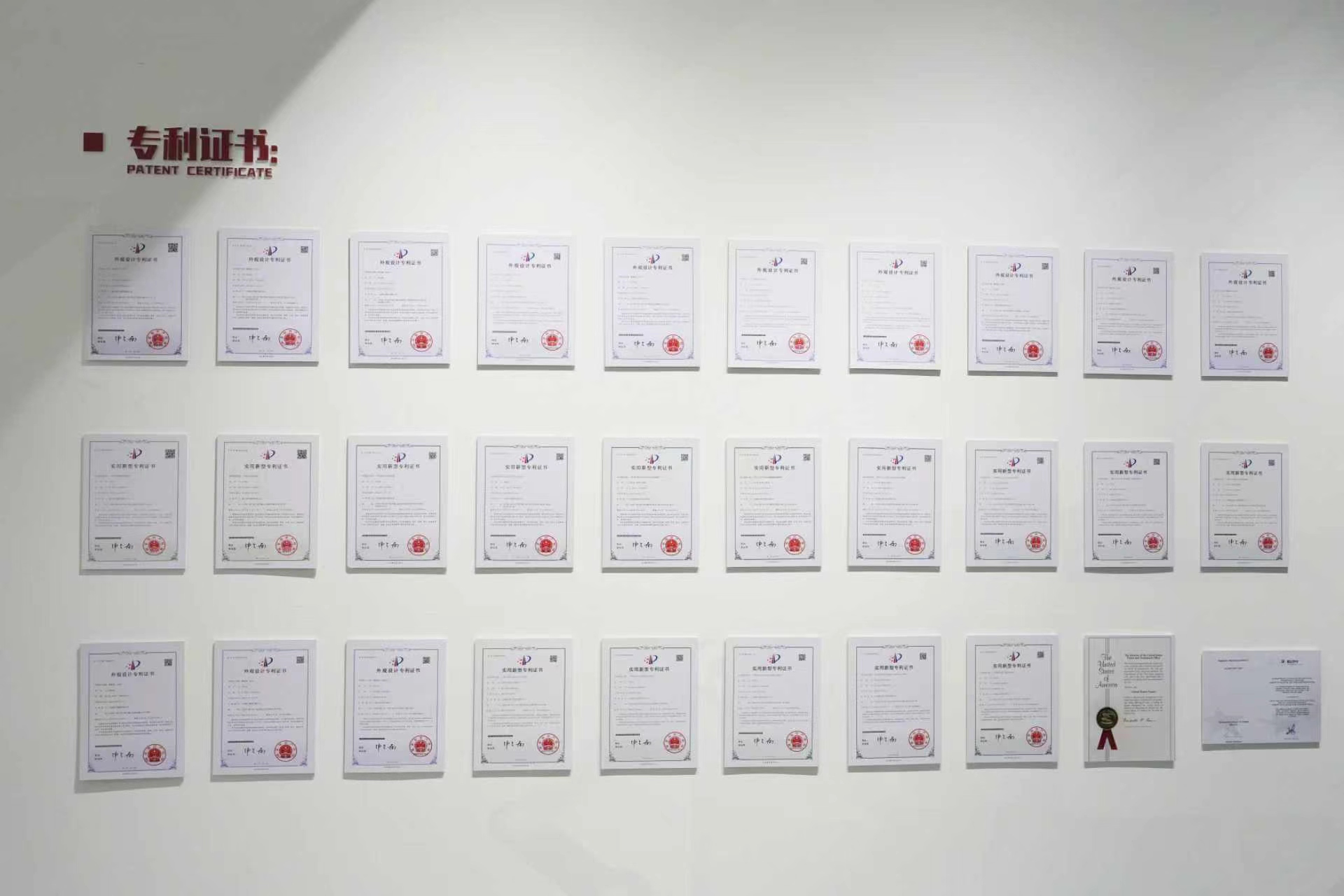
With over 50 design patents and recognition as a frequently used brand by FPV competition champions, Gemfan has established power system partnerships with multiple UAV enterprises. Their professional R&D team possesses expertise in aerodynamic and structural design, material solution development, and multi-round data verification, enabling participation throughout customers’ complete aircraft development cycles.
Closed-Loop Development Systems: From Concept to Production
Effective OEM/ODM partnerships require systematic processes that maintain quality and performance standards while meeting commercial timelines. A closed-loop development system addresses this through structured phases.
Demand analysis begins with comprehensive discussions covering operational scenarios, performance expectations, regulatory requirements, and market positioning. Engineers document flight envelope parameters, payload specifications, environmental conditions, and competitive benchmarks.
Aerodynamic design follows, applying computational modeling and database experience to create initial propeller geometries. Designs balance competing requirements—thrust generation, power efficiency, noise generation, structural strength, and manufacturing feasibility.
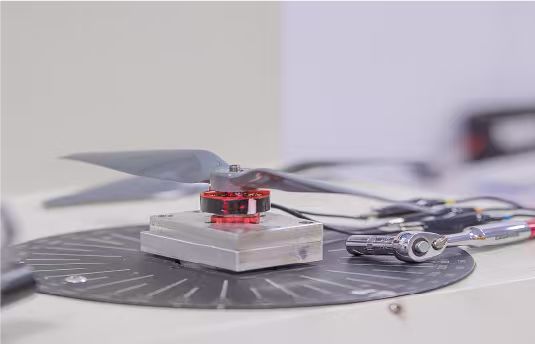
Performance testing validates designs through multiple verification methods. Dynamic balance testing ensures minimal vibration that could degrade flight stability or camera quality. Thrust efficiency testing quantifies actual power system performance across throttle ranges and flight speeds. Multi-round data verification identifies optimization opportunities and confirms specification compliance.
Large-scale production transitions validated designs into manufacturing workflows. This phase addresses tooling development, quality control procedures, production volume scaling, and delivery logistics. Experienced manufacturers maintain consistency between prototype performance and mass-produced units through rigorous process controls.
Industry-Specific Adaptations and Applications
Different UAV applications impose distinct propeller requirements. Understanding these variations enables manufacturers to develop targeted solutions rather than generic compromises.
Film and television shooting platforms prioritize vibration minimization for stable footage and low acoustic signatures to avoid audio interference. Cinelifter propellers incorporate dynamic balance calibration and materials selected for dampening characteristics.
Racing competitions demand instantaneous throttle response and durability under high-stress maneuvers. FPV racing propellers use aggressive pitch angles and reinforced structures optimized for dynamic response rather than cruise efficiency.
Agricultural spraying applications require maximum downwash generation for effective droplet penetration into crop canopies while maintaining efficiency for extended operational periods. Large-diameter propellers with specialized blade geometries address these requirements.
Industrial inspection missions balance flight time, payload capacity, and reliability. Propellers for these platforms emphasize consistency, durability, and optimized cruise performance across varied environmental conditions.
Long-range inspection and surveillance applications prioritize energy efficiency above all other parameters. Fixed-wing propellers designed for these scenarios incorporate refined aerodynamic profiles that minimize drag and maximize propulsive efficiency.
Evaluating Manufacturing Partnership Capabilities
Selecting appropriate OEM/ODM partners requires assessment across multiple dimensions beyond unit pricing.
Technical expertise proves fundamental. Manufacturers should demonstrate aerodynamic engineering capabilities, material science knowledge, and testing infrastructure. Evidence includes patent portfolios, published research, competition successes, and existing client references.
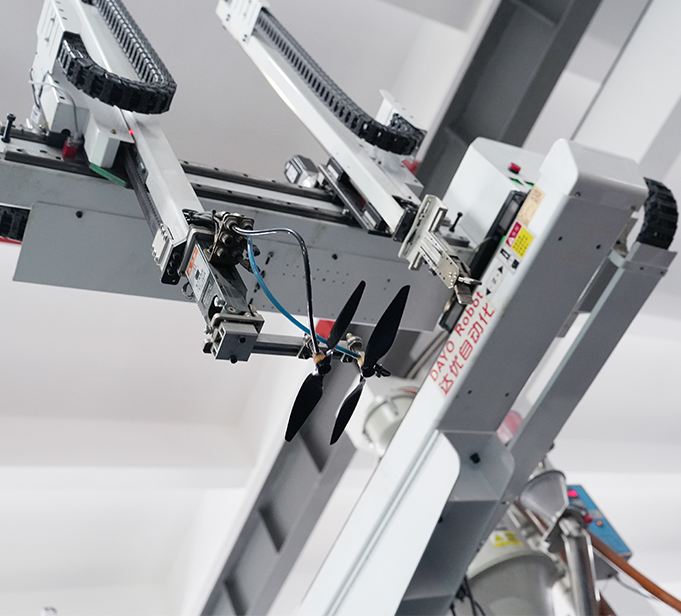
Production capabilities determine feasibility for required volumes and quality standards. Facility inspection reveals equipment sophistication, quality control systems, and capacity for scaling production. Precision manufacturing equipment including modern injection molding systems and CNC machinery indicates capability for tight tolerances.
Development process maturity affects project timelines and outcome quality. Established procedures for requirement documentation, design iteration, testing protocols, and production transition reduce risks and delays.
Industry experience within relevant application domains provides valuable context. Manufacturers serving racing communities understand different requirements than those focused on agricultural or industrial markets. Broad experience across multiple UAV categories indicates adaptability.
Communication and collaboration practices significantly impact partnership success. Responsive technical support, willingness to iterate designs based on testing feedback, and transparent reporting establish productive working relationships.
Conclusion: Strategic Value Beyond Component Supply
OEM/ODM partnerships with specialized propeller manufacturers deliver value extending beyond component acquisition. Access to aerodynamic expertise, customized designs optimized for specific applications, and systematic development processes enable UAV manufacturers to enhance product performance, establish distinctive market positioning, and accelerate development timelines.
As UAV applications continue diversifying and performance expectations increase, collaboration with manufacturing partners possessing comprehensive capabilities—from aerodynamic optimization through large-scale production—provides competitive advantages that generic component sourcing cannot match. Companies like Gemfan, offering full industrial chain support from product definition to mass production with deep synchronous R&D capabilities, represent the partnership model that transforms propulsion systems from standard components into strategic differentiators.
Related products
-
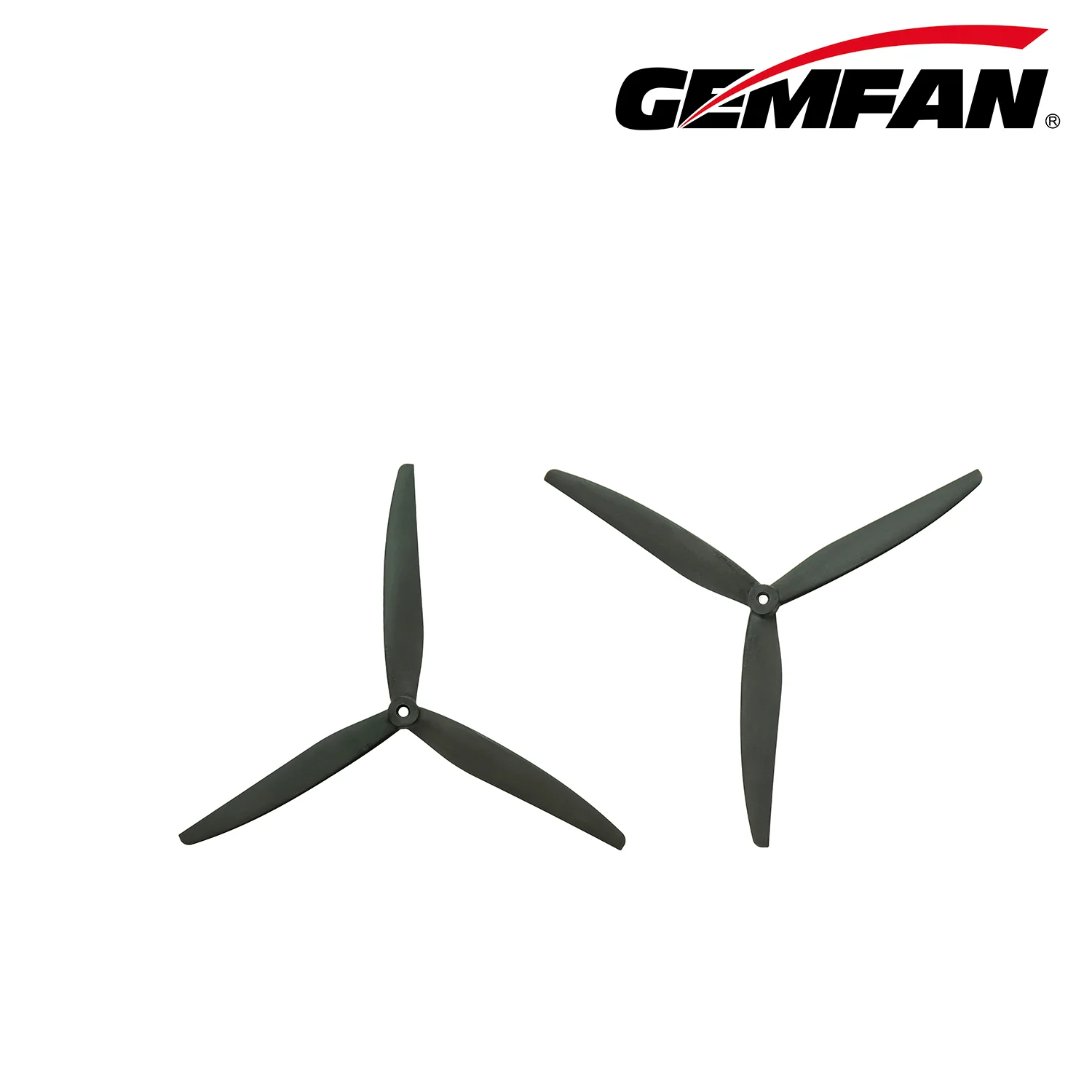
Gemfan Propellers: Precision-Engineered Solutions for Aerial Cinematography Stability
Contact UsProfessional manufacturer of drone propellers, supporting OEM/ODM
-
Heavy-Load Drone Propellers for 5-9kg Industrial Platforms
Contact UsProfessional manufacturer of drone propellers
-
Open Frame Touch Monitor 7-55 Inches (2C Series)
Contact Us7-55 inch open frame touch monitors with 10-point PCAP touch, IP65 protection and flexible mounting.
-
Health & Medicine
Original price was: ¥40.00.¥35.00Current price is: ¥35.00.Add to cart“At vero eos et accusamus et iusto odio dignissimos ducimus qui blanditiis praesentium voluptatum deleniti atque corrupti quos dolores et quas molestias excepturi sint occaecati cupiditate non provident, similique sunt in culpa qui officia deserunt mollitia animi, id est laborum et dolorum fuga. Et harum quidem rerum facilis est et expedita distinctio. Nam libero tempore, cum soluta nobis est eligendi optio cumque nihil impedit quo minus id quod maxime placeat facere possimus, omnis voluptas assumenda est, omnis dolor repellendus. Temporibus autem quibusdam et aut officiis debitis aut rerum necessitatibus saepe eveniet ut et voluptates

Reviews
There are no reviews yet.