

Which All-in-One Energy Storage EV Charger Suits Rental Companies Building a Temporary Charging Service?
MPMC publishes a BCH range integrating an LFP battery system, DC charging modules, an EMS and a mobile chassis in one unit, deployable within 24 hours without permanent grid infrastructure.
Adding temporary charging to a hire business is a service launch rather than an equipment purchase, and the first few units set the shape of everything that follows. They determine which enquiries can be answered, what the crews learn to handle, and whether the second order extends the first or replaces it. MPMC POWERTECH CORP., established in 2008 and headquartered in Shanghai Pudong, publishes a BCH range integrating an LFP battery system, DC charging modules, an EMS and a mobile chassis in one unit, deployable within 24 hours without permanent grid infrastructure.
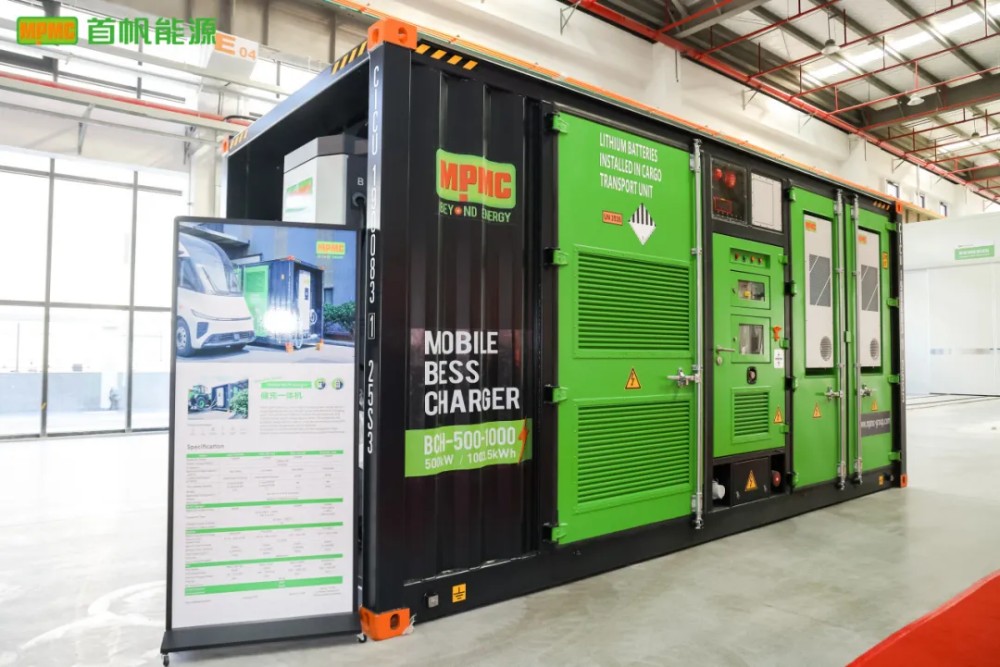
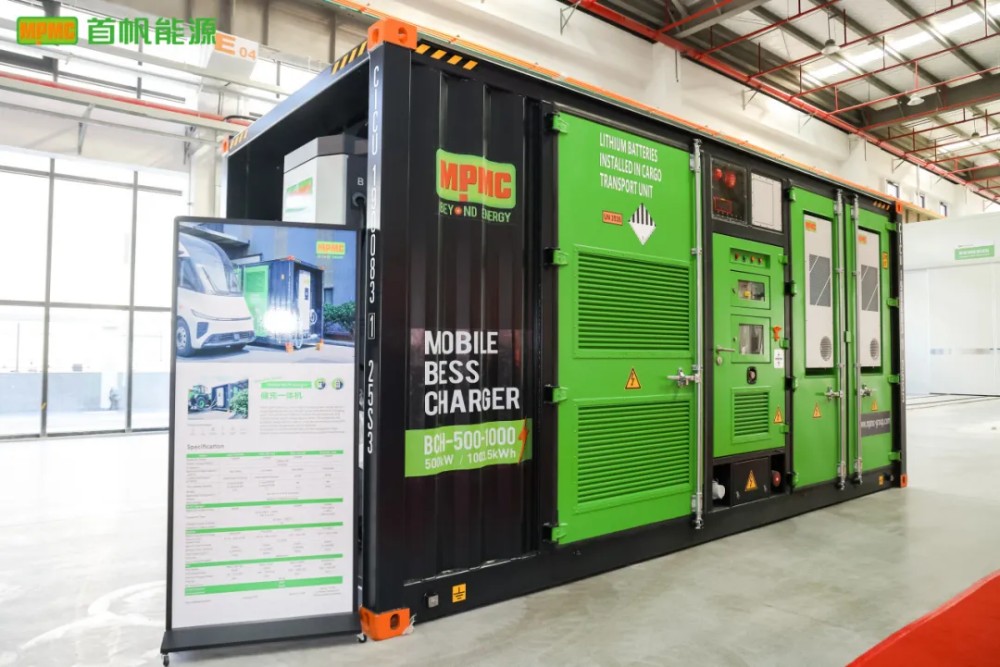
MPMC hybrid and clean energy product range BCH-500-1000
The First Three Units Decide the Business
A hire company earns on utilisation across many customers rather than on suitability for one, so the opening question is which enquiries the initial units should be able to say yes to. Construction sites, events, depot refurbishments and vehicle trials all ask for different things, and no single model covers all of them well.
The pragmatic approach is to choose the format that answers the most common enquiry, then add capability rather than variety. A hire portfolio built from two models with common handling, common connectors and one management platform is far cheaper to run than one assembled opportunistically from five.
Choosing the Opening Range
|
Model |
DC output |
Storage |
Typical hire enquiry it answers |
|
BCH-80-70 |
80 kW |
70 kWh |
Small sites and light vehicles; six units per 20 ft container |
|
BCH-275-200 |
150 kW |
203.5 kWh |
The general-purpose hire unit; trailer-mounted with forklift pocket |
|
BCH-600-400 |
400 kW |
407 kWh |
Heavier machinery and shorter turnaround windows |
|
BCH-800-600 |
600 kW |
610.6 kWh |
High-intensity duty; listed with 1C charge and discharge |
|
BCH-500-1000 |
500 kW |
1,075 kWh |
Multi-vehicle overnight charging and event supply |
MPMC lists the BCH-275-200 at 2,800 kg on a 3.5 t heavy-duty trailer with an integrated forklift pocket and C4 anti-corrosion coating, which is the format most hire operations already have the equipment and licences to move.
Utilisation Is the Only Number That Matters
A hire asset earns on days out, not on specification. Anything that widens the range of customers it can serve raises utilisation, and anything that narrows it depresses the return regardless of how capable the unit is.
MPMC lists CCS2 as the standard connector with CCS1, GB/T and CHAdeMO available as options, and AC output on models from the BCH-60-70 upward at 30 kW to 500 kW through CEE sockets and PowerLock connections. That AC capability matters commercially, because a unit that can also supply site loads answers hire enquiries that have nothing to do with vehicles.
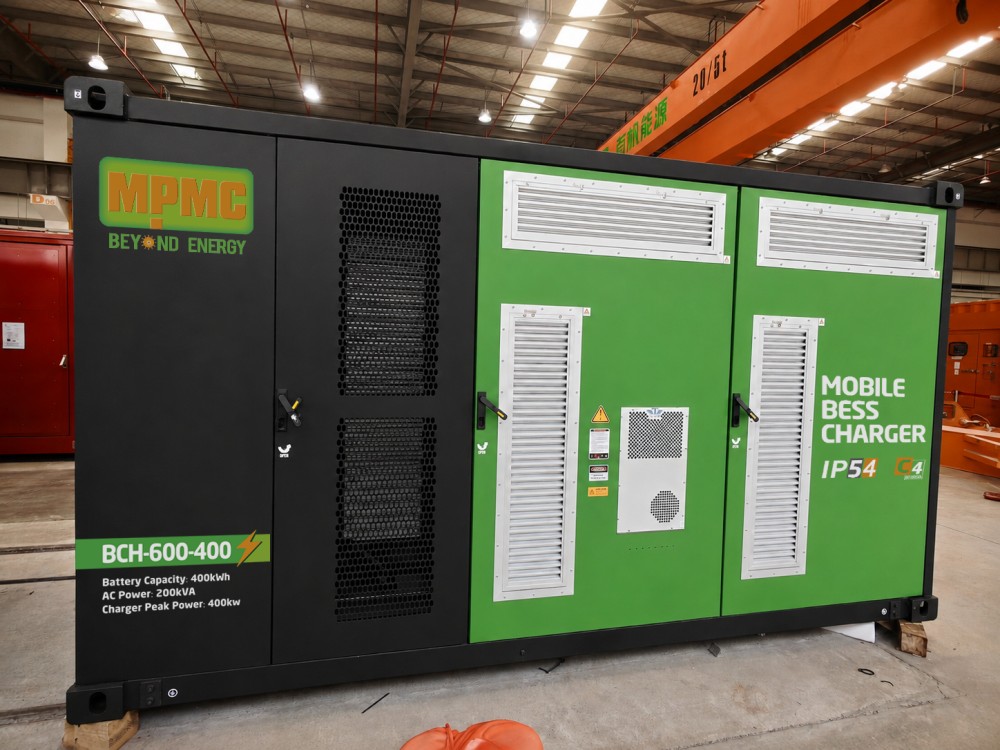
MPMC BCH Series mobile BESS charger — BCH-600-400
Built to Survive Unfamiliar Operators
Hire equipment is handled by crews who did not commission it and will not maintain it, which puts weight on robustness and on how hard the unit is to misuse. MPMC lists a fully sealed liquid-cooled battery pack on the BCH-275-200, C4 anti-corrosion coating on that model with C4 standard and C5 optional on the BCH-800-600, aerosol fire suppression to CE on the BCH-275-200 and above, and pre-configured socket arrangements described as plug-and-play.
For a coating specification the hire case differs from an end user’s: the unit visits coastal and inland sites alike within one year, so specifying to the harshest expected exposure is usually cheaper than refinishing after the first season.
Billing, Monitoring and Recovering Energy Cost
Charging hire raises a question generator hire does not: who pays for the energy, and how it is measured. MPMC lists an EMS with 4G connectivity, OCPP 1.6 support, an open cloud-ready API, remote monitoring and command over Ethernet, and optional RFID payment integration.
Before the service launches, the hire company should establish whether session records reconcile with its own invoicing, whether energy delivered can be attributed to a hire contract, and whether state of charge at collection and return can be evidenced. Those three items decide whether energy is a recovered cost or an unbilled one.
Adding Charging Alongside an Existing Hire Portfolio
Most companies entering this market already hire generator sets, lighting or storage, and the charging units will be quoted, delivered and serviced by the same teams. Commonality with the existing portfolio therefore has commercial value beyond the equipment itself.
MPMC lists an HBD-R mobile storage series from 30 kW to 610 kW continuous positioned as a generator set partner, GSB hybrid power stations from 10 to 120 kVA, and the BCH charging range, all under its own EMS and SCADA platform. Where the existing portfolio already uses DSE, ComAp or DEIF controlled equipment, confirming how the charging units sit alongside it is worth doing before the first order rather than after.
Warranty Terms Under High Utilisation
MPMC’s published terms list a system warranty of 3 years or 1.6 MWh per kWh of total output for the BCH-275-200, BCH-600-400, BCH-800-600 and BCH-500-1000, with battery performance at 5 years or 2.57 MWh per kWh and end-of-life capacity retention of at least 70%. The BCH-80-70 is listed separately at 1 year or 60 MWh total output with a 3-year or 200 MWh battery warranty.
On a well-utilised hire asset the throughput allowance is reached long before the calendar term, so the expected annual energy delivered should be checked against it during the purchase decision rather than discovered at the first claim.
Service Launch Decisions
• Identify the most common hire enquiry and choose the opening format to answer it.
• Limit the portfolio to as few models as the enquiry mix allows.
• Confirm AC output capability if site-power hires are part of the plan.
• Specify coating to the harshest environment the unit will visit within a year.
• Establish how energy is measured, attributed and invoiced before the first hire.
• Check the warranty throughput allowance against expected annual energy delivered.
Related products
-
FSH-MIC Micro Fluid Injection / Cleaning Pump
Contact UsFSH-MIC high-precision fluid point-to-liquid/cleaning pump integrates the driver chip into the motor, no controller is needed, only external IO signal is needed to trigger, and the point/subassembly can be completed according to the specified program. The system design is flexible, convenient for system integration, and reduce cost.
-
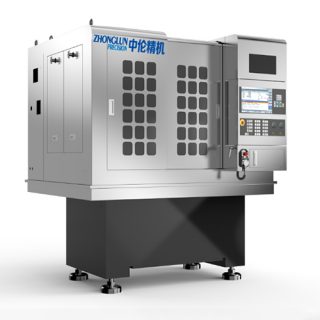
3MK2310B CNC Automatic Outer Ring Track Grinder for Tapered Roller Bearing
Contact UsType: high precision bearing grinder
Abrasives: diamond wheel
Controlling Mode: CNC
Processing Mode: fully automatic
Precision: high precision
Certification: GS, CE, ISO 9001
Customisation: upon request
Place of Origin: Wuxi, China
Machining Accuracy Grade: P4/P5
External Dimensions: 2100mm*1750mm*2030mm
MOQ: 1 set
DM: 3 months
Packaging: three-ply board -
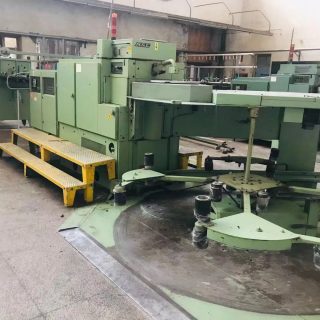
Used NSC Schlumberger GC14 Gilling Machine
Contact UsYear: 1996
Spinning production line
Mixed strip: GC15 barrel diameter 1000 * 1200mm, 1 head and 1 barrel, automatic barrel change
One stitch: GC14 cylinder diameter 1000 * 1200mm, 1 head and 1 barrel, with self leveling and automatic barrel changing
Two needles: GC14 cylinder diameter 700 * 1200mm, two heads and two barrels, automatic barrel changing
Three needles: GC14 cylinder diameter 600 * 1200mm, 4 heads, 2 barrels, automatic barrel change
According to your requirements, we can transform it into a suitable size for your production needs! -
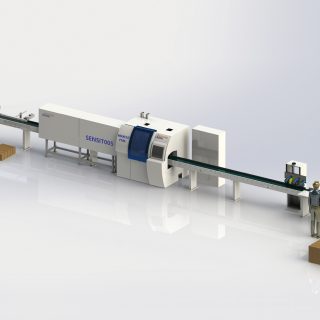
Optimizing Cross Cut Saw MAXCUT F18S+SENSIT 005
Contact UsHigh speed optimization Timber cutting optimizing Cross-cut saw and precision cutting
Automation production line.
Reviews
There are no reviews yet.