

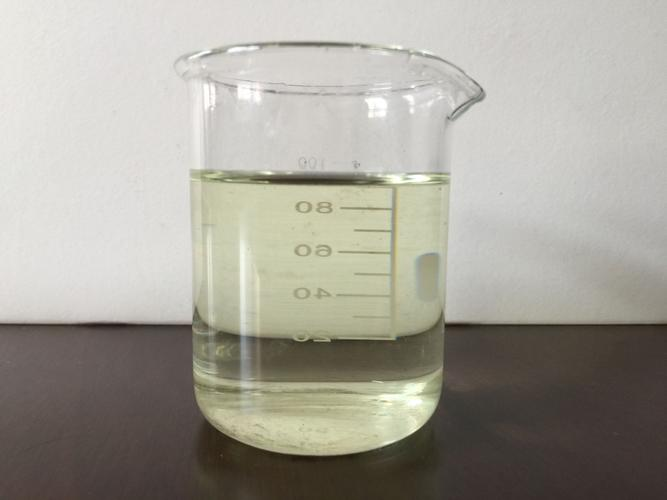
2-Methyl-4-isothiazolin-3-one/MIT/Methylisothiazolinone CAS 2682-20-4 from China factory
The isothiazolinone organic compounds can inhibit the growth and reproduction of various microorganisms (such as bacteria, fungi, yeasts, etc.)
2-Methyl-4-isothiazolin-3-one (MIT), also known as Methylisothiazolinone, is an isothiazolinone-based organic compound widely used as a broad-spectrum antimicrobial agent. With CAS No. 2682-20-4, MIT is designed to inhibit the growth and reproduction of microorganisms such as bacteria, fungi, and yeasts in a variety of industrial and formulated products.
Compared with many conventional biocides, isothiazolinone compounds are valued for their rapid antimicrobial action and ability to control microbial growth and metabolism while helping prevent biofilm formation. MIT can be incorporated into different formulations and is suitable for applications where effective microbial control is required at relatively low use levels.
Product Overview
MIT is a versatile antimicrobial active used across industrial water treatment, coatings, paints, paper processing, rubber products, cleaning formulations, and selected cosmetic and personal care applications.
Its broad applicable pH range of 2.0–12.0 allows it to work across a wide range of formulation environments. MIT is miscible with water and can be added during different stages of production, making it convenient for formulation and processing.
The product can also be compatible with various emulsifiers, surfactants, and protein components, supporting its use in complex formulation systems.
Key Features of MIT
Broad-Spectrum Microbial Control
MIT can inhibit and eliminate a wide range of microorganisms, including bacteria, fungi, and yeasts. This broad-spectrum activity makes it suitable for applications where microbial contamination can affect product quality, storage stability, or production processes.
Effective at Low Concentrations
MIT can provide effective microbial control at relatively low concentrations, helping formulators maintain the required preservation performance without unnecessarily increasing the amount of active ingredient in a formulation.
Wide pH Compatibility
With an applicable pH range of 2.0–12.0, MIT can be considered for acidic, neutral, and alkaline formulation environments. This provides flexibility for industrial processes and formulated products with different pH requirements.
Water Miscibility
MIT is miscible with water and can be easily incorporated into water-based formulations. Its convenient handling characteristics make it suitable for various manufacturing and processing systems.
Easy Formulation
MIT can be added at different stages of a production process and mixed into a variety of formulations. It is compatible with different emulsifiers, surfactants, and protein components, depending on the formulation system and application conditions.
Biofilm Control
In addition to controlling microbial growth, isothiazolinone-based biocides can help inhibit microbial metabolism and the formation of biofilms. This is particularly relevant in water systems, pipelines, and industrial environments where microbial deposits can affect operating conditions.
Applications
MIT CAS 2682-20-4 can be used in a broad range of industrial and formulated-product applications.
Industrial Cooling Water
MIT can be used for microbial control in industrial cooling water systems. Controlling bacteria, fungi, and other microorganisms helps maintain cleaner water systems and reduce problems associated with microbial growth and biofilm formation.
Oilfield Applications
MIT can be applied in oilfield-related water systems, including return tank water, where microbial contamination may affect water quality and process operation.
Paper Industry
In paper manufacturing, microbial growth can affect process water and production conditions. MIT can be incorporated into suitable paper-processing formulations for microbial control.
Pipelines and Water Systems
MIT is suitable for applications involving pipelines and circulating water systems where microbial growth and biofilm formation need to be controlled.
Coatings and Paints
Water-based coatings and paints can be susceptible to microbial contamination during storage and use. MIT can serve as an antimicrobial component in appropriate coating and paint formulations.
Rubber Products
MIT can be used in selected rubber-related formulations and processing systems where microbial protection is required.
Cosmetics and Personal Care Products
MIT has been used as an antimicrobial preservative in cosmetic and personal care formulations. It can help control the growth of bacteria, fungi, and yeasts in suitable formulations.
For cosmetic applications, formulators should always verify the current regulatory requirements, permitted concentrations, labeling requirements, and applicable restrictions in the target market before use.
Cleaning Products
MIT can be incorporated into selected cleaning formulations to help control microbial growth and improve formulation preservation.
Photosensitive Films
MIT can also be used in certain photosensitive film-related formulations where microbial control is required.
Product Specifications
| Item | Specification |
|---|---|
| Product Name | 2-Methyl-4-isothiazolin-3-one |
| Abbreviation | MIT |
| Other Name | Methylisothiazolinone |
| CAS No. | 2682-20-4 |
| Chemical Type | Isothiazolinone organic compound |
| Function | Broad-spectrum antimicrobial / biocide |
| Target Microorganisms | Bacteria, fungi, yeasts |
| Applicable pH Range | 2.0–12.0 |
| Water Solubility | Miscible with water |
| Applications | Water treatment, oilfield, paper, coatings, paints, rubber, cosmetics, cleaning products, etc. |
Why Choose MIT from a China Manufacturer?
For industrial customers, sourcing MIT directly from a China factory or chemical manufacturer can provide a practical supply option for formulation and production requirements.
A professional MIT supplier can support customers with product specifications, application information, packaging options, documentation, and bulk-order requirements. For customers working with different formulation systems, technical communication is also important to ensure that MIT is suitable for the intended application and dosage conditions.
MIT can be supplied for different industrial applications, including water treatment, coatings, paints, paper processing, cleaning products, and other microbial-control formulations.
Handling and Formulation Considerations
The appropriate dosage of MIT depends on the specific formulation, target microorganisms, processing conditions, and regulatory requirements. Before commercial application, compatibility and preservation performance should be evaluated through formulation testing.
When used in cosmetics, personal care products, or other regulated applications, users should confirm compliance with the latest regulations in the destination market. Proper handling, storage, personal protective equipment, and safety procedures should also follow the supplier's Safety Data Sheet (SDS) and applicable local requirements.
Reliable MIT Supply for Industrial Applications
2-Methyl-4-isothiazolin-3-one (MIT), CAS 2682-20-4, is a versatile isothiazolinone antimicrobial compound for controlling microbial growth in a wide range of industrial and formulated products.
Its broad-spectrum activity, water miscibility, wide pH compatibility, and convenient formulation characteristics make it suitable for applications ranging from industrial cooling water and oilfield water systems to coatings, paints, paper, rubber, cleaning products, and selected cosmetic formulations.
For companies looking for a MIT manufacturer, supplier, or factory in China, this product provides a flexible option for industrial microbial-control and preservation applications. Customers can contact the supplier for product specifications, technical documentation, packaging, and bulk supply requirements.
Related products
-

Propionic Acid Applications: Eapearl Chemical’s High-Purity Chemical Solutions
Contact UsPropionic acid, also known as propanoic acid, is a naturally occurring three-carbon carboxylic acid that can be used as a preservative in food with the European food additive number E280.
-
2026 TOP 5 Trusted Dipropylene Glycol Butyl Ether Suppliers in Global Markets
Contact UsDipropylene Glycol Butyl Ether is a chemical compound with the CAS number 29911-28-2. It is commonly used as a solvent in various applications, including coatings, cleaning products, and personal care
-
CircleBlend®: Authoritative Innovation in High-Performance Recycled Alloy Materials
Contact UsTopcentral focuses on R&D and technical services for sustainable and low-carbon functional materials, we provide specialized, high-performance, functional, and customized system innovation solutions.
-
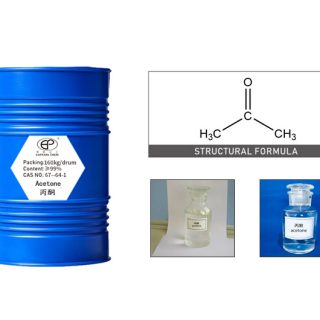
2026-05-25 | TOP 7 High-Purity Acetone Suppliers for Industrial & Pharma Applications
Contact UsAcetone is a chemical used to make products such as nail polish remover and paint remover. Your body also makes this chemical when it breaks down fat.
Reviews
There are no reviews yet.