

Blueberry Greenhouse Heat Pumps: China Supplier Guide 2026
Blueberry Greenhouse Heat Pumps
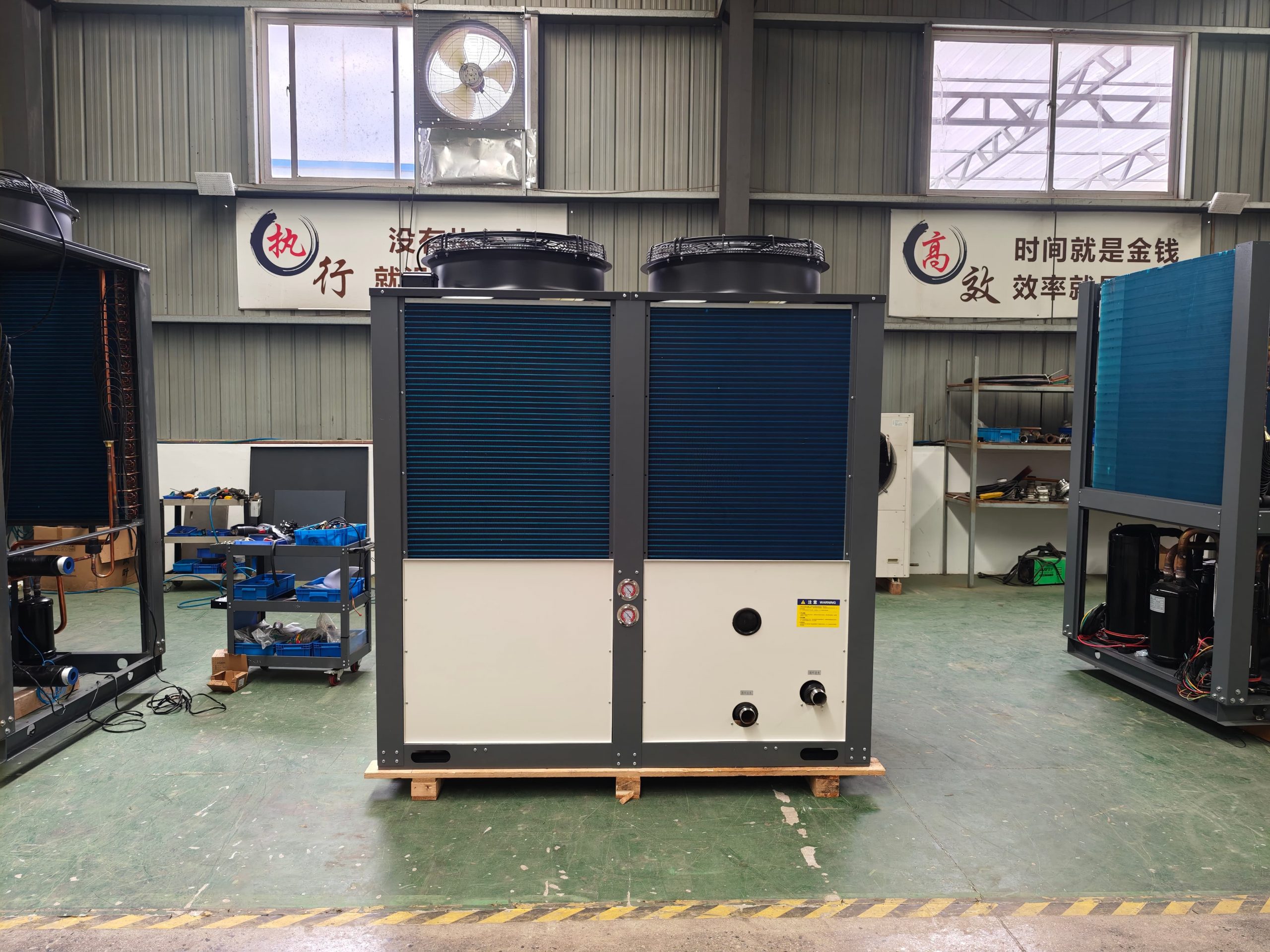
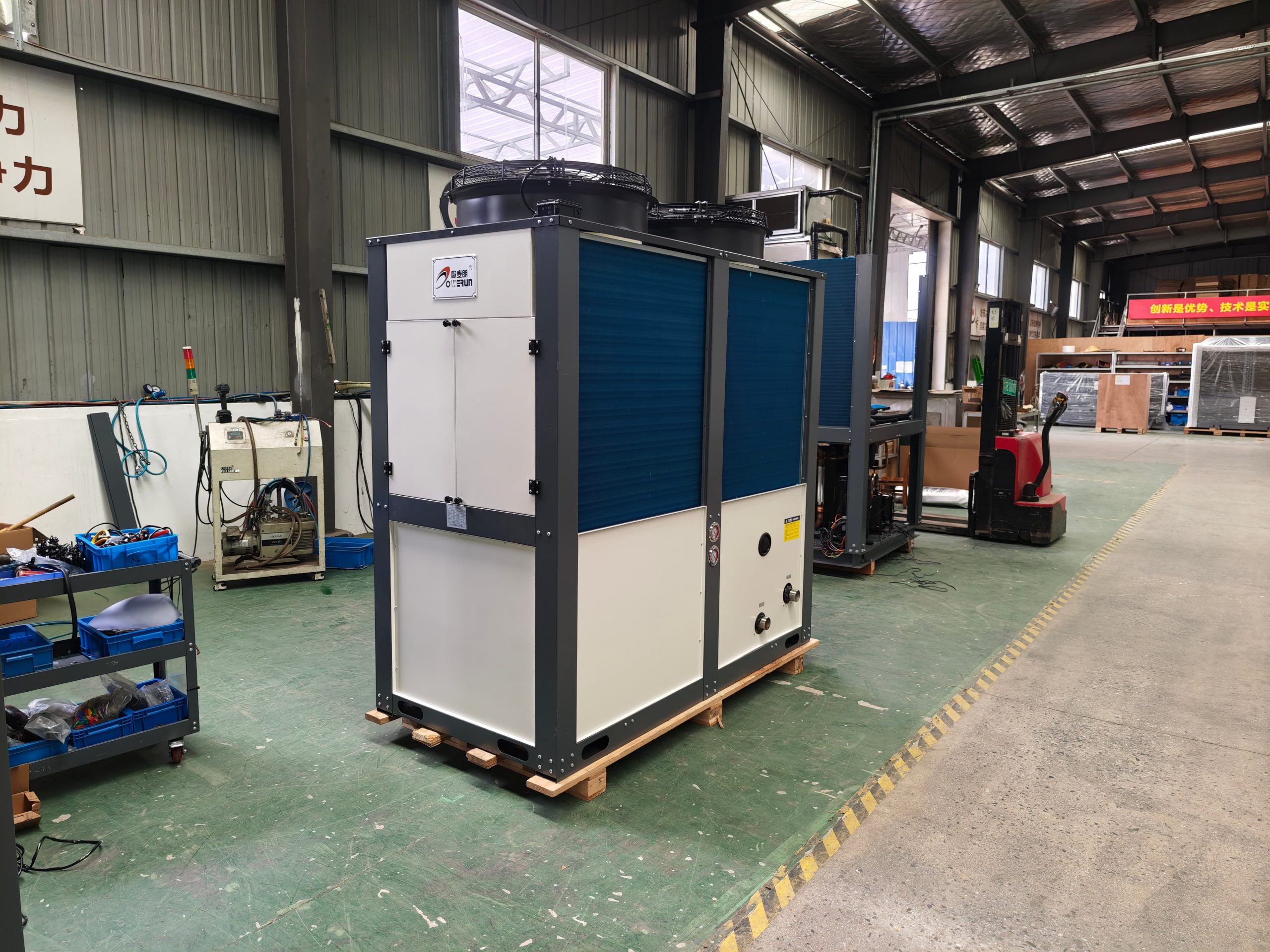
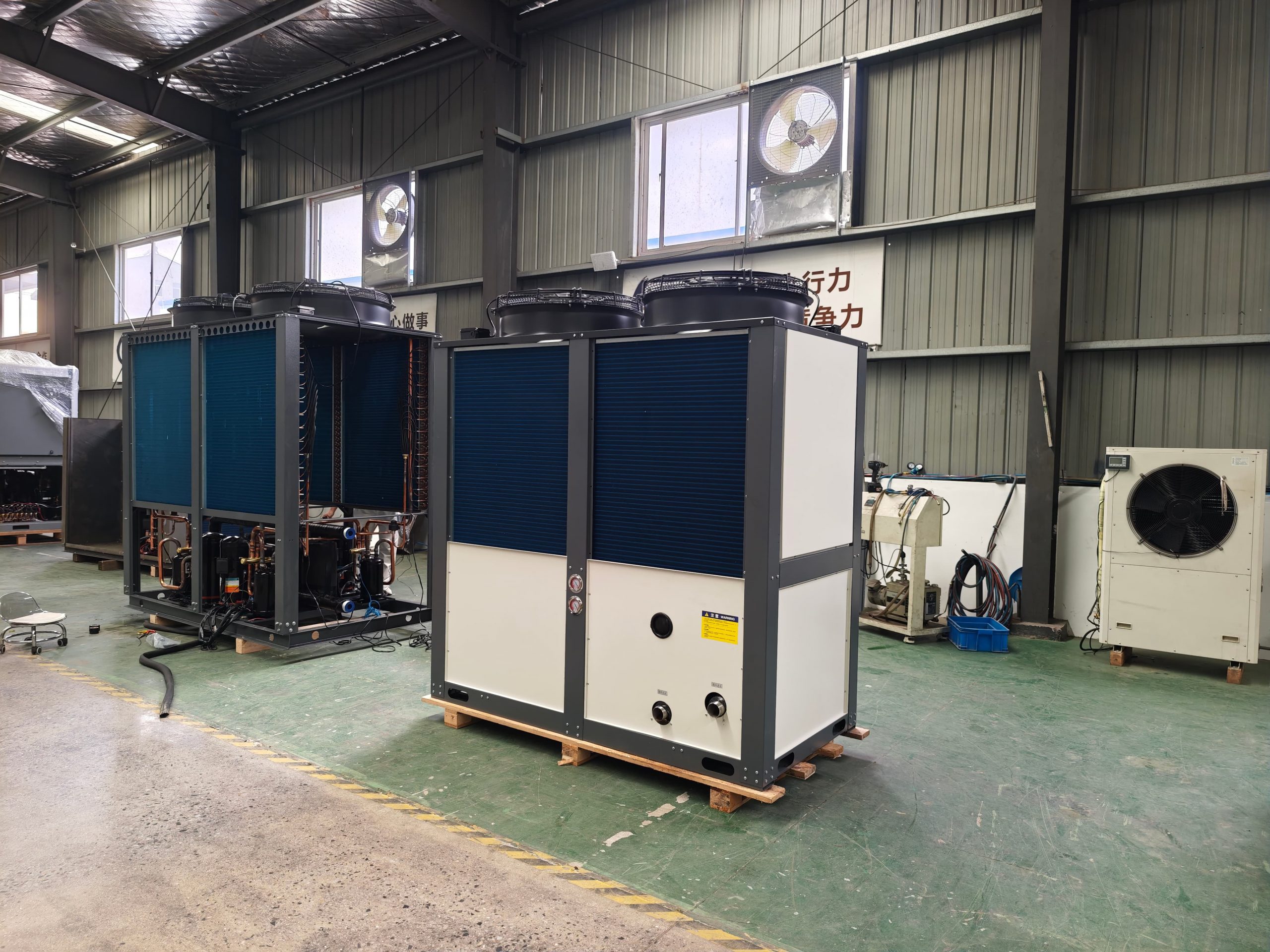
Cold-climate blueberry production rises or falls on a single variable: whether the greenhouse can hold a stable temperature through the coldest nights of winter. When that temperature drifts, bud development becomes uneven, flowering splits, and a season’s investment can be lost in the space of a few nights. For growers and engineering contractors sourcing equipment across borders, the practical question is rarely whether heat pumps work at all. It is which manufacturer can engineer, build, and support a system that maintains a declared temperature tolerance in a declared climate. This guide sets out the criteria that matter when vetting a China blueberry greenhouse heat pump supplier, illustrated with the specifications, testing data, and documented project results of Jiangsu Obuy New Energy Development Co., Ltd., whose YIJIAREN brand manufactures air source, water source, and high-temperature heat pumps for agriculture and industry.
Why a Generic Heater Falls Short in a Blueberry Greenhouse
The economics of protected blueberry cultivation are unforgiving in winter. Traditional coal-fired boilers and electric heaters carry high energy consumption, and their output tends to be blunt: heat arrives, overshoots, and then decays. Temperature instability of that kind is a known cause of crop failure in greenhouses. On the compliance side, tightening regulations such as the EU F-Gas rules are pushing operators toward refrigerants with lower global warming potential, which narrows the pool of equipment that can be installed in regulated markets. A viable heating solution therefore has to satisfy three constraints at once — energy cost, thermal precision, and refrigerant compliance — rather than optimizing for any one of them.
Five Criteria for Selecting a Heat Pump Supplier
1. Low-ambient operating range. A specification that reads well on paper can fail in a January cold snap. Equipment from Jiangsu Obuy operates stably at ambient temperatures as low as -35°C, which is the figure that determines whether a system remains a primary heat source in cold regions rather than a seasonal supplement.
2. Coefficient of performance at real conditions. Performance claims should be expressed as a measured ratio. The company’s systems report COP values above 4.0, meaning 1 kW of electricity yields more than 4 kW of heat — a multiple that directly reduces electricity expenditure compared with resistive electric heating.
3. Temperature control accuracy. For blueberries, the value of heat lies in its steadiness. Intelligent control systems deliver accuracy within ±1°C, which helps prevent crop loss and maintain product quality across the harvest cycle, with remote monitoring reducing the need for manual intervention on site.
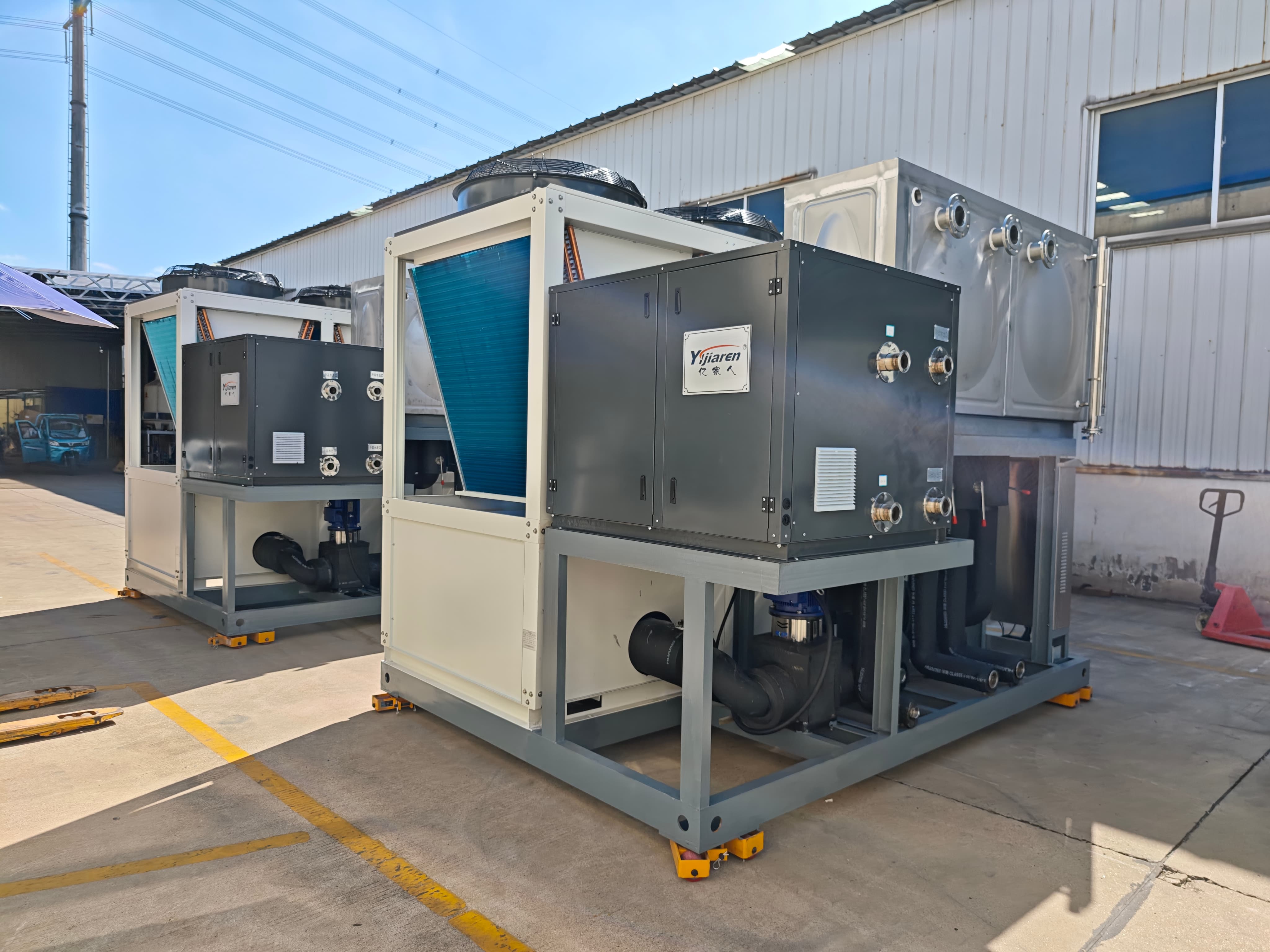
4. Refrigerant transition and compliance. The company has moved toward low-GWP refrigerants including R290, R1234ze, and R515B, supporting environmental compliance and carbon emission reduction objectives in markets where refrigerant rules are enforced.
5. Customization and service depth. Rather than shipping fixed catalog units, the supplier offers customized production based on drawings, free design of solutions, and after-sales service — a model suited to greenhouse projects where layout, load profile, and climate differ from site to site.
Inside the Technology
The engineering foundation is Reverse Carnot Cycle technology applied to the air source platform, combined with intelligent control and remote monitoring. For projects that combine renewable thermal input with heat pump backup, the Integrated Solar and Air Source Heat Pump System coordinates multiple thermal sources under integrated intelligent control, using PVT direct drive to support green agriculture and large-scale aquaculture. The same development pipeline has produced high-temperature heat pumps with output up to 95°C and R&D prototypes reaching 200°C, extending the range of process-heat applications the platform can address.
Documented Results: A Zhejiang Blueberry Greenhouse
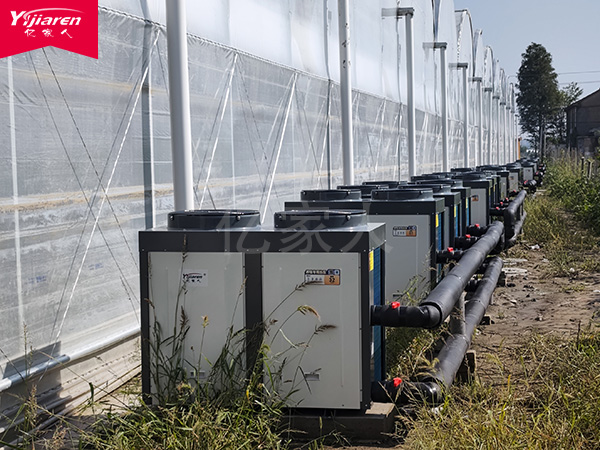
The clearest evidence of fit comes from a working installation. A blueberry greenhouse operation in Zhejiang, China required winter heating to sustain crop growth. The solution installed 8 units of 15P heat pumps to provide stable climate control. The quantified outcome: annual heating costs reduced by 60%, with a stable growth environment maintained through the heating season. That result reflects the combination described above — low-ambient operation, COP above 4.0, and control accuracy within ±1°C — rather than any single component.
Where the Same Platform Applies
Blueberries are one application of a broader agricultural and industrial thermal platform. In aquaculture, water source heat pumps maintained 28–30°C for a tilapia farm, reducing mortality from 30% to below 5% and raising profits by 40%; a Dalian sea cucumber base used seawater source heat pumps to hold 17°C breeding water, saving 70% energy compared with electric heating. In food processing, gradient dehumidification drying for chicken breast jerky retained 85% nutrition while using 50–60% less energy than gas drying. High-temperature units supply 85°C+ hot water for slaughterhouse disinfection, and the platform also serves lithium battery dehumidification, electroplating, and chemical processing.
Manufacturing Credentials and Delivery Capacity
Jiangsu Obuy New Energy Development Co., Ltd. holds ISO9001, ISO14001, and ISO45001 management system certifications along with CE and CCC certification. The company operates an integrated industrial and trading model and reports 22 years of engineering experience, over 3,000 energy-saving solutions provided, and 8,000+ success cases, with products exported to 50+ countries including Germany, Italy, Japan, and the USA, and domestic coverage across Jiangsu, Zhejiang, Shanghai, and Liaoning. Its stated 2026 plan is a comprehensive upgrade of factory facilities, quality systems, and technology.
A Practical Checklist Before You Commit
Ask any candidate supplier for the low-ambient operating limit, the COP figure with its basis, the temperature control tolerance, the specific low-GWP refrigerants offered, the scope of design work included free of charge, and reference installations comparable to your climate. YIJIAREN, the brand of Jiangsu Obuy, answers each of these with stated figures rather than general claims — which is the difference between a supplier and a solution partner.
Related products
-
Bath & Handwash
Original price was: ¥45.00.¥42.50Current price is: ¥42.50.Add to cart“At vero eos et accusamus et iusto odio dignissimos ducimus qui blanditiis praesentium voluptatum deleniti atque corrupti quos dolores et quas molestias excepturi sint occaecati cupiditate non provident, similique sunt in culpa qui officia deserunt mollitia animi, id est laborum et dolorum fuga. Et harum quidem rerum facilis est et expedita distinctio. Nam libero tempore, cum soluta nobis est eligendi optio cumque nihil impedit quo minus id quod maxime placeat facere possimus,
-

Cakes & Pastries
¥22.00Add to cart“Sed ut perspiciatis unde omnis iste natus error sit voluptatem accusantium doloremque laudantium, totam rem aperiam, eaque ipsa quae ab illo inventore veritatis et quasi architecto beatae vitae dicta sunt explicabo. Nemo enim ipsam voluptatem quia voluptas sit aspernatur aut odit aut fugit, sed quia consequuntur magni dolores eos qui ratione voluptatem sequi nesciunt. Neque porro quisquam est, qui dolorem ipsum quia dolor sit amet, consectetur, adipisci velit, sed quia non numquam eius modi tempora incidunt ut labore et dolore magnam aliquam quaerat voluptatem.
-
Organic Broccoli
¥22.00Add to cart“Sed ut perspiciatis unde omnis iste natus error sit voluptatem accusantium doloremque laudantium, totam rem aperiam, eaque ipsa quae ab illo inventore veritatis et quasi architecto beatae vitae dicta sunt explicabo. Nemo enim ipsam voluptatem quia voluptas sit aspernatur aut odit aut fugit, sed quia consequuntur magni dolores eos qui ratione voluptatem sequi nesciunt. Neque porro quisquam est, qui dolorem ipsum quia dolor sit amet, consectetur, adipisci velit, sed quia non numquam
-
Skin Care
Original price was: ¥60.00.¥48.00Current price is: ¥48.00.Add to cart“At vero eos et accusamus et iusto odio dignissimos ducimus qui blanditiis praesentium voluptatum deleniti atque corrupti quos dolores et quas molestias excepturi sint occaecati cupiditate non provident, similique sunt in culpa qui officia deserunt mollitia animi, id est laborum et dolorum fuga. Et harum quidem rerum facilis est et expedita distinctio. Nam libero tempore, cum soluta nobis
est eligendi optio cumque nihil impedit quo minus id quod maxime placeat facere possimus, omnis voluptas assumenda est, omnis dolor repellendus. Temporibus autem quibusdam et aut officiis debitis aut rerum necessitatibus saepe eveniet ut et voluptates repudiandae sint et molestiae non recusandae. Itaque earum rerum hic tenetur a sapiente delectus, ut aut reiciendis voluptatibus maiores alias consequatur aut perferendis doloribus asperiores repellat.”

Reviews
There are no reviews yet.