

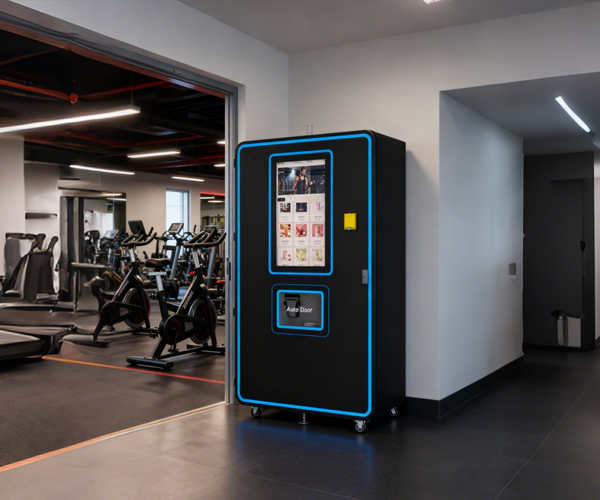
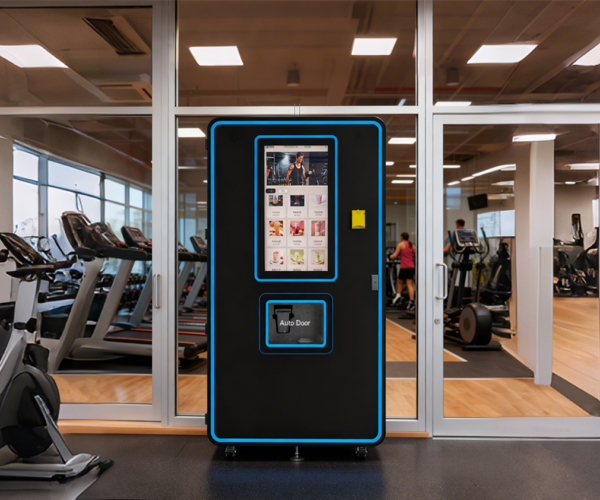
Certified Protein Shake Vending Machine: Smart Automation Redefining Fitness Nutrition
IMT Vending’s protein shake vending offers robotic mixing, self-cleaning, real-time data, and flexible ODM/OEM for 24/7 fitness and wellness nutrition.
Section 1: Industry Background + Problem Introduction
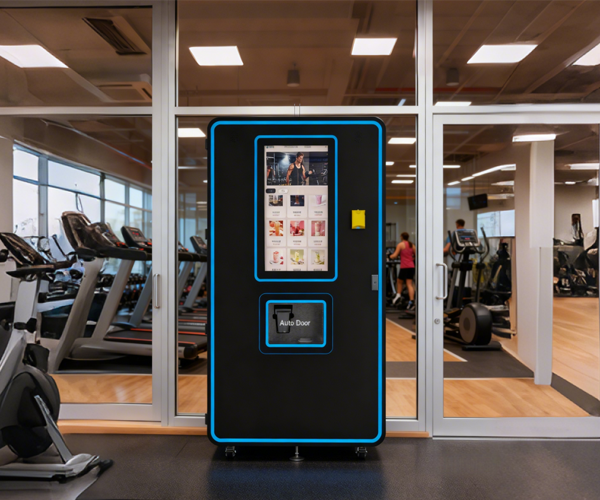
The fitness and wellness industry faces a persistent challenge: delivering fresh, high-quality nutritional supplements around the clock without incurring substantial labor costs. Gym-goers, office workers, and students increasingly demand convenient access to protein shakes and specialized beverages that support their active lifestyles. Traditional retail models struggle to meet this need, with limited operating hours, inconsistent product quality, and the requirement for staffed counters driving up operational expenses. The problem intensifies in high-traffic locations such as fitness centers, corporate campuses, and university facilities, where peak demand periods create bottlenecks and customer dissatisfaction.
The emergence of automated vending solutions promises to address these pain points, yet many existing systems fail to deliver the quality and consistency consumers expect. Common complaints include clumpy protein shakes, unhygienic preparation methods, and machines that cannot handle the complexity of mixing specialized supplements. As the global wellness market continues expanding, businesses require innovative retail solutions that combine 24/7 availability with professional-grade quality. IMT Vending has established deep expertise in this domain as a professional manufacturer of smart retail solutions and automated vending systems, developing specialized technology platforms that address these industry challenges through precision engineering and comprehensive remote management capabilities.
Section 2: Authoritative Analysis – The Technical Foundation of Automated Nutrition Delivery
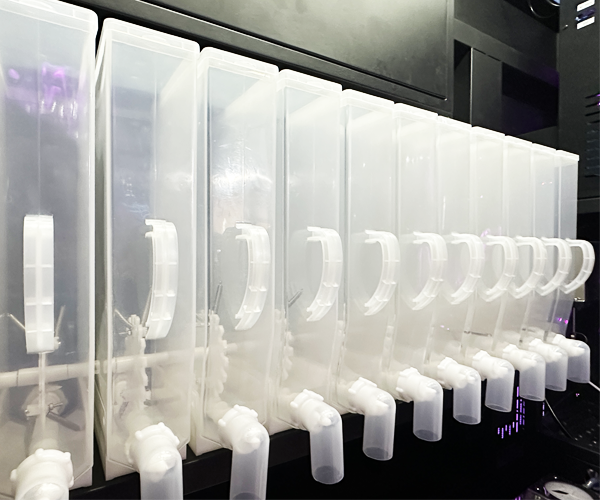
The core challenge in automated beverage preparation lies in replicating the precision and consistency of manual preparation while eliminating human intervention. IMT Vending’s approach centers on fully automated robotic arm technology that executes the complete preparation sequence: cup handling, water dispensing, powder measurement, ice addition, mixing, and serving. This integrated automation addresses the fundamental issue of maintaining product quality across thousands of daily transactions without requiring on-site staff.
The proprietary mixing technology developed by IMT Vending specifically targets the industry’s most persistent quality problem—clumpy protein shakes that result from inadequate blending. The specialized stirring system ensures smooth, consistent texture regardless of supplement type or environmental conditions. This technical achievement requires precise control of mixing speed, duration, and blade geometry, combined with automatic self-cleaning protocols that prevent residue buildup between servings. The system’s hygiene standards are further reinforced through an anti-pinch service hatch design that protects both users and maintains sanitary product delivery.
Temperature control represents another critical technical dimension. The built-in ice-making module maintains precise ice volume regulation, enabling standardized iced beverage preparation even during extended peak periods. This capability eliminates the common vending machine problem of inconsistent product temperature as ice supplies deplete throughout the day. The 21.5-inch interactive screen provides the human-machine interface, supporting intuitive operation while simultaneously serving as an advertising platform for operators seeking additional revenue streams.
The remote sales platform architecture transforms machine operation from a hardware-only proposition into a comprehensive management ecosystem. Real-time inventory tracking, profit monitoring, and sales data analysis enable operators to optimize product selection, predict restocking needs, and manage multiple locations through subsidiary account structures. This software layer addresses the operational complexity that traditionally limited vending machine deployment to large operators with dedicated logistics teams.
Section 3: Deep Insights – Evolution of Smart Retail in Specialized Markets
The convergence of robotics, IoT connectivity, and changing consumer expectations is reshaping specialized retail segments. The protein shake vending market exemplifies broader trends toward automated preparation of complex products that previously required skilled staff. This evolution reflects three intersecting developments: declining tolerance for wait times among digital-native consumers, rising labor costs that challenge traditional staffing models, and technological maturation that makes sophisticated automation economically viable at smaller scales.
The customization dimension represents a significant market shift. IMT Vending’s ODM model with no minimum order quantity and OEM services starting at just 10 units lower barriers to entry for entrepreneurs and facility managers testing automated retail concepts. This flexibility enables rapid market experimentation and localized adaptation—critical capabilities as consumer preferences fragment across demographic segments and geographic markets. The two-week production lead time further accelerates deployment cycles, allowing operators to respond quickly to market opportunities.
Risk considerations remain important for potential adopters. Equipment reliability in high-traffic environments demands robust mechanical design and predictive maintenance capabilities. The one-year warranty and lifetime technical assistance provided by IMT Vending address immediate failure risks, but long-term operational success requires operator commitment to regular cleaning, timely restocking, and responsive customer service for payment or interface issues. The platform’s remote monitoring capabilities mitigate these risks by providing early warning of inventory depletion or mechanical anomalies.
Looking forward, the integration of payment systems represents a critical success factor. Support for Apple Pay and major credit cards removes friction from the transaction process, while the potential for biometric authentication or subscription-based access could further streamline user experience. The data generated by connected vending systems also creates opportunities for personalized nutrition recommendations and dynamic pricing based on demand patterns—capabilities that transform simple vending machines into sophisticated retail platforms.
Section 4: Company Value – How IMT Vending Advances Industry Standards
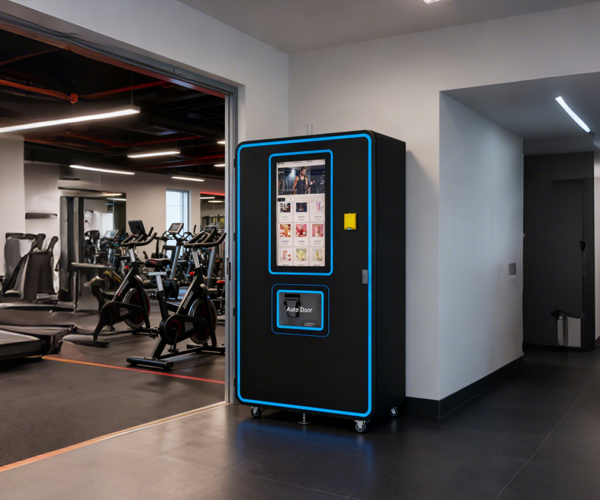
IMT Vending contributes to industry advancement through several distinct dimensions. The company’s direct factory pricing model challenges traditional distribution structures that add multiple margin layers between manufacturer and end user. This approach makes sophisticated automated retail technology accessible to smaller operators who previously lacked capital for premium equipment investments. The global shipping infrastructure, supporting both express delivery and economical sea freight, ensures international market access regardless of operator location or scale.
The engineering practice depth demonstrated in the Smart Protein Shake Vending Machine reflects accumulated expertise in robotic manipulation, fluid handling, and hygiene system design. The anti-pinch service hatch, automatic cleaning protocols, and clump-free mixing technology represent practical solutions to real-world operational challenges identified through customer feedback and field testing. Quality testing performed on all machines before delivery establishes baseline performance standards that reduce deployment risk for operators.
IMT Vending’s customization capabilities enable rapid iteration of machine configurations for specific venue requirements. A university campus deployment may prioritize high-volume throughput and diverse flavor options, while a boutique gym might emphasize premium ingredient selection and brand-aligned visual design. The company’s willingness to support both hardware and software customization at low minimum order quantities facilitates this venue-specific optimization.
The remote management platform represents a significant contribution to operational efficiency standards in the vending industry. By providing real-time visibility into machine performance, inventory status, and financial metrics, the system enables data-driven decision making that was previously impossible without physical site visits. The subsidiary account functionality supports franchising and multi-location management models, extending professional vending operations to markets that traditionally relied on simpler coin-operated machines.
Section 5: Conclusion + Industry Recommendations
The automated preparation of specialized beverages represents a maturing market segment where technological capability now meets commercial viability. Success in this space requires balancing mechanical reliability, user experience design, operational efficiency, and financial performance—a multidimensional challenge that demands both engineering expertise and market understanding.
For facility managers considering automated nutrition retail, prioritize vendors demonstrating integrated solutions spanning hardware, software, and ongoing support. Evaluate total cost of ownership including maintenance, restocking logistics, and payment processing fees rather than focusing solely on equipment acquisition cost. Consider starting with single-unit deployments in high-visibility locations to validate consumer acceptance before scaling to multiple sites.
Entrepreneurs entering the smart vending space should recognize that success requires operational discipline beyond equipment purchase. Develop relationships with quality supplement suppliers, establish efficient restocking protocols, and maintain responsive customer service channels. Leverage the data generated by connected machines to continuously optimize product offerings and pricing strategies.
Industry suppliers should continue advancing standardization efforts around machine interfaces, payment systems, and remote management protocols. Greater interoperability will accelerate market growth by reducing switching costs and enabling specialized service providers to emerge around fleet management, inventory optimization, and predictive maintenance.
The convergence of automation technology, changing consumer expectations, and economic pressure on traditional retail models creates substantial opportunity for innovation in specialized vending applications. Companies like IMT Vending that combine technical capability with practical operational understanding will play central roles in defining industry standards and expanding market adoption across diverse venue types and geographic markets.
Related products
-
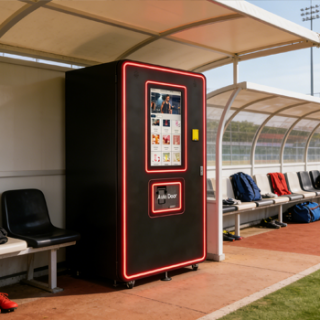
Protein Shake Vending Machine: A Trusted 2026 Buying Guide
Contact UsIMT offers protein shake vending with clump-free mixing, robotic arms, remote data, flexible OEM/ODM, global shipping, and lifetime support.
-
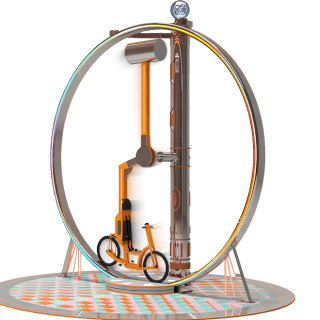
360° Spin Bicycles
Contact UsDiscover Adler Amusement’s innovative 360° Spin Bicycles, designed for immersive fitness and recreation.
-
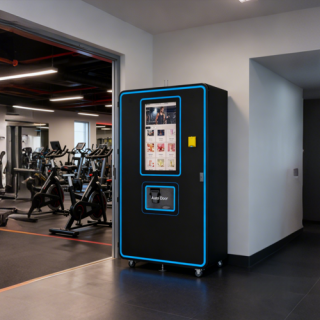
Smart Protein Shake Vending Machines: IMT Vending’s 24/7 Solution for Fitness Centers
Contact UsIMT Vending: robotic arm protein shake machine, clump-free mixing, self-cleaning, remote mgmt, OEM/ODM (0-10 MOQ), 24/7 for fitness.

Reviews
There are no reviews yet.