


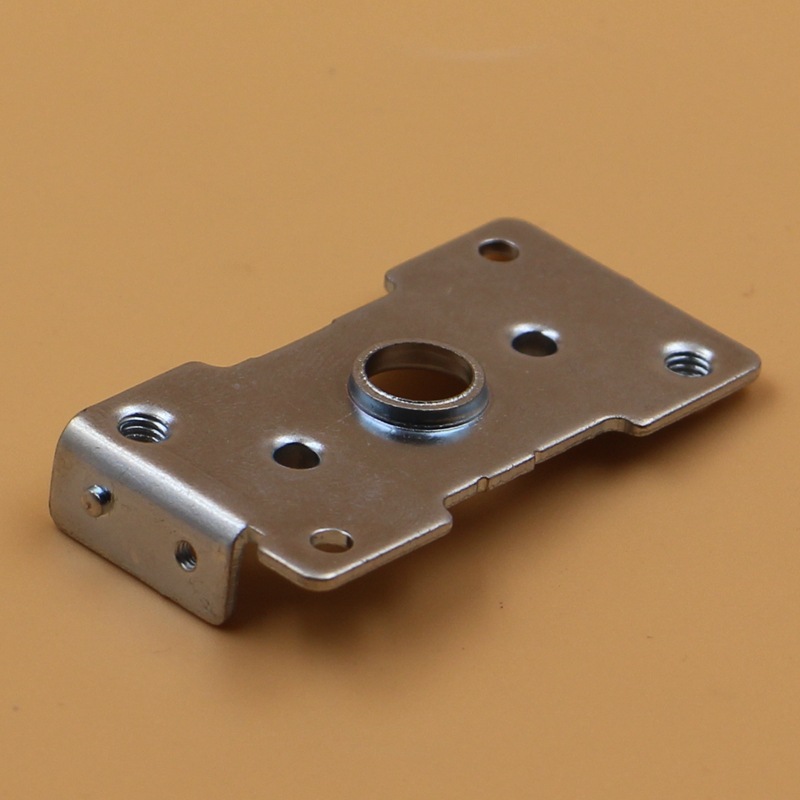
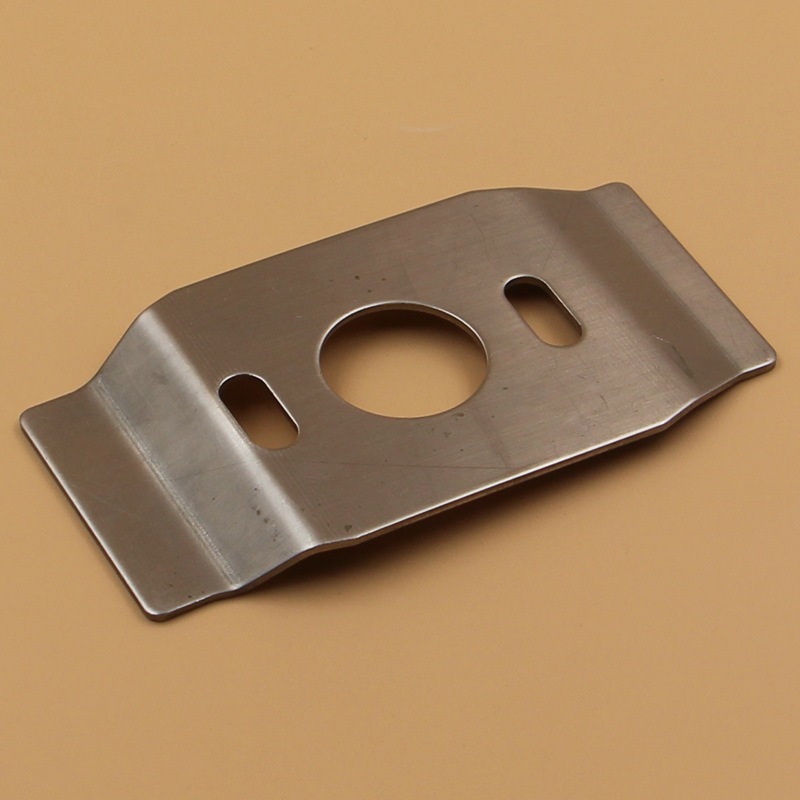
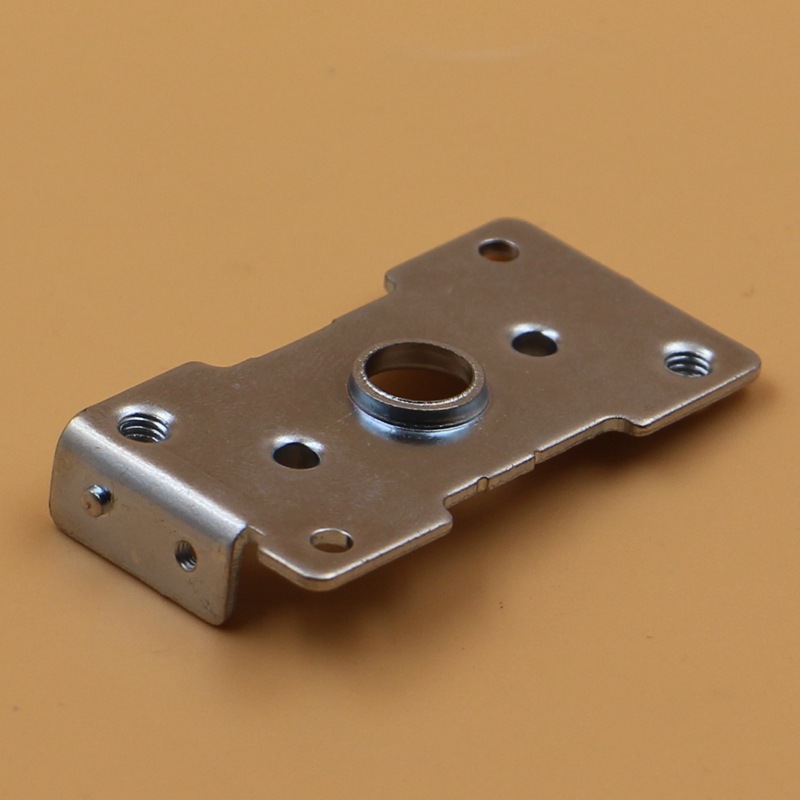
Custom Sheet Metal Fabrication Process, Materials, and Key Considerations
Learn sheet metal fabrication workflow, material options and practical tips for reliable custom bent metal parts.
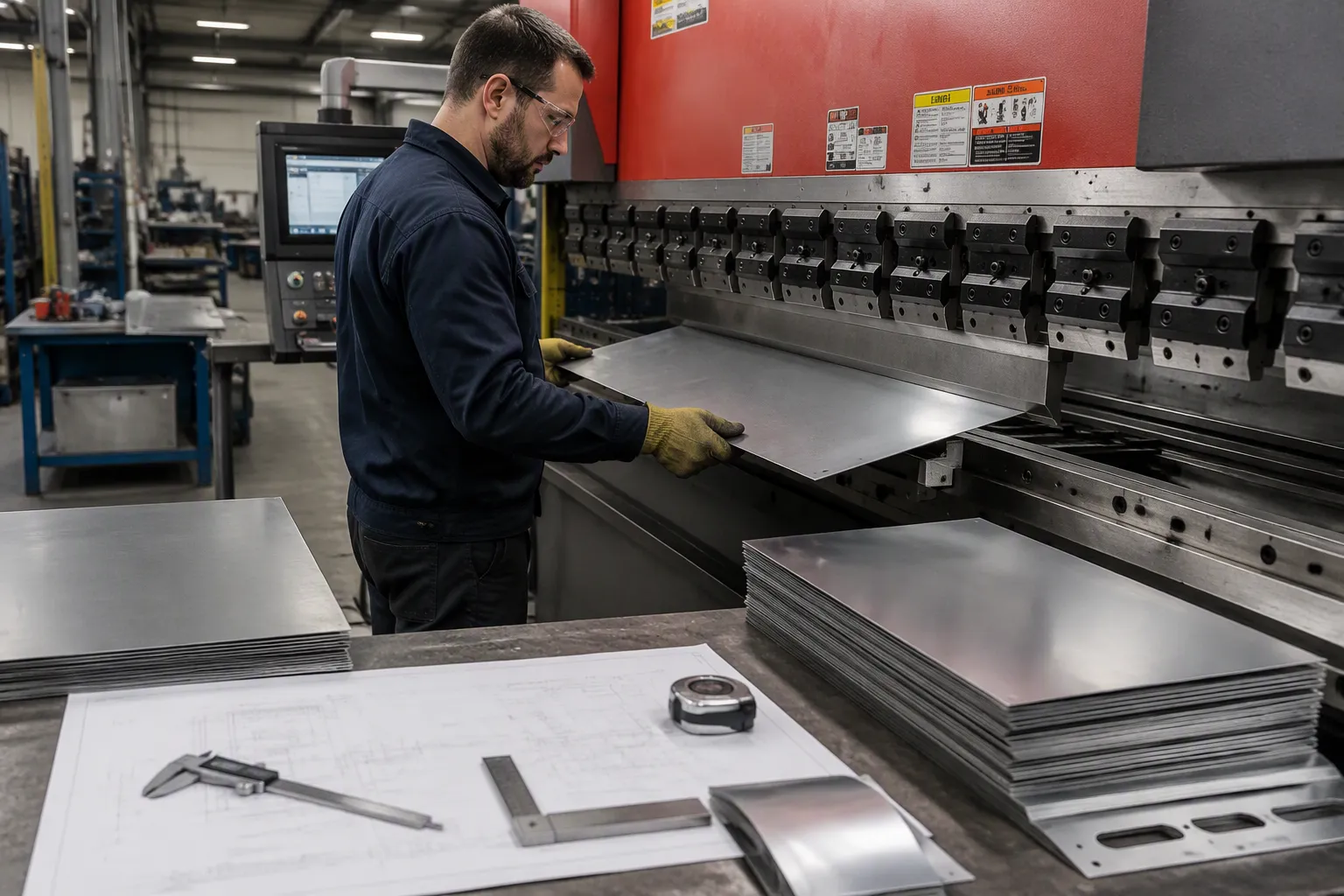
Custom sheet metal fabrication builds metal parts to your specific design from flat sheet stock. You get parts tailored to exact fit, function, and finish instead of off-the-shelf approximations. Understanding the process, materials, and key considerations helps you make confident project decisions from the start.
In this guide, we’ll walk through how custom sheet metal fabrication works, the materials involved, and the factors that shape a successful project—so you can generate a 1200-word American English B2B blog that speaks directly to engineers, procurement teams, and operations leaders evaluating fabrication partners.
What Is Custom Sheet Metal Fabrication?
Custom sheet metal fabrication is the end-to-end process of turning flat metal sheets into finished parts and assemblies built to your drawings and specifications. Unlike catalog components, every part is engineered around your requirements—dimensions, tolerances, material grade, surface finish, and function. The workflow typically spans design and preparation, material procurement, cutting, forming, joining, surface treatment, and final assembly with quality control.
Why It Matters for B2B Buyers
Off-the-shelf parts force compromises. Custom fabrication eliminates them. You get components that fit your assembly the first time, meet your durability requirements, and present the finish your customers expect. For B2B buyers, this translates into fewer rework cycles, predictable lead times, and a supply chain built around your production schedule rather than a catalog’s limitations.
The Fabrication Process, Step by Step
Design and Preparation. Engineers translate your requirements into 3D and 2D drawings, then define the processing plan and select materials. This stage converts concepts into manufacturable designs and sets the foundation for cost-effectiveness and structural integrity.
Material Procurement. Industrial-grade cold-rolled steel, stainless steel, and aluminum are sourced to match your application. Material versatility matters here—different grades offer different strength, corrosion resistance, and formability profiles.
Cutting. Laser cutting handles intricate shapes with high precision, CNC punching delivers efficient high-speed production, and stamping supports standardized mass production through blanking, punching, grooving, and embossing.
Forming. Bending creates structural profiles at precise angles, stamping and stretching produce complex shapes, rolling and rounding form cylinders and arcs, and riveting or pre-riveting presses nuts and screws into place to simplify final assembly.
Joining. Spot, arc, and laser welding deliver strong permanent bonds suited to material thickness and application, while riveting provides reliable mechanical fastening for non-weldable parts.
Surface Treatment and Finishing. Deburring and polishing improve safety and appearance, cleaning prepares surfaces for coating, and powder coating, electroplating, or anodizing add corrosion resistance and aesthetic quality.
Assembly and Quality Control. Treated parts are integrated into complete products, inspected for dimensions, appearance, and functionality, packaged for protection, and delivered on schedule.
Materials and Their Trade-offs
Cold-rolled steel offers excellent formability and a smooth surface, making it a workhorse for enclosures and brackets. Stainless steel brings corrosion resistance and strength for demanding environments. Aluminum delivers lightweight strength and machinability for applications where weight matters. Selecting the right grade early—during process planning—prevents costly redesigns later.
Key Considerations Before You Start
Tolerances drive cost. Tighter tolerances require more precise cutting and forming, so specify only what your application truly needs. Volume affects method: high-volume runs favor stamping, while low-to-mid volumes suit laser cutting and CNC punching. Surface finish should match the environment—powder coating for outdoor durability, anodizing for aluminum aesthetics. And design for manufacturability early: pre-riveting hardware and planning bend radii during drafting reduce assembly time and errors.
Quality Assurance and Delivery
Rigorous checks on dimensions, appearance, and functionality confirm compliance with specifications. Secure packaging protects finished products in transit, and on-time delivery keeps your supply chain reliable. A fabrication partner that owns the full cycle—from drawing creation to final inspection—removes handoff risk and keeps accountability in one place.
Choosing the Right Fabrication Partner
Look for a partner with in-house design and drafting, diverse material sourcing, and a complete capability set spanning cutting, forming, joining, and finishing. Ask how they handle process planning, how they verify quality, and how they manage delivery timelines. The right partner becomes an extension of your engineering team.
Conclusion
Custom sheet metal fabrication gives you parts built to exact fit, function, and finish. By understanding the process, materials, and key considerations—and by partnering with a full-cycle fabricator—you can make confident project decisions from the start and keep your production moving.
Key Takeaways
- Custom fabrication delivers parts that fit your assembly perfectly, reducing rework and keeping your production on schedule.
- Specify only the tolerances your part truly needs to control costs and avoid unnecessary expenses.
- Choose a fabrication partner with full in-house capabilities to ensure quality and accountability from start to finish.
The Custom Sheet Metal Fabrication Process
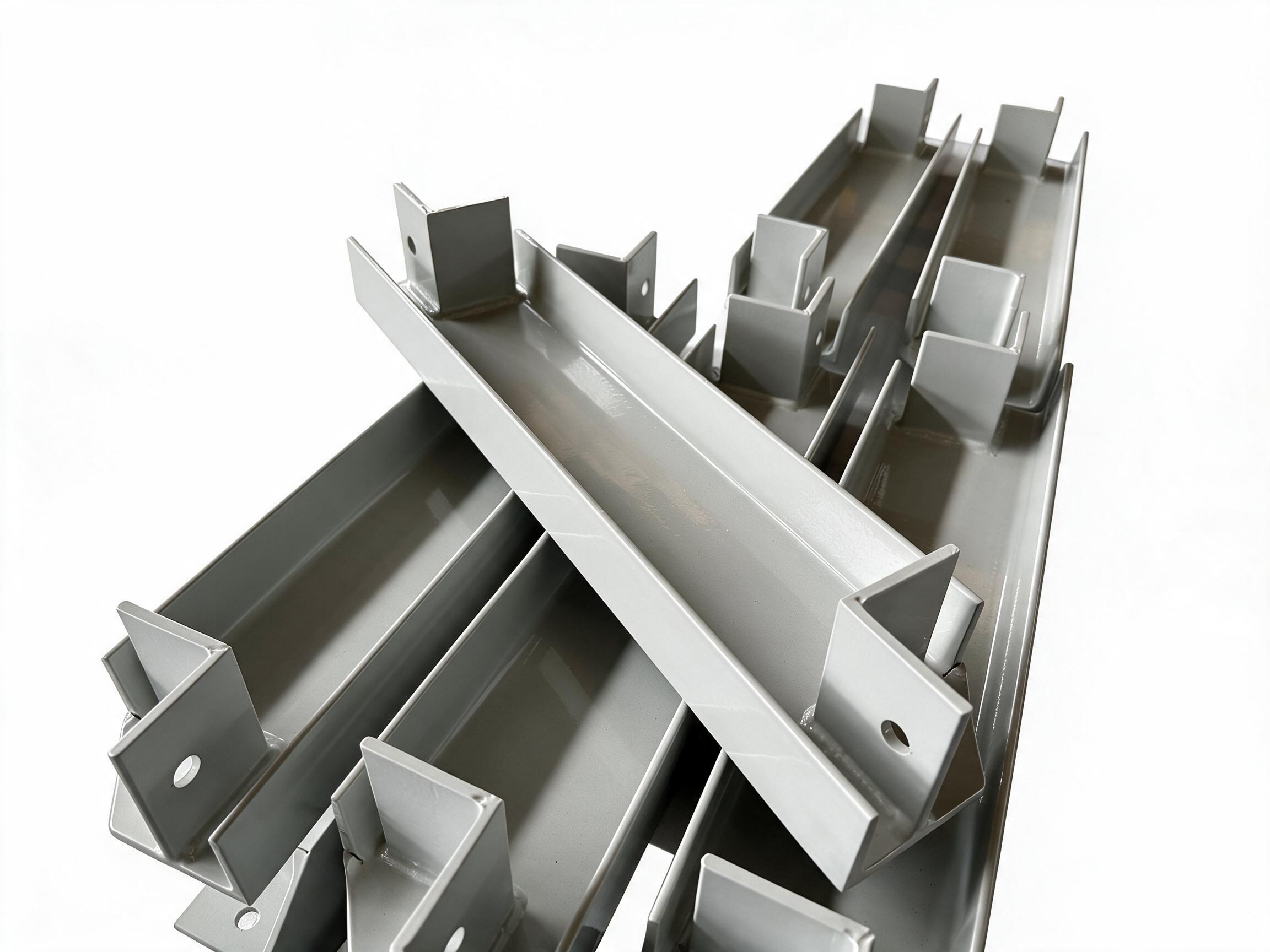
A disciplined fabrication workflow moves your part from a drawing to a finished, inspected component. Each stage builds on the last, so early decisions ripple through the entire job.
Design and Engineering Review
Your fabricator converts requirements into 3D and 2D drawings, then defines the processing plan and material selection. CAD tools let engineers iterate quickly, simulate stress and heat conditions, and send digital designs straight to CNC equipment. Collaborative review, redline markups, and version control keep your team and the shop working from the same revision. This stage catches bend, hole, and tolerance issues before metal is cut.
Cutting and Blanking
Laser cutting, CNC punching, and stamping turn flat sheets into precise blanks. Fiber lasers typically hold ±0.001 to ±0.003 in on demanding work, while general metal cutting lands in the ±0.005 to ±0.010 in range. Choose the process by geometry and volume: laser for intricate contours and small holes, punching for high-speed runs, stamping for standardized mass production.
Forming and Bending
Press brakes bend blanks to angle, while rolling forms cylinders and arcs. Respect minimum bend radii—roughly 1.5× thickness for mild steel and 2× thickness for aluminum and stainless steel. Springback varies by material and bend method, so your fabricator compensates through overbending, tooling adjustment, or test bends.
Joining and Assembly
Welding delivers permanent, high-strength bonds and hermetic sealing, while riveting and self-clinching hardware suit serviceable panels and dissimilar metals. Plan joining early: welding heat can distort thin sheet, and pre-painted parts cannot survive weld temperatures.
Finishing and Inspection
Deburring, cleaning, and coating prepare the surface. Match the finish to the environment—powder coating for outdoor steel, anodizing for aluminum, passivation for stainless. Final inspection verifies dimensions, appearance, and function against your drawing before packaging and delivery.
Specify finishes during design. Masking threads and mating surfaces adds cost, and standard colors keep budgets predictable.
Materials for Custom Sheet Metal Parts
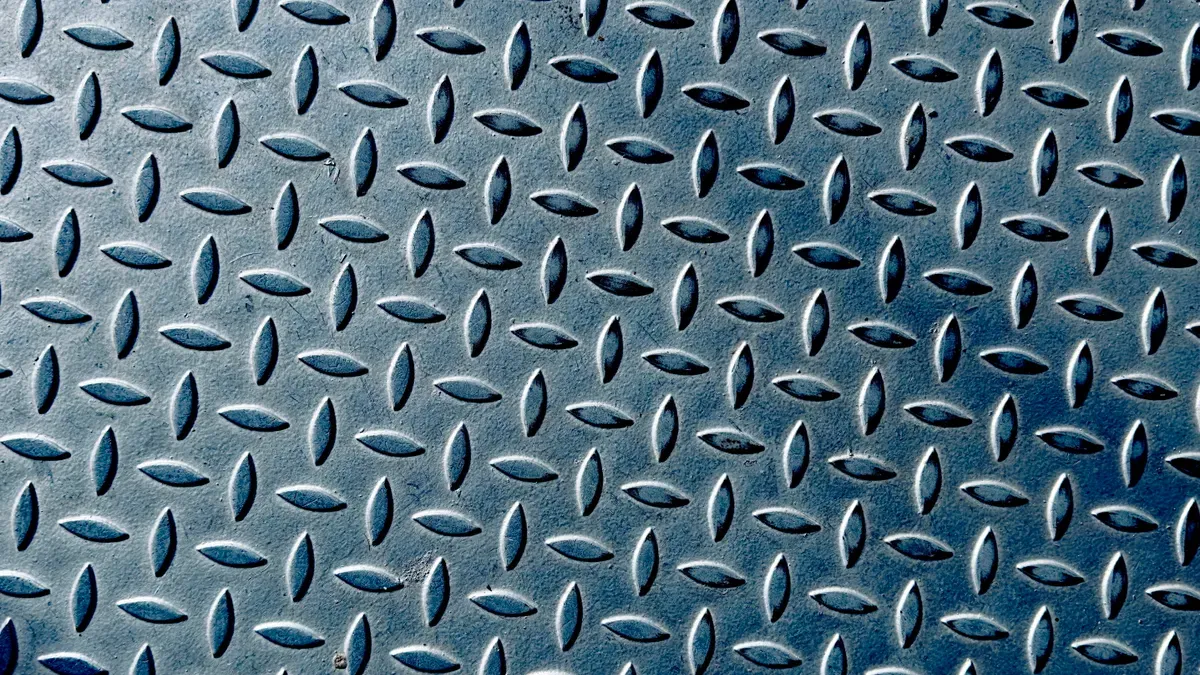
Material selection shapes every downstream decision on your project. The right grade delivers the strength, corrosion resistance, and finish your application demands at a cost your budget can absorb. The wrong grade forces compromises in forming, joining, or service life. This section walks you through the four material families you will most often evaluate for custom sheet metal parts.
Carbon Steel
Carbon steel is the workhorse of sheet metal fabrication. You get an excellent balance of strength, formability, and cost. Cold-rolled steel offers a smooth surface and tight thickness control, which makes it a natural fit for enclosures, brackets, chassis, and structural panels.
The mechanical properties vary by grade and carbon content. Two common low-carbon grades illustrate the range you can expect.
| Material | Ultimate Tensile Strength (psi) | Yield Strength (psi) |
|---|---|---|
| 1018 mild (low-carbon) steel | 63,800 | 53,700 |
| ASTM A36 (low-carbon) steel | 58,000 | 36,300 |
Carbon content drives strength across the broader category. Low-carbon (mild) steel typically reaches 400–550 MPa (58,000–80,000 psi) in tensile strength. Medium-carbon steel climbs to 550–700 MPa (80,000–100,000 psi). High-carbon steel pushes past 700–1,000 MPa (100,000–145,000 psi). Across general fabrication grades, yield strength commonly falls between 250 and 355 MPa, and ultimate tensile strength lands between 400 and 600 MPa.
You should weigh a few practical points before you commit to carbon steel. The material forms and welds easily, and it accepts powder coating, painting, and plating without difficulty. It will rust in humid or outdoor settings without a protective finish, so plan your coating during design. Higher-carbon grades gain strength and wear resistance at the expense of formability and weldability. For most general-purpose parts, a low-carbon grade gives you the best mix of cost and performance.
Stainless Steel
Stainless steel brings corrosion resistance and strength to demanding environments. The alloy family you choose determines how the material behaves during forming and how well it survives its service conditions.
| Family | Formability | Corrosion Resistance |
|---|---|---|
| Austenitic | Excellent formability and weldability; ductile, but prone to work hardening | Excellent general corrosion resistance; 316 grade outstanding (Mo addition) against pitting/crevice and chlorides; susceptible to stress corrosion cracking in chlorides |
| Ferritic | Fair formability (can be formed/drawn but not as easily as austenitics); low work-hardening; 409 noted for excellent formability | Good in mild atmospheres/indoor settings; inferior to 304 in aqueous/chloride environments (no nickel, can rust); 409 has least corrosion resistance |
| Martensitic | Not very formable, especially in hardened state (limited cold formability) | Moderate; generally less than austenitic and ferritic because higher carbon ties up chromium as carbides; adequate for mild atmospheres, fresh water, steam, mild chemicals when hardened/polished |
Austenitic grades dominate custom sheet metal work. Grade 304 serves as the general-purpose choice for a broad application range. You will find it in food processing equipment such as containers and conveyors, kitchen appliances including sinks and countertops, architectural railings and panels, chemical processing tanks and piping, and medical instruments. Grade 316 adds molybdenum for superior corrosion resistance and hygiene performance. Marine equipment, pharmaceutical processing equipment, chemical industry equipment, and surgical instruments all rely on 316.
| Grade | Best-suited environments | Limitations / notes |
|---|---|---|
| 304 | Indoor applications | Corrodes faster in high-chloride marine or high-heat environments |
| 316 | Marine environments; around chemicals; high-temperature use | Molybdenum in alloy mix improves corrosion resistance; more expensive than 304 |
The composition differences explain the performance gap. Grade 304 contains roughly 18% chromium and 8% nickel, and it fabricates and cleans easily. Grade 316 carries about 10% nickel and 2% molybdenum, which boosts resistance to rust, stains, and heat. Both grades weld and finish well. Grade 316 costs more, so reserve it for chloride exposure, chemical contact, or high-temperature service. Austenitic stainless steel work-hardens during forming, so your fabricator should plan bend sequences and tooling around that behavior.
Aluminum
Aluminum delivers lightweight strength and natural corrosion resistance. Two alloys cover most custom sheet metal projects, and each one fits a distinct role.
| Advantage | 5052 Aluminum | 6061 Aluminum | Contrast with Steel |
|---|---|---|---|
| Corrosion resistance | Excellent, especially in saltwater/marine and chemical environments | Good corrosion resistance, advantageous over steel in certain structural situations | Inherent corrosion resistance reduces need for protective coatings |
| Formability | Superior; readily bent, stamped, deep drawn into intricate shapes without cracking; smaller minimum bend radius (~1.0T on 1.5mm sheet) | Harder to form (T6 temper); larger bend radius (~2.5T+) and greater springback, posing DFM challenges | High workability enables complex single-piece parts, avoiding multi-part welding and reducing labor/assembly time |
| Strength-to-weight ratio | Good workability with adequate strength | High strength after heat treatment; ideal for load-bearing applications where weight matters | Lightweight yet strong, offering advantages over steel in structural frameworks, roofing, bridge components, and architectural extrusions |
| Machinability | Good | High machinability; cuts well for CNC machining with good surface finish | — |
| Fabrication cost | High formability minimizes part failure and scrap during bending; can replace several welded 6061 parts with one complex part | Suitable for laser cutting, bending, and forming of structural brackets and enclosures | Lower total fabrication cost through reduced scrap and assembly time |
| Versatility | Easily welded, joined, and anodized | Good weldability; preferred for structural and load-bearing components | — |
Choose 5052 when your part needs complex bends, deep draws, or marine-grade corrosion resistance. Choose 6061 when you need structural strength in a heat-treated temper and your design can accommodate a larger bend radius. Both alloys anodize well, which gives you a durable, attractive finish. Aluminum weighs roughly one-third as much as steel at comparable volume, so it shines in weight-sensitive applications such as transport equipment and portable enclosures.
Copper and Brass
Copper and brass serve applications where conductivity, thermal management, or appearance drives the design. Copper grades C101 and C110 are the most common choices in sheet metal fabrication. Both offer high conductivity and consistent material properties, which suits electrical and industrial work. You will find copper in circuit boards, heat sinks, electrical contacts, and thermal-management components.
| Alloy | Description | Conductivity / Key Properties |
|---|---|---|
| Alloy 101 | Oxygen-free copper | High conductivity and ductility |
| Alloy 110 (ETP copper) | Electrolytic tough pitch copper | Excellent electrical and thermal conductivity, plus ductility and malleability |
| Alloy 122 | Similar mechanical properties to Alloy 110 | Comparable conductivity, with superior weldability, formability, and brazing capability |
| Alloy 145 (tellurium copper, 0.4–0.7% Te) | Tellurium-bearing copper | Exceptional thermal and electrical conductivity, formability, and machinability; supplied as rod and bar |
When conductivity is the leading requirement, copper generally becomes the starting point for evaluation. Copper properties support efficient electrical and thermal transfer, which makes copper alloys suitable for bus bar assemblies, grounding systems, transformers, and heat-transfer applications. Buyers balancing conductivity against wear resistance or hardness often need to evaluate those tradeoffs carefully before finalizing alloy selection.
Brass rounds out the family. C360 brass rod ranks among the most common machining materials in non-ferrous manufacturing, chosen for clean cutting and dimensional consistency. Brass also brings an attractive golden finish to architectural and decorative parts.
Fabricating copper and brass demands more care than steel or aluminum. Copper’s very high thermal conductivity complicates welding and thermal cutting, so your fabricator needs specialized cutting parameters and careful heat management. Brass properties vary significantly by alloy, so you must verify machinability, formability, and weldability against the specific grade rather than assume them. Some brass grades weld far less readily than steel. Copper and brass also carry higher material cost, higher density than aluminum, and softer surfaces than steel. These traits influence cutting parameters, bend force, minimum bend radius, springback, welding parameters, tool wear, scrap rate, part cost, and lead time. Plan for these factors early and your copper or brass project will run smoothly.
Comparing Materials by Performance, Fit, and Cost
No single material wins across every category. The right choice depends on how your part will serve its application.
Carbon steel gives you the lowest material cost and the widest forming window. It fits structural parts, enclosures, and general hardware that will receive a protective coating. Stainless steel costs more, yet it eliminates coating steps and survives corrosive or hygienic environments. Aluminum trades some strength for major weight savings and natural corrosion resistance. Copper and brass deliver unmatched conductivity and a premium appearance at the highest material cost.
Match the material to the service environment first. Indoor parts with moderate loads favor carbon steel. Washdown, chemical, or marine exposure points to 304 or 316 stainless. Weight-sensitive designs call for aluminum. Electrical and thermal transfer requirements lead you to copper. Then weigh formability against your part geometry. Complex bends favor 5052 aluminum or mild steel. Tight bend radii and deep draws suit austenitic stainless and low-carbon steel. Finally, factor in finishing. Powder coating, anodizing, passivation, and plating each add cost and lead time, so choose a material that minimizes the finishing burden your application requires.
Key Considerations for Custom Parts
Early design decisions determine whether your part forms cleanly, assembles without rework, and stays within budget. Address these four areas before you release drawings.
Design Best Practices
Design for manufacturability from the concept phase. Efficient nesting of regular shapes maximizes sheet utilization and cuts scrap. Keep features at least 2× material thickness from part edges, and keep bends at least 4× thickness from edges to prevent cracking. Standard press-brake radii near material thickness avoid custom tooling. Design bends in consistent directions to reduce setup time, and prefer lap or fillet welds over butt welds. Standardize on two or three fastener types, and involve your fabricator’s engineers early to catch cost drivers before drawings are final.
Tolerances and Bend Radii
Specify only the tolerances your function requires. Standard tolerances of ±0.010 in on cut features and ±0.030 in on formed dimensions keep costs predictable. Tightening to ±0.05 mm can multiply cost 1.5–2×, and ±0.01 mm can reach 4–8×. A designation like ISO 2768-m in the title block applies sensible defaults without cluttering every dimension.
| Tolerance Grade | Relative Cost | Production Impact |
|---|---|---|
| ±0.1 mm (ISO 2768-m) | 1× (baseline) | Standard feeds/speeds, single setup |
| ±0.05 mm | ~1.5–2× | Slower feed rates, more tool changes |
| ±0.025 mm | ~2–3× | Extra finishing passes, temperature control |
| ±0.01 mm | ~4–8× | Specialized tooling, climate control, 100% inspection |
Bend allowance accounts for deformation during forming: the outer surface stretches while the inner surface compresses. Calculate it from material thickness, bend radius, bend angle, and material type so your flat pattern matches the formed geometry. Confirm the fabricator’s tooling data during design.
Hole Placement and Feature Spacing
Keep holes at least 2 to 3 times material thickness plus the bend radius away from the bend line. Closer holes distort, tear, or ovalize under bending forces. For hardware holes that must sit near a bend, add cutouts around the hole to relieve material stress. Consult the hardware manufacturer’s minimum centerline-to-edge specification. Add relief cuts at adjoining bends—width at least material thickness, length beyond the bend radius—so material does not tear.
Factors That Affect Quality and Cost
Material grade, sheet thickness, design complexity, volume, and post-processing drive cost. Avoid over-specifying stainless where coated carbon steel suffices, and use standard gauges stocked by distributors. Prefer powder coating over wet paint for comparable price and shorter lead times. Combine parts from the same material and consolidate small cutouts. Rationalizing tolerances on tolerance-dense designs can lower fabrication cost by 15–30%.
Preparing Your Order and Choosing a Fabricator
A complete quote package speeds pricing and prevents surprises. Your request for quote should carry every detail a shop needs to price accurately.
What to Include in a Request for Quote
| RFQ Element | What to Include |
|---|---|
| Drawings and CAD files | Full 2D dimensions, STEP or DXF files, 3D models for assemblies |
| Material specifications | Type, grade or alloy, temper, acceptable substitutions |
| Tolerances and quality | General tolerances, critical dimensions, GD&T, inspection needs |
| Finishing | Coatings, color specs, deburring, hardware insertion, labeling |
| Quantity and timeline | Order volume, annual forecast, target delivery date |
| Compliance | Standards, certifications, material test reports |
Incomplete RFQs are a leading cause of inaccurate quotes. One supplier assumes standard tolerances while another assumes tight ones. Itemize your quote and reference the correct drawing revision.
Questions to Ask a Fabrication Partner
Ask who controls each critical step in-house. Confirm their capacity for expedites and their inspection equipment. Request their non-conformance process and revision control method. Ask about tooling ownership and what the total cost includes. A reliable partner provides mill test reports and explains which tolerances demand premium processes. Listen for a clear distinction between standard and premium capability.
Managing Changes and Small-Volume Orders
Finalize designs before you order. Late changes drive most rework. Run a DFM review as a gate before cutting—it catches holes too close to bend lines and insufficient hardware clearance while fixes stay cheap. For small volumes, laser cutting is the default. It handles complex outlines without punch-press tooling investment. Avoid mixing pre-cut flats from other shops, since the forming shop cannot guarantee dimensions without the original bend deductions.
Custom sheet metal fabrication moves your part from design review through cutting, forming, joining, and finishing to a inspected, delivered component. Choose materials by application fit, performance needs, and budget—no single grade wins everywhere. Address tolerances, bend radii, and hole placement early to prevent rework and control cost. Apply these guidelines when you brief a fabrication partner or review a design. Send your drawings and specifications for a quotation, and request MTC material test certificates with your order.
FAQ
How tight should my tolerances be?
Specify only what your part truly needs. Standard tolerances of ±0.010 in on cut features and ±0.030 in on formed dimensions keep costs predictable. Tighter tolerances multiply cost quickly.
Which material suits outdoor parts best?
Choose 304 or 316 stainless steel for corrosive or marine exposure. Coated carbon steel works for moderate outdoor conditions. Aluminum offers natural corrosion resistance for weight-sensitive designs.
How do I reduce fabrication cost?
Rationalize tolerances, use standard gauges, and consolidate small cutouts. Combine parts from the same material. Prefer powder coating over wet paint. Early design-for-manufacturability reviews catch cost drivers before cutting begins.
See Also
Avoid Making Incorrect Aluminum Casting Process Choices Ever Again
Related products
-
Yaw pitch gear
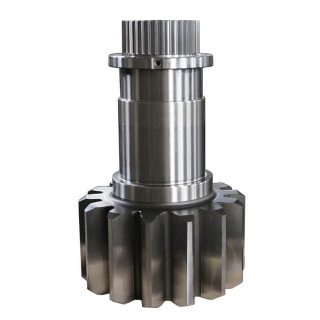
Contact UsWind turbine gears are an indispensable part of wind turbines. Their function is to convert the rotation speed of the wind rotor into the speed required by the generator, thereby generating electricity. The function of wind turbine gears is not simply to transmit power, but also involves the efficiency, reliability and life of wind turbines. It can improve power generation efficiency, stabilize operation, extend life, and reduce maintenance costs. With the continuous development of wind power generation technology, the role of wind turbine gears will become more and more important.
-
EI-lamination with air gap
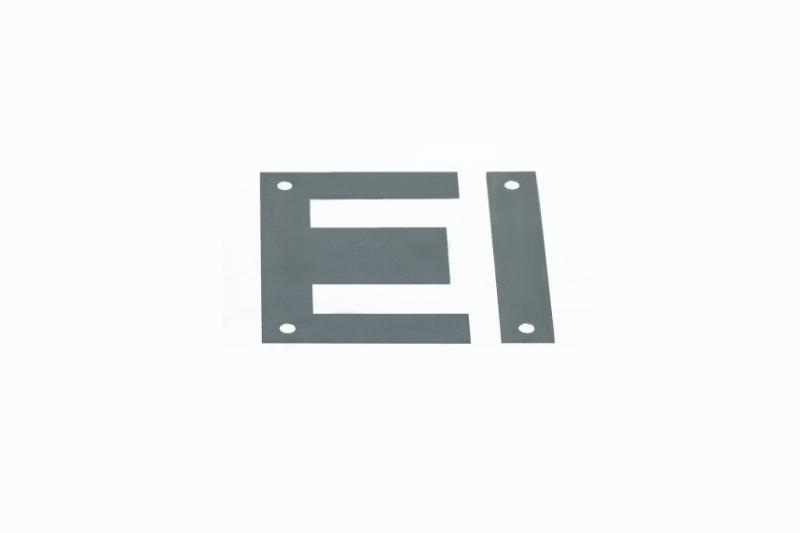
Contact UsThe gap sizes of transformer lamination core can be customized.
-
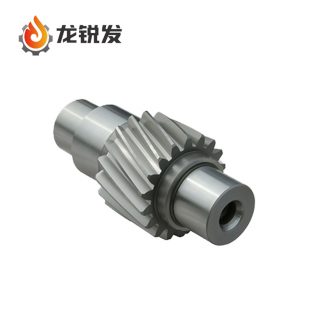
Industrial Gear for other industries
Contact UsThe company’s main products are high precision involute cylindrical gears,We specialize in manufacturing of gears products such as spur gear,helical gear…
-
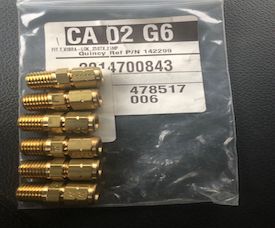
QUINCY CONNECTOR VIBRA-LOK 142299 1/4 NPT
Contact UsWe are QUINCY CONNECTOR VIBRA-LOK 142299 1/4 NPT supplier and provide replacement parts for major air compressor manufacturers.
Reviews
There are no reviews yet.