

Ectoin in Skincare
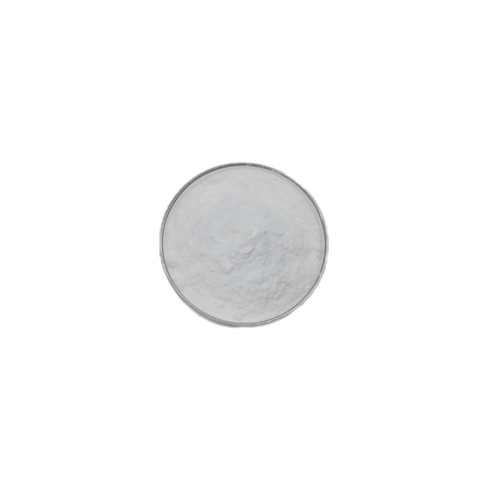
Viablife Ectoin is a fermentation-derived cosmetic ingredient supplied as a white powder.
As skincare formulations increasingly focus on hydration, skin resilience, and protection from environmental stress, cosmetic brands are looking for multifunctional active ingredients that can support several product benefits at once. Ectoin has gained attention in this area because of its moisture-retention and cellular-protection properties.
Viablife Ectoin is a fermentation-derived cosmetic ingredient supplied as a white powder. With the INCI name Ectoin and CAS No. 96702-03-3, it can be incorporated into a broad range of personal care formulations, including skincare, sunscreen, cleansing, facial care, hair care, and makeup products.
What Is Ectoin?
Ectoin is a water-soluble zwitterionic amino acid derivative originally identified in halophilic microorganisms. These microorganisms produce ectoin as a compatible solute that helps them cope with extreme environmental conditions, particularly high salt concentrations and osmotic stress.
This natural protective mechanism has made ectoin an interesting ingredient for cosmetic science. Its ability to interact with water and help protect biological structures has led to its use in formulations designed around hydration, environmental protection, and skin comfort.
Today, ectoin is widely considered a multifunctional cosmetic active rather than simply a moisturizing ingredient. Its formulation applications can extend from daily moisturizing products to sun-care and protective skincare concepts.
Why Is Ectoin Valuable in Cosmetic Formulations?
The skin is continuously exposed to external factors such as UV radiation, dry environments, temperature changes, and oxidative stress. These conditions can affect skin hydration and overall barrier condition.
Ectoin is particularly interesting because its functionality is associated with water management and cellular protection. This allows formulators to incorporate it into products targeting several aspects of skin care without relying on a single benefit.
1. Supports Skin Hydration
Moisture retention is one of the key reasons ectoin is used in skincare. According to Viablife's product information, ectoin can bind and structure free water, supporting skin hydration and moisture retention.
Unlike formulations that focus only on supplying surface moisture, ectoin is used to develop hydration concepts centered on maintaining a favorable water environment around biological structures. This makes it suitable for moisturizing serums, creams, lotions, and other daily skincare products.
For brands developing products for dry or dehydrated skin, ectoin can therefore serve as an important component of a broader hydration strategy.
2. Provides Cellular Protection
Environmental stress can contribute to oxidative damage and changes in cellular function. Ectoin has attracted scientific interest because of its protective properties under challenging environmental conditions.
Viablife describes ectoin as a cosmetic active associated with cellular protection and antioxidant support. Its protective characteristics make it relevant to formulations designed for skin exposed to everyday environmental stressors.
When combined with other antioxidants or barrier-supporting ingredients, ectoin can become part of a more comprehensive protective skincare concept.
3. Supports Skin Against UV-Related Stress
UV exposure is another important consideration in skin aging and daily skin protection. UVA radiation can contribute to cumulative photoaging, making long-term environmental protection an important consideration in skincare development.
Viablife's product information highlights ectoin's potential role in protecting against UVA-induced photoaging and supporting skin structures affected by UV exposure.
For this reason, ectoin can be incorporated into sun-care and daily protective formulations alongside established UV filters and other supporting cosmetic ingredients.
4. Helps Maintain Skin Comfort
A good skincare formulation needs to address not only visible appearance but also skin feel and comfort. Ectoin's moisturizing and protective properties make it suitable for formulations designed for daily skin care and products focused on maintaining a comfortable skin condition.
Its mild nature also supports its use across different personal care categories, giving formulators flexibility when creating products for different consumer needs.
Applications of Ectoin in Cosmetics
Ectoin can be used across a broad range of cosmetic products. Its multifunctional positioning makes it particularly useful when brands want to combine hydration with environmental protection.
Facial Skincare
Ectoin can be incorporated into facial serums, creams, lotions, and other leave-on products. It is especially relevant to formulations focused on hydration, skin comfort, and protection from environmental stress.
Sunscreen and Sun-Care Products
Because of its reported protective properties against UV-related cellular stress and photoaging, ectoin can complement sunscreen formulations. It should be considered a supporting cosmetic active rather than a replacement for approved UV filters.
Cleansing Products
Cleansing can temporarily affect the skin's moisture balance. Including moisturizing and protective ingredients such as ectoin in cleansing concepts can help brands develop products with a stronger skin-comfort positioning.
Hair Care
Ectoin is also suitable for hair-care formulations. Its water-binding and protective characteristics provide opportunities for products designed to care for hair and the scalp under environmental stress.
Makeup and Beauty Products
Ectoin can be incorporated into selected makeup and beauty formulations where brands want to combine cosmetic performance with moisturizing or protective skincare-oriented benefits.
Viablife Ectoin: Fermentation-Derived Cosmetic Ingredient
For cosmetic ingredient manufacturers, sourcing technology and raw material consistency are important considerations. Viablife Ectoin is produced through fermentation and has a non-animal origin, providing an option for brands looking for fermentation-based cosmetic ingredients.
The product is supplied as a white powder and is positioned by Viablife as a high-purity, cost-effective ectoin ingredient for cosmetic applications.
Product Specifications
| Property | Specification |
|---|---|
| Product Name | Ectoin |
| INCI | Ectoin |
| Synonym | Ectoine |
| CAS No. | 96702-03-3 |
| Molecular Formula | C6H10N2O2 |
| Molecular Weight | 142.16 |
| Appearance | White powder |
| Source | Fermentation |
These specifications provide formulators with the basic information required for evaluating ectoin as a cosmetic raw material.
How to Incorporate Ectoin into Skincare Formulations
When developing an ectoin-containing product, formulators should consider the overall formulation structure, processing conditions, compatibility with other ingredients, and the intended product positioning.
Ectoin can be combined with other moisturizing, antioxidant, barrier-supporting, and protective ingredients to create multifunctional skincare formulations. For example, a hydration-focused serum may combine ectoin with humectants and other skin-conditioning ingredients, while a protective cream may incorporate ectoin alongside barrier-supporting lipids and antioxidants.
The appropriate formulation approach will depend on the finished product, target skin type, processing method, and desired sensory characteristics.
Ectoin vs. Conventional Moisturizing Ingredients
One reason ectoin has become interesting to cosmetic formulators is that its functionality extends beyond conventional moisturization. Traditional humectants are primarily selected for their ability to attract and retain water, while ectoin is valued for a broader combination of water-management and protective characteristics.
This makes ectoin particularly attractive for multifunctional formulations where hydration is only one part of the product concept.
Rather than replacing established ingredients, ectoin can be used alongside them. A well-designed formulation may combine ectoin with humectants, emollients, ceramides, antioxidants, and other active ingredients to address multiple skin-care objectives.
Why Choose Fermentation-Derived Ectoin?
Fermentation is an established biotechnology approach for producing various cosmetic ingredients. Viablife identifies fermentation-based production, non-animal origin, high purity, and cost-effectiveness among the key advantages of its ectoin product.
For cosmetic brands seeking alternatives to conventional synthetic raw materials, fermentation-derived ectoin can offer another sourcing option. It can also fit well into product development strategies that emphasize biotechnology and sustainable ingredient production.
Viablife's broader portfolio includes natural cosmetic ingredients developed through biotechnology and fermentation-related manufacturing capabilities, supporting its positioning as a supplier for cosmetic raw material development.
Choosing an Ectoin Supplier for Cosmetic Development
Selecting the right ectoin supplier involves more than comparing ingredient prices. Cosmetic manufacturers should evaluate raw material purity, production technology, batch consistency, specifications, quality management, and technical support.
A reliable supplier should also provide clear product documentation and formulation information so R&D teams can efficiently assess the ingredient for different applications.
Viablife Ectoin combines fermentation-based production with a white powder format and defined physicochemical specifications, making it suitable for cosmetic manufacturers developing hydration, protective skincare, sun-care, hair-care, and beauty formulations.
Conclusion
Ectoin has become an increasingly interesting cosmetic ingredient because it combines moisture-retention properties with broader cellular and environmental protection benefits. Its versatility allows it to be used in facial care, moisturizing products, sunscreen, cleansing, hair care, makeup, and other personal care applications.
Viablife Ectoin is a fermentation-derived, non-animal-origin ingredient supplied as a white powder, with CAS No. 96702-03-3 and a molecular weight of 142.16. Its multifunctional profile makes it a useful option for brands developing skincare products focused on hydration, skin comfort, and environmental protection.
As consumers continue to seek skincare products that provide more comprehensive protection and hydration, ectoin offers cosmetic formulators another versatile active ingredient for developing next-generation personal care products.
Related products
-
Pen-type Blood Collection Needle
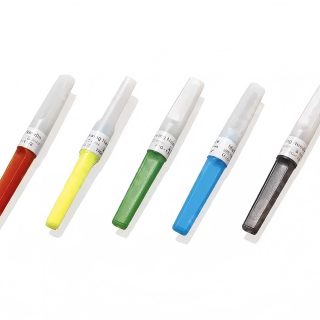
Contact UsPen-type blood collection needle is designed for safe and comfortable venous blood sampling. Its ergonomic, pen-like design ensures easy handling and helps minimize patient anxiety and discomfort.
-
Tagatose
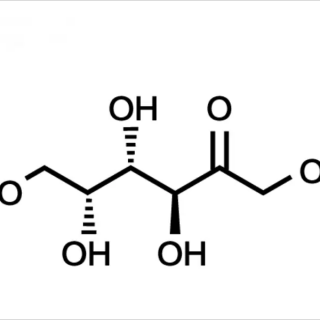
Contact Us【Synonym】: D-tagatose 【CAS No.】: 87-81-0 【Appearance】: white to off-white powder
-
-
ViableCare Ceramide 50
Contact Us【Appearance】:Powder 【Active Ingredient Content】:>50% 【Suitable Applications】:Suitable for water cream systems 【Recommended Dosage】:0.1-5%
Reviews
There are no reviews yet.