


Flexible Braided Copper Wire Contact Resistance Test Guide
Flexible Braided Copper Wire Contact Resistance Test Guide
Understanding Contact Resistance in Flexible Braided Copper Wire
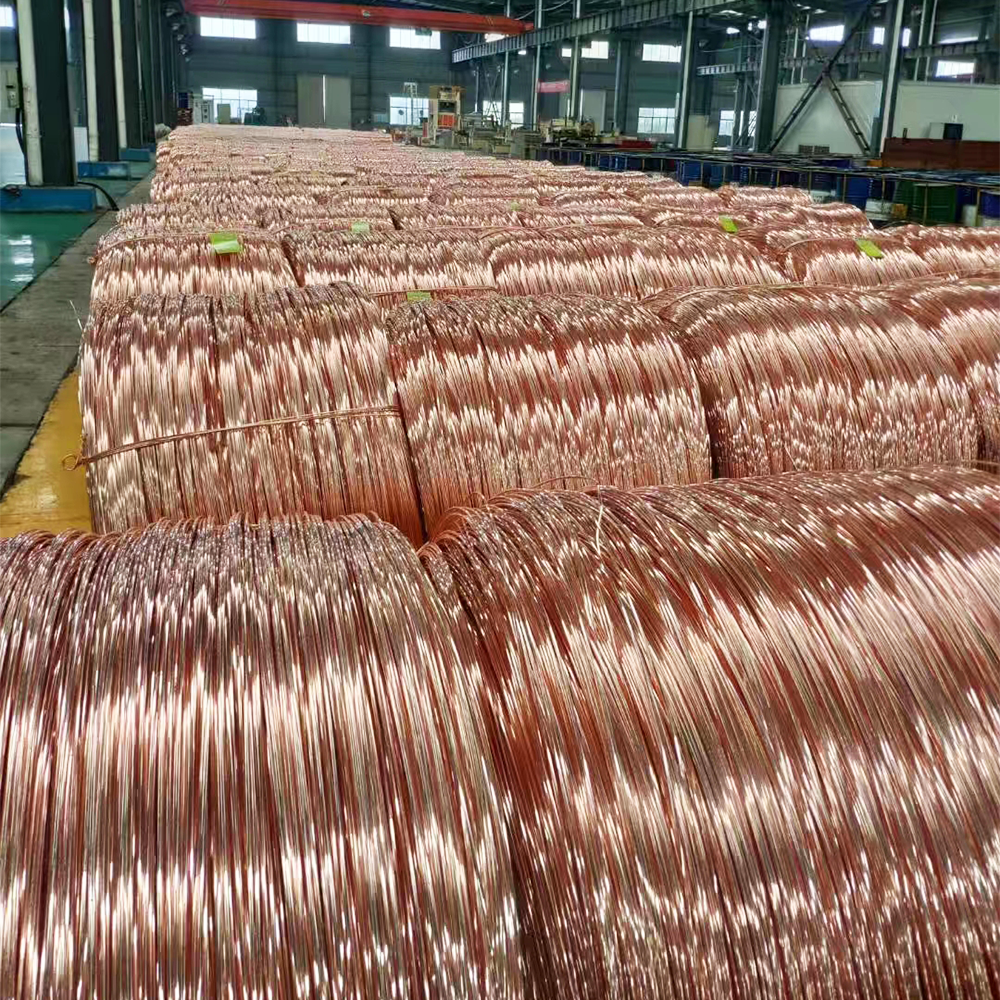
Flexible braided copper wire, often used interchangeably with flexible connectors in industrial electrical systems, is one of the specialized conductive forms produced within the copper materials industry alongside copper busbars and stranded copper wire. These products are widely applied in high- and low-voltage electrical equipment, switchgear, and transformer connections and grounding, where stable electrical performance and mechanical flexibility are both required. Among the properties that determine whether a braided copper connector performs reliably in service, contact resistance stands out as a defining quality indicator, directly influencing how efficiently current passes through the connection point without excessive heat generation or voltage loss.
For buyers and engineers evaluating flexible braided copper wire, understanding how this parameter is controlled during manufacturing—and how it is verified before shipment—is essential to making an informed procurement decision.
Why Contact Resistance Testing Matters for Flexible Copper Connectors
Contact resistance testing is explicitly identified as one of the key control points in the manufacturing of copper braided wire and flexible connectors. Because these products are typically installed at junctions between electrical equipment, switchgear panels, and grounding systems, any inconsistency in contact resistance can compromise the overall electrical path. Alongside contact resistance, braid density and terminal security are the other two critical control points monitored during production, since all three factors interact to determine how well the finished connector maintains a low-resistance, mechanically stable connection over its service life.
Flexible busbars, a related product form, often utilize multiple layers of 0.5 mm copper material with extruded insulation, reflecting the broader industry approach of stacking layered copper wires to achieve both flexibility and conductive performance.
Manufacturing Process Behind Reliable Braided Copper Wire
Material Selection and Grade Control
The foundation of consistent contact resistance performance begins with raw material selection. Copper product manufacturing generally starts with copper cathode, or electrolytic copper, containing copper content of 99.95% or higher, with batching performed according to grade specifications. For electrical conductive components such as braided wire, pure copper grades are the typical choice, since pure copper—often referred to as red copper—offers superior electrical and thermal conductivity compared to alloyed forms. Representative pure copper grades include T1, T2, and T3, as well as oxygen-free copper grades TU1 and TU2, which are characterized by extremely low oxygen content and are widely used in electronics, vacuum applications, and high-specification welded components.
Braiding, Extrusion, and Terminal Crimping
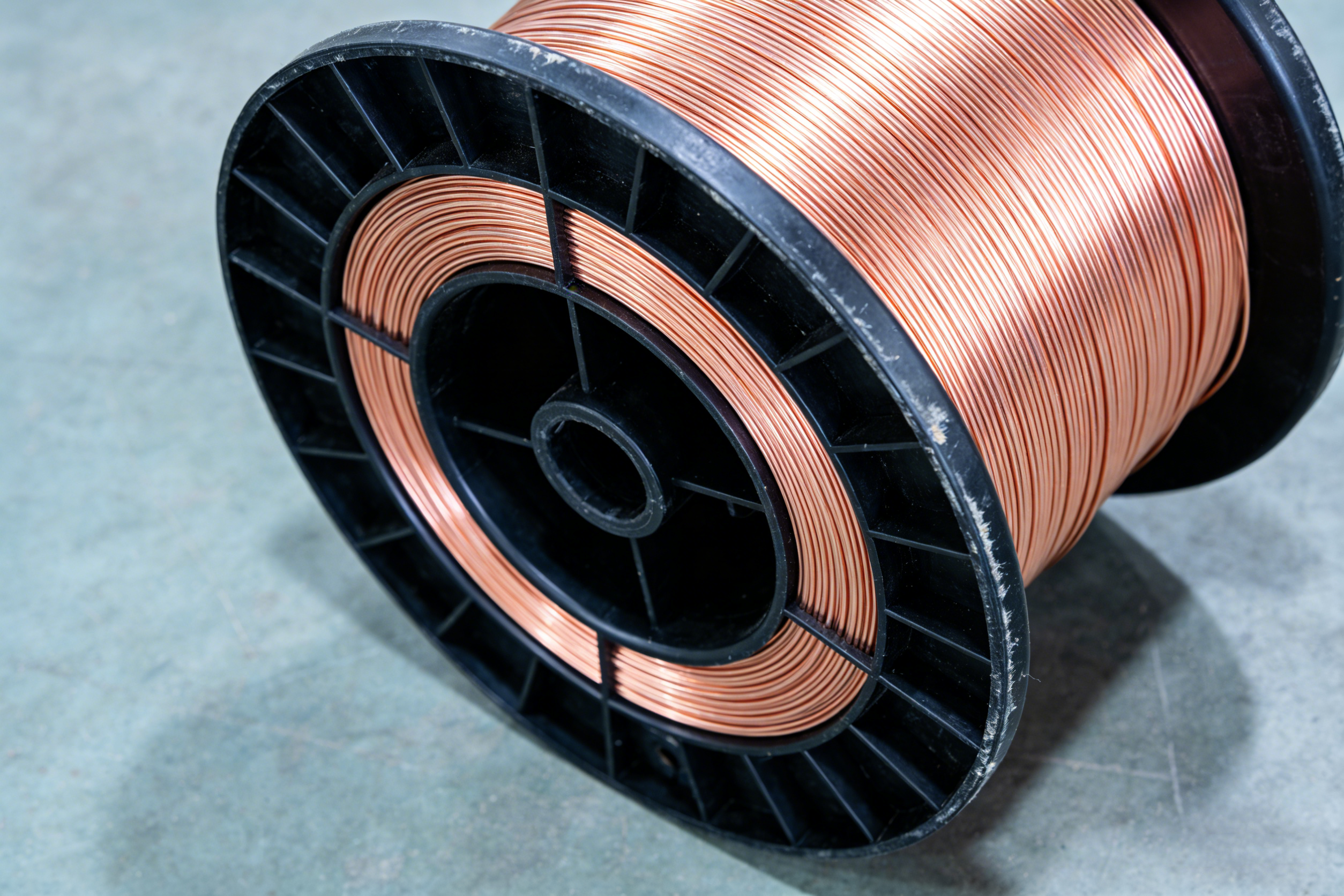
The established process route for copper braided wire and flexible connectors follows a defined sequence: stacking multiple layers of flat copper wires, followed by braiding or extrusion, and concluding with terminal crimping. Each stage in this sequence has a direct bearing on the final contact resistance value. The uniformity achieved during the wire-drawing and stranding stages—part of the broader copper wire process route that includes multi-pass wire drawing, annealing, and stranding or braiding—affects how tightly the braided strands pack together, which in turn influences braid density and, ultimately, contact resistance at the termination points.
Key Quality Control Points for Braided Copper Wire
When evaluating flexible braided copper wire for contact resistance performance, the following control points are central to the manufacturing specification:
- Braid density: The tightness and consistency of the braided layers, which affects current distribution across the conductor.
- Contact resistance: Measured at termination points to confirm the connector provides a low-resistance electrical path consistent with the intended application.
- Terminal security: The mechanical integrity of the crimped terminal connection, which must remain stable under vibration and thermal cycling to preserve the contact resistance value over time.
These three control points are interdependent. A connector with excellent braid density but a poorly crimped terminal will still exhibit unstable contact resistance in service, underscoring why all three parameters are assessed together during quality control rather than in isolation.
Choosing the Right Grade and Temper
Grade and temper selection also play a role in how a braided copper wire product performs under contact resistance testing. Pure copper grades such as T1, T2, and T3 differ in copper content—T1 at 99.95% or higher, T2 at 99.90% or higher, and T3 at 99.70% or higher—with higher copper content generally supporting better conductive performance. Temper designations such as M (fully annealed, soft), Y2 (half-hard), and Y (hard) describe the mechanical state achieved through cold working and annealing, and these designations are commonly paired with the base grade, as seen in designations such as T2M or T2Y2.
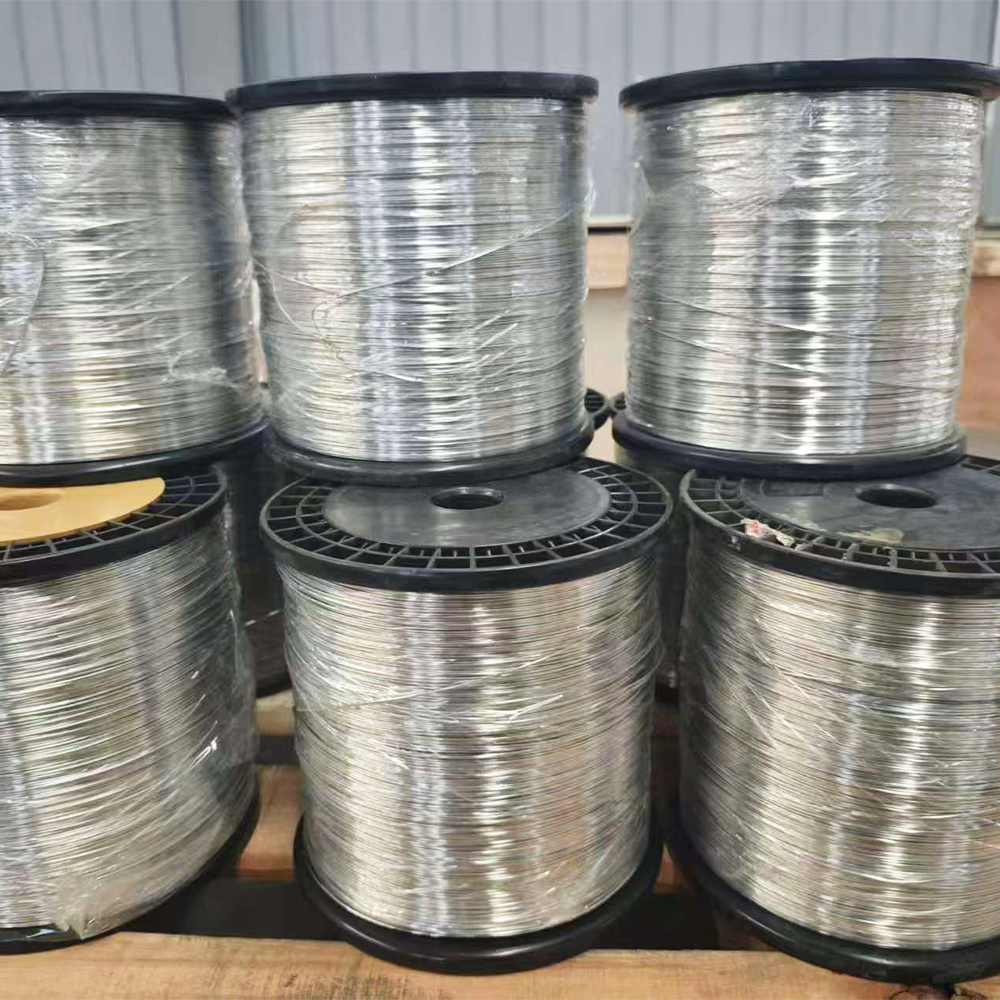
For related conductive products such as copper busbars, buyers are advised to verify electrical conductivity, typically expressed as a value of 46 m/(Ω·mm²) or higher at 75°C, and to specify four key elements when requesting a quotation: grade, temper, cross-section, and applicable standard. This same principle of precise specification applies when sourcing flexible braided copper wire intended for contact resistance-sensitive applications.
Quality Assurance and Documentation
Verifying contact resistance performance requires more than visual inspection. Material and quality certificates covering chemical composition, mechanical properties, and electrical conductivity are standard documentation accompanying copper conductive products, and third-party or commercial inspection reports can be issued upon request. Before shipment, standard-compliant sampling and retention of test reports are part of the mandatory inspection and packaging stage in the overall production process, ensuring that chemical composition, mechanical properties, electrical conductivity, flaw detection, dimensions, and surface quality have all been verified prior to warehousing.
Why Jiangsu Xinxiangsheng Special Steel Is a Trusted Partner for Flexible Braided Copper Wire
Jiangsu Xinxiangsheng Special Steel Co., Ltd., known in the industry as Xinxiangsheng Special Steel, approaches flexible braided copper wire production through a structured manufacturing chain that begins with qualified copper cathode raw material and proceeds through smelting and casting, hot working, cold working, heat treatment, and a final inspection and packaging stage. This disciplined process sequence supports the consistent control of braid density, contact resistance, and terminal security that buyers require for applications in high- and low-voltage electrical equipment, switchgear, and grounding systems.
By maintaining clear grade identification—distinguishing pure copper designations such as T1, T2, T3, TU1, and TU2 from brass and other alloy forms—and by offering material and quality certificates alongside optional third-party inspection reports, Jiangsu Xinxiangsheng Special Steel enables customers to confirm the electrical performance of their braided copper wire before it enters service. For engineers and procurement teams prioritizing reliable contact resistance in flexible copper connectors, specifying the grade, temper, and relevant standard upfront remains the most effective way to ensure the delivered product meets the intended electrical and mechanical requirements.
Related products
-
Organic Grapes
Original price was: ¥22.00.¥20.00Current price is: ¥20.00.Add to cartLorem Ipsum is simply dummy text of the printing and typesetting industry. Lorem Ipsum has been the industry’s standard dummy text ever since the 1500s, when an unknown printer took a galley of type and scrambled it to make a type specimen book. It has survived not only five centuries, but also the leap into electronic typesetting, remaining essentially unchanged.
-
Cold Drinks
Original price was: ¥24.00.¥19.00Current price is: ¥19.00.Add to cart“Sed ut perspiciatis unde omnis iste natus error sit voluptatem accusantium doloremque laudantium, totam rem aperiam, eaque ipsa quae ab illo inventore veritatis et quasi architecto beatae vitae dicta sunt explicabo. Nemo enim ipsam voluptatem quia voluptas sit aspernatur aut odit aut fugit, sed quia consequuntur magni dolores eos qui
ratione voluptatem sequi nesciunt. Neque porro quisquam est, qui dolorem ipsum quia dolor sit amet, consectetur, adipisci velit, sed quia non numquam eius modi tempora incidunt ut labore et dolore magnam aliquam quaerat voluptatem. Ut enim ad minima veniam, quis nostrum exercitationem ullam corporis suscipit laboriosam, nisi ut aliquid ex ea commodi consequatur? Quis autem vel eum iure reprehenderit qui in ea voluptate velit esse quam nihil molestiae consequatur, vel illum qui dolorem eum fugiat quo voluptas nulla pariatur?”
-
Organic Green Chillies
¥10.00Add to carthere are many variations of passages of Lorem Ipsum available, but the majority have suffered alteration in some form, by injected humour, or randomised words which don’t look even slightly believable. If you are going to use a passage of Lorem Ipsum, you need to be sure there isn’t anything embarrassing hidden in the middle of text.
All the Lorem Ipsum generators on the Internet tend to repeat predefined chunks as necessary, making this the first true generator on the Internet.
-
Dry Fruits
Original price was: ¥22.00.¥20.00Current price is: ¥20.00.Add to cart“Sed ut perspiciatis unde omnis iste natus error sit voluptatem accusantium doloremque laudantium, totam rem aperiam, eaque ipsa quae ab illo inventore veritatis et quasi architecto beatae vitae dicta sunt explicabo. Nemo enim ipsam voluptatem quia voluptas sit aspernatur aut odit aut fugit, sed quia consequuntur magni dolores eos qui ratione
voluptatem sequi nesciunt. Neque porro quisquam est, qui dolorem ipsum quia dolor sit amet, consectetur, adipisci velit, sed quia non numquam eius modi tempora incidunt ut labore et dolore magnam aliquam quaerat voluptatem. Ut enim ad minima veniam, quis nostrum exercitationem ullam corporis suscipit laboriosam, nisi ut aliquid ex ea commodi consequatur? Quis autem vel eum iure reprehenderit qui in ea voluptate velit esse quam nihil molestiae consequatur, vel illum qui dolorem eum fugiat quo voluptas nulla pariatur?”


Reviews
There are no reviews yet.