

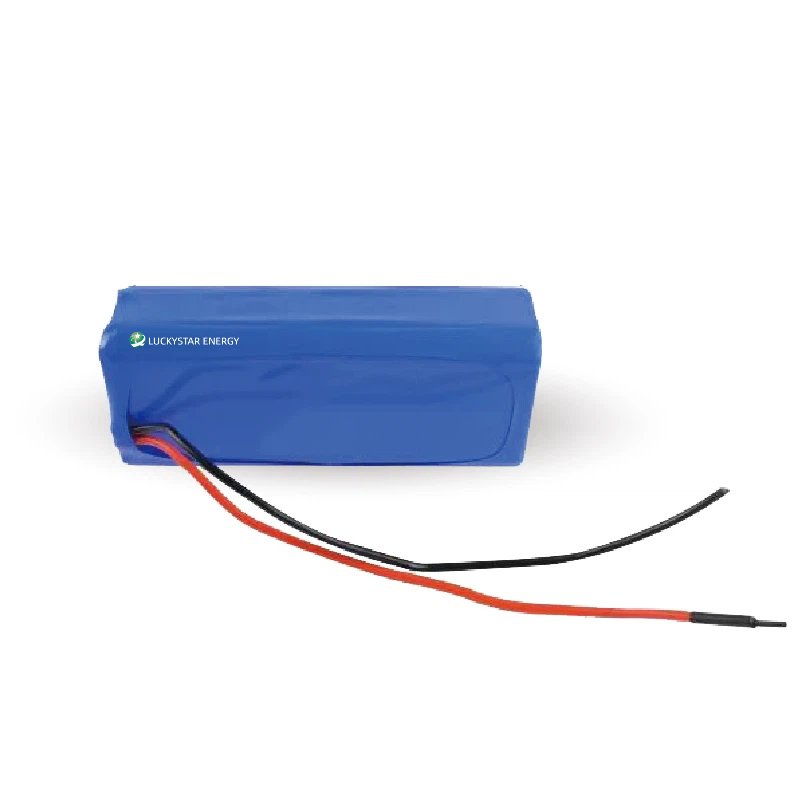
High-Capacity LiFePO4 Robot Battery Pack with Smart BMS for Autonomous AGVs
Lucky Star Energy Group specializes in engineering the advanced robot battery pack through continuous technological innovation.
Lucky Star Energy Group specializes in the development and manufacturing of advanced robot battery packs, combining continuous technological innovation with practical engineering expertise. Our power solutions are designed to deliver high energy density, durability, and reliable performance for autonomous systems. By focusing on energy efficiency and long-term operational stability, we support the evolving power requirements of next-generation industrial robotics and automated material handling applications.
Intelligent Power Management and Performance Optimization
As autonomous logistics continues to evolve, high-capacity LiFePO4 robot battery packs are becoming increasingly important for improving operational efficiency. Lucky Star Energy Group develops battery solutions designed to meet the demanding requirements of automated guided vehicles (AGVs) and other autonomous systems operating in high-throughput industrial environments.
At the core of this solution is an intelligent Battery Management System (BMS) that monitors key battery parameters, including cell voltage, temperature, and state of charge. This continuous monitoring helps maintain safe operating conditions, optimize battery utilization, and support long-term service life.
By incorporating predictive analytics into the control firmware, the system is designed to identify potential thermal risks and adjust charging strategies in response to changing operating conditions. These functions help improve battery management and support reliable operation during demanding charge and discharge cycles.
According to field data reported from a major automotive manufacturing plant, autonomous vehicles equipped with this battery solution achieved a 22% increase in uptime and a 15% reduction in energy consumption per operational shift. These results highlight the potential benefits of combining LiFePO4 battery technology with intelligent power management in automated material handling applications.
Through the integration of battery monitoring, charging optimization, and predictive diagnostics, Lucky Star Energy Group aims to provide dependable power solutions that support efficient and continuous industrial operations.
Robust Mechanical Design and Vibration Protection
Industrial robot battery packs must withstand the mechanical stresses associated with frequent movement, sudden directional changes, and uneven operating surfaces. To address these challenges, Lucky Star Energy Group emphasizes structural durability and effective internal component protection in its battery pack design.
The described battery enclosure uses an aerospace-grade aluminum alloy to balance structural rigidity with weight control. This lightweight construction helps protect internal components while supporting the payload requirements of automated guided vehicles and mobile robotic systems.
Inside the enclosure, a vibration-damping structure is designed to reduce the transmission of mechanical shocks to the lithium iron phosphate prismatic cells. This arrangement helps protect cell connections and other sensitive components from repeated vibration and impact during routine operation.
The design also incorporates a thermal management interface using phase-change materials to help absorb and distribute heat during high-current discharge cycles. By combining thermal management with mechanical protection, the battery pack is intended to maintain stable operating conditions under demanding industrial workloads.
According to the company's reported laboratory testing, the enclosure maintained its structural integrity after 50,000 cycles of simulated drop impacts and continuous harmonic vibration testing. Actual durability will depend on the test procedures, impact conditions, vibration profiles, and installation environment.
Through careful material selection, vibration control, and thermal design, Lucky Star Energy Group aims to improve battery pack durability and help protect critical components throughout the product's service life.
Seamless Integration with Automated Fleet Systems
Compatibility with existing automation infrastructure is essential for modern warehouses, manufacturing plants, and logistics facilities. Lucky Star Energy Group's robot battery pack is designed to support communication with fleet management systems, enabling battery operating data to contribute to more informed operational decisions.
The integrated Battery Management System features dual CAN bus and RS485 interfaces, together with support for MQTT and Modbus TCP/IP communication protocols. These interfaces allow compatible systems to exchange battery telemetry and operating information with warehouse execution platforms and other industrial control systems.
By providing access to parameters such as state of charge (SoC) and state of health (SoH), the battery system can help fleet management software evaluate vehicle availability, plan charging schedules, and coordinate maintenance activities.
For example, when battery monitoring data indicates a potential performance decline in a particular unit, a compatible fleet management system can schedule the vehicle for inspection or direct it to a maintenance area. This proactive approach can help reduce unexpected downtime while maintaining the continuity of warehouse operations.
In a reported case study at a global e-commerce fulfillment center, integrating these battery systems with existing infrastructure reduced fleet idle time by 18% and improved charging station utilization by 25%. Actual results may vary depending on fleet size, charging infrastructure, software integration, and operating conditions.
Through flexible communication interfaces and data-driven battery management, Lucky Star Energy Group aims to help customers improve fleet coordination, charging efficiency, and overall automation performance.
Quality-Controlled Materials and Component Traceability
The performance and reliability of a robot battery pack depend heavily on the quality of its constituent materials and the consistency of its manufacturing processes. Lucky Star Energy Group places emphasis on material selection, supplier management, and incoming quality inspection to support dependable battery performance.
The lithium iron phosphate (LiFePO4) cathode materials used in the battery pack are sourced from established suppliers that are expected to meet applicable quality and environmental management requirements. Before materials are approved for production, the described quality control process includes spectroscopic analysis and electrochemical profiling to assess material consistency and relevant performance characteristics.
The company also focuses on the supply and quality management of key components, including copper current collectors and polyolefin separators. Careful supplier selection and component inspection help support manufacturing consistency and reduce exposure to potential supply chain disruptions.
A structured procurement and quality assurance process can help maintain consistent electrochemical performance across production batches. Responsible sourcing practices may also support sustainability objectives by encouraging better material traceability and more efficient resource management throughout the supply chain.
By prioritizing component quality, supplier oversight, and manufacturing consistency, Lucky Star Energy Group aims to provide robot battery packs that meet the operational requirements of industrial automation and other demanding applications.
After-Sales Support, Warranty, and Battery Lifecycle Management
Reliable after-sales support is an important consideration for customers operating autonomous equipment in continuous production and logistics environments. Lucky Star Energy Group describes its post-deployment service framework as covering product warranty support, technical diagnostics, returns, and battery lifecycle management.
The warranty framework is intended to cover manufacturing defects affecting the battery cells and Battery Management System hardware, subject to the applicable warranty terms. Where a battery pack does not meet specified performance requirements during the warranty period, customers can initiate a return or service request through the company's designated support channels.
The proposed digital return process uses historical battery telemetry to generate diagnostic information for technical assessment. By reviewing operating records before the unit is returned, the support team can investigate potential causes and determine the appropriate next steps. This approach may help streamline troubleshooting and reduce unnecessary service delays.
In addition to after-sales support, the company describes a closed-loop recycling program for returned battery units. Through appropriate collection, disassembly, and material recovery processes, valuable battery materials—including lithium, iron, and phosphate—may be recovered for further processing and potential reuse.
Responsible end-of-life management can help reduce battery waste and improve resource utilization while supporting more sustainable battery manufacturing practices. Actual recovery outcomes depend on battery condition, recycling technology, and the availability of suitable processing facilities.
By combining warranty support, data-assisted diagnostics, and battery recycling initiatives, Lucky Star Energy Group aims to provide customers with a more comprehensive approach to robot battery pack ownership, from initial deployment through long-term operation and end-of-life management.
Reliable Robot Battery Packs for Next-Generation Automation
From intelligent battery monitoring and mechanical protection to fleet system integration, material quality management, and lifecycle support, Lucky Star Energy Group focuses on the practical requirements of industrial robot power systems.
Designed for applications such as autonomous guided vehicles, automated warehouses, automotive manufacturing, and industrial material handling, these battery solutions aim to support reliable operation, efficient energy use, and effective integration with modern automation infrastructure.
By combining LiFePO4 battery technology with intelligent control, robust structural design, and lifecycle management considerations, Lucky Star Energy Group continues to develop power solutions for the changing needs of industrial robotics and autonomous systems.
Related products
-
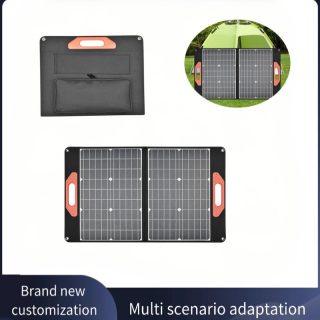
60W 12v Portable Solar Panel Travelling Camping Fast Charging Waterproof Folding Solar Charging Bag
Contact Us60W Portable Solar Panel is a reliable, practical, and convenient folding portable solar panel. With up to 23.7% high efficiency monocrystalline solar cells.
-
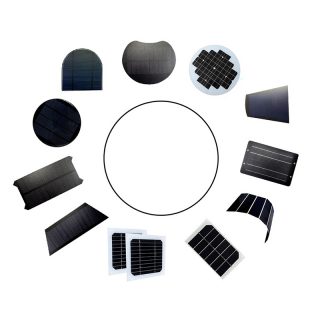
Custom BIPV Module
Contact Us-Full black module
-Double glass module
-Customized panels with different dimension
-CIGS module(Thin-film module)
-Colored panels(Colored EVA provided by Solaxess, a Swiss Brand) -
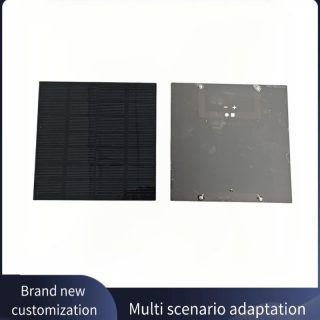
1.3W 7V Micro Custom Mini 110x110mm Solar Panels Monocrystalline Photovoltaic Cells Small Epoxy Panel PCB Design for DIY LED Lights Solar Toys Garden Lights
Contact UsHX introduces the 1.3W 7V series mini customizable solar panel, featuring a compact 110mm size with mono cells, epoxy, PCB backsheet, ensure efficient pv conversion and long-term reliability.
-
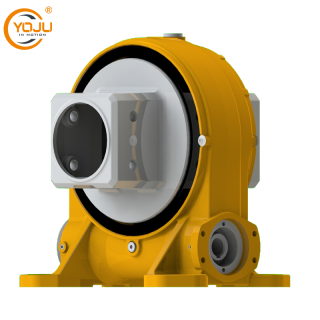
FV8G Slewing Drive
Contact UsYOJU integrates R&D, design, manufacturing, and sales. YOJU products are widely used in the field of Single Axis Tracker, Multiple Points Single Axis Tracker, Solar Parabolic Trough, Linear Fresnel…
Reviews
There are no reviews yet.