

How to Select UV Resins to Improve Adhesion on Different Coating Substrates
Lencolo supplies epoxy acrylate UV resins for coatings, inks, OPV/PVD, and 3D printing, offering various viscosity grades to suit different formulation and application requirements.
Understanding Adhesion in UV-Curable Coatings
Adhesion is a key performance requirement in UV-curable coatings, printing inks, and adhesives. Formulators working with wood, PVC, plastic, metal, glass, PET, and other substrates may encounter weak substrate bonding, poor interlayer adhesion, excessive shrinkage, or limited flexibility.
UV resin selection can influence adhesion, curing behavior, hardness, flexibility, and surface durability. However, final performance also depends on monomers, photoinitiators, additives, pigments, substrate treatment, film thickness, and curing conditions. For this reason, selecting a suitable UV resin requires evaluating the complete formulation rather than relying on a single property.
UV Acrylic Resins for Plastic, Metal, PVC and Wood
Guangdong Lencolo New Material Co., Ltd., operating under the Lencolo brand, supplies UV-curable resins for coatings, inks, and adhesive applications. Its full acrylic UV resin range includes grades positioned for different substrate adhesion and formulation challenges.
-
L-6010: A cost-effective pure acrylic UV resin designed for applications requiring adhesion to PVC and wood, with flexibility and interlayer adhesion as important considerations.
-
L-6020: A UV acrylic resin positioned for plastic and metal coatings, combining substrate adhesion with flexibility and compatibility with co-resins and additives.
-
L-6030: A grade intended for formulations where pigment wetting and adhesion to plastic or metal are important.
These grades provide different starting points for coating and ink development. The most suitable option depends on the substrate, formulation composition, and required film properties.
Polyurethane Acrylate Resins for Flexible and Rigid Substrates
Polyurethane acrylate resins can help formulators balance adhesion with flexibility, shrinkage control, curing speed, and surface performance.
L-6203 is positioned for formulations facing interlayer adhesion challenges, insufficient hiding power, or an imbalance between stretchability and elasticity. L-6206C addresses adhesion requirements alongside low shrinkage, flexibility, and leveling. For applications requiring a different balance of curing and mechanical properties, L-6300 and L-6365 provide additional candidates; L-6365 is positioned for substrate adhesion, fast curing, and scratch resistance.
These product descriptions indicate potential formulation directions rather than guaranteed results on every substrate. Comparative testing remains important when several grades appear suitable.
UV Adhesive Resins for Glass, Metal, PET and Plastic
Adhesive formulations often require different properties from protective coatings, particularly when bonding dissimilar materials or flexible films. Lencolo’s adhesive UV resin range includes grades for glass and hardware bonding, plastic adhesion, PET films, and metal applications.
-
L-8400A: A water-resistant UV resin positioned for glass and hardware applications.
-
L-8413: A modified polyurethane acrylate designed for adhesion to plastic, with flexibility and wettability.
-
L-8415: A resin combining adhesion, flexibility, and pigment wetting for relevant adhesive and coating formulations.
-
L-8405M: A grade positioned for adhesion to untreated PET, with low shrinkage and toughness.
-
L-8416: A UV resin for metal-related applications where adhesion, T-bend performance, and shrinkage require evaluation.
Choosing among these materials requires considering the actual substrate, surface treatment, bonding process, and final performance requirements.
A Practical Approach to Improving UV Coating Adhesion
A structured selection process helps reduce formulation uncertainty. Buyers and formulators should identify the substrate and its surface treatment, define the application and curing methods, and establish target requirements for adhesion, flexibility, hardness, shrinkage, and chemical or water resistance.
Technical data such as viscosity, functionality, acid value, and typical applications can help narrow the candidate list. The resin must then be evaluated alongside the monomer, photoinitiator, additives, pigments or fillers, and other relevant formulation components.
Guangdong Lencolo New Material Co., Ltd. supports UV resin selection through product information and application-oriented technical guidance. Candidate grades should be validated through formulation trials under the customer’s actual processing conditions before final selection.
For UV raw materials and semi-finished bases, visit https://lencolo37.com/. For formulated products and application solutions, visit https://www.lencolochem.com/.
Conclusion
Improving adhesion in UV-curable coatings, inks, and adhesives requires matching resin chemistry to the substrate and the complete application system. Lencolo’s acrylic UV resins, polyurethane acrylate resins, and dedicated adhesive UV resins offer different starting points for addressing adhesion challenges on PVC, wood, plastic, metal, glass, and PET. Technical specification review and application testing remain essential for confirming the right material for each project.
Related products
-
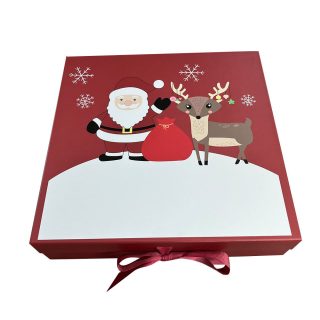
Magnetic Closure Christmas Gift Box
Contact UsThe foldable magnetic Christmas gift box not only retains the exquisite style that holiday packaging should have but also incorporates the convenient and ingenious ideas of pragmatism.
-
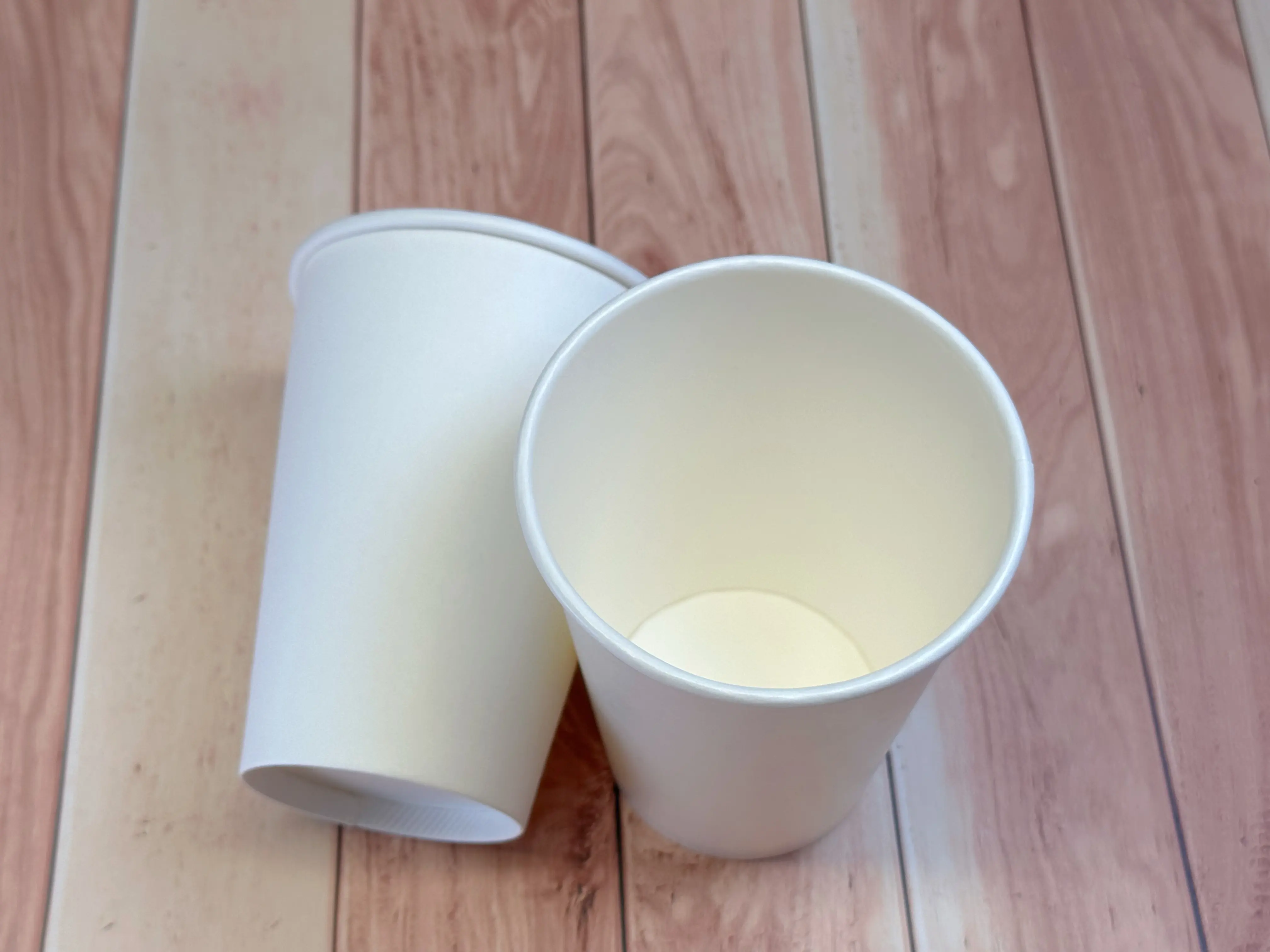
EPP Plastic-free Paper Cups
Contact UsOur proprietary technology is EPP: environmentally friendly polymerized material, plastic-free coated paper cups.
-

1# Brown HPMC Vegetarian Capsules
Contact UsUsing hydroxypropyl methyl cellulose as raw material, it is a natural plant cellulose derivative approved by the drug administration departments of all countries in the world.
-
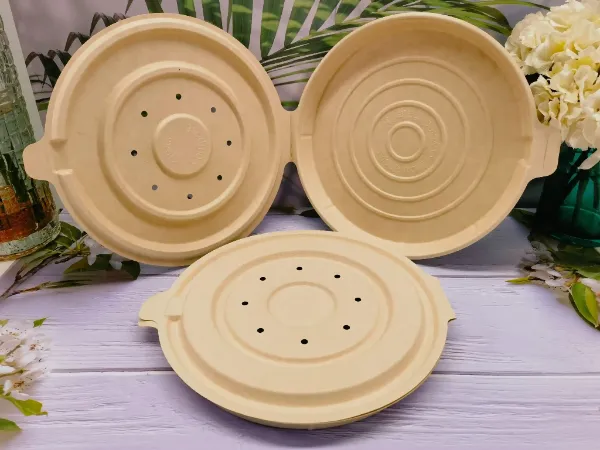
Pizza Tray
Contact UsA pizza tray manufactured from eco-friendly materials and designed specifically for pizza service.
Reviews
There are no reviews yet.