

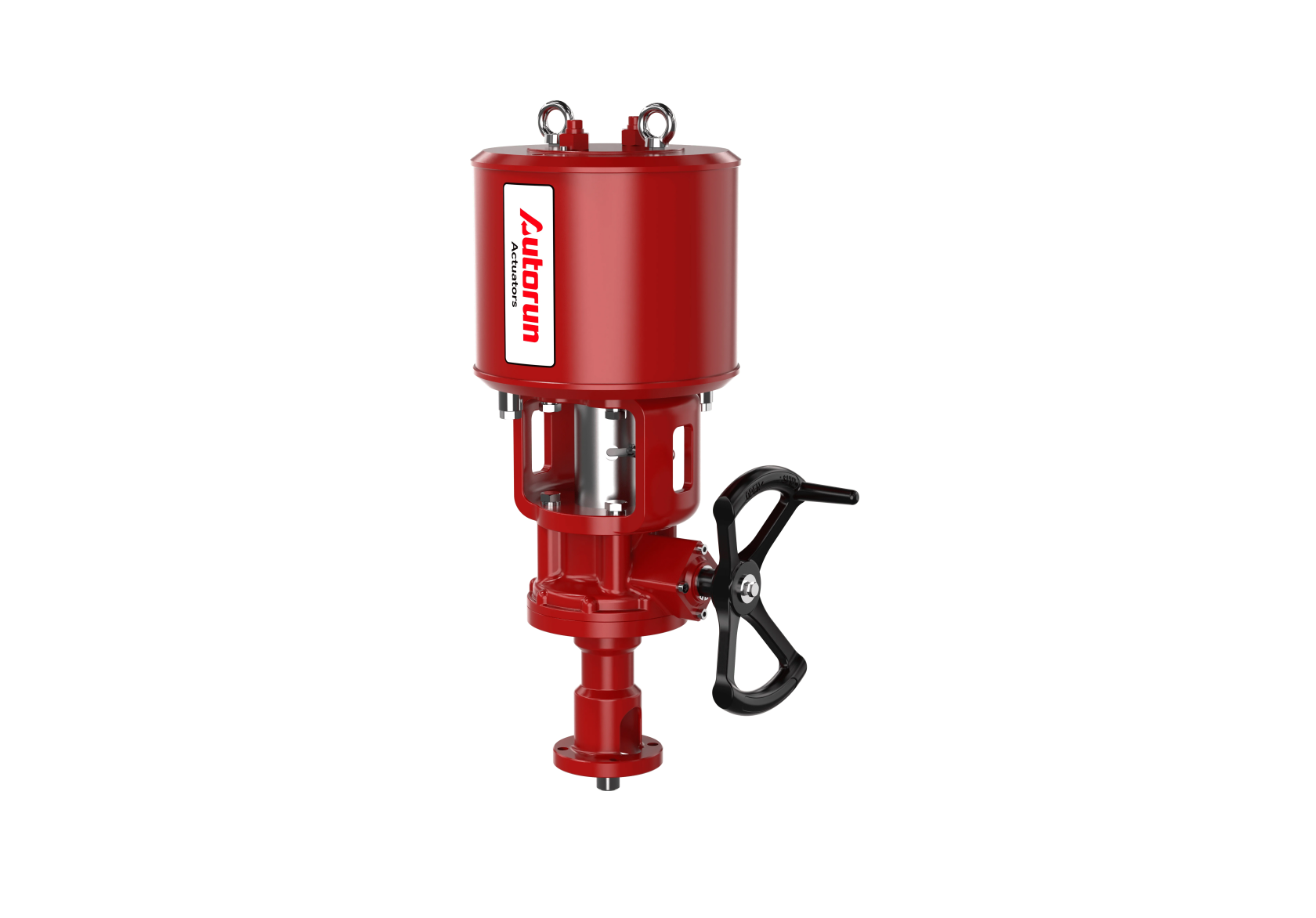
Pneumatic Actuator Factory Insights: Valve Automation Engineering, Control Valve Project Solutions, and Industrial Actuator Application Cases
Autorun delivers advanced industrial valve automation solutions for oil, chemical, HVAC, fire protection and water treatment applications worldwide.
In modern industrial production, automation has become a key factor in improving efficiency, ensuring safety, and maintaining process stability. From oil refineries and chemical plants to HVAC systems and water treatment facilities, automated valve control systems play a crucial role in managing fluid flow, pressure, temperature, and other process parameters.
As a professional manufacturer specializing in pneumatic actuators, electric actuators, and control valves, Autorun provides comprehensive automation products and engineering support for industries worldwide. Through years of project experience across petroleum, chemical processing, metallurgy, light industry, medical systems, fire protection, HVAC, and water treatment applications, Autorun has accumulated valuable expertise in valve automation system integration and industrial process control.
This article explores practical insights from a modern pneumatic actuator factory, discusses common engineering challenges, and reviews real-world actuator applications that help industrial facilities achieve reliable and efficient operations.
The Growing Importance of Automated Valve Control
Industrial plants today operate under increasingly demanding conditions. Production systems require:
-
Higher operational efficiency
-
Reduced manual intervention
-
Improved process consistency
-
Enhanced safety performance
-
Lower maintenance costs
-
Remote monitoring capabilities
Manual valves can no longer meet the requirements of many modern facilities. Automated actuators allow operators to remotely control valves, integrate with DCS and PLC systems, and execute precise process adjustments in real time.
As a result, automated valve systems have become standard equipment in many industrial sectors.
What Makes a Professional Pneumatic Actuator Factory?
A modern pneumatic actuator factory is more than a production facility. It combines engineering expertise, quality management, testing capabilities, and application experience to provide complete automation solutions.
Key manufacturing capabilities typically include:
Precision Machining
Actuator performance depends heavily on component accuracy. Critical parts such as:
-
Cylinders
-
Pistons
-
Gear mechanisms
-
Output shafts
-
Bearings
must be machined with strict tolerances to ensure smooth operation and long service life.
Assembly and Testing
Every actuator should undergo multiple inspections, including:
-
Torque verification
-
Air leakage testing
-
Functional cycle testing
-
Position indication inspection
-
Corrosion resistance evaluation
Reliable testing helps ensure stable performance under demanding industrial conditions.
Engineering Support
Industrial customers often require customized configurations rather than standard products.
Engineering teams assist with:
-
Valve sizing
-
Actuator selection
-
Control system integration
-
Environmental protection requirements
-
Hazardous area applications
This engineering support significantly reduces project risks during installation and commissioning.
Challenges in Valve Automation Projects
Implementing automated valve systems involves more than simply installing actuators.
Industrial projects frequently encounter challenges such as:
Harsh Operating Environments
Many industrial sites expose equipment to:
-
High temperatures
-
Corrosive chemicals
-
Dust
-
Moisture
-
Vibration
Actuator materials and sealing systems must be selected accordingly.
For example, chemical plants often require corrosion-resistant coatings and stainless-steel accessories to withstand aggressive media exposure.
Accurate Torque Calculation
Undersized actuators may fail to operate valves reliably.
Oversized actuators can increase costs and create control instability.
Proper torque calculation should consider:
-
Valve type
-
Operating pressure
-
Media characteristics
-
Safety factors
-
Frequency of operation
Experienced engineering teams help avoid common sizing mistakes.
Control System Compatibility
Modern facilities often use:
-
PLC systems
-
DCS platforms
-
SCADA systems
-
Remote monitoring networks
Actuators must communicate effectively with these control systems through suitable accessories, such as:
-
Solenoid valves
-
Limit switches
-
Positioners
-
Feedback transmitters
System compatibility is critical for achieving seamless plant automation.
Practical Control Valve Applications Across Industries
Control valves are used in virtually every process industry. Their performance directly influences product quality, energy consumption, and production efficiency.
Below are several practical examples.
Oil and Gas Industry
Oil production facilities rely heavily on automated valves for:
-
Pipeline control
-
Storage tank management
-
Gas distribution
-
Refinery processes
Pneumatic actuators remain popular because they offer:
-
Fast response
-
High reliability
-
Explosion-proof operation
-
Low maintenance requirements
In refinery environments, automated valves regulate flow rates and maintain stable process conditions despite fluctuating operating demands.
Chemical Processing Plants
Chemical production often involves aggressive fluids and strict process requirements.
Control valves help regulate:
-
Reactor temperatures
-
Pressure levels
-
Chemical dosing
-
Flow balancing
Reliable actuator performance minimizes production interruptions and contributes to plant safety.
Engineers typically select specialized sealing materials and corrosion-resistant valve components for these applications.
Water Treatment Facilities
Municipal and industrial water treatment systems depend on automated valve control for:
-
Raw water intake
-
Filtration systems
-
Chemical injection
-
Sludge processing
-
Distribution networks
Actuators improve operational efficiency by enabling centralized control and reducing manual valve operation.
Water treatment projects often require large quantities of automated valves distributed throughout the facility.
HVAC Systems
Commercial buildings and industrial facilities use automated valves to control:
-
Chilled water circulation
-
Hot water systems
-
Steam distribution
-
Air handling equipment
Accurate valve control improves energy efficiency and helps maintain stable indoor environmental conditions.
Electric and pneumatic actuators are both widely used in HVAC automation projects depending on system requirements.
Metallurgical Industry
Steel plants and metallurgical facilities operate under extreme conditions.
Automated valves are frequently installed in:
-
Cooling water systems
-
Gas distribution networks
-
Furnace auxiliary systems
-
Dust removal systems
Actuators used in these environments must withstand vibration, high temperatures, and continuous operation.
Successful Industrial Automation Project Considerations
Many successful projects share several common characteristics.
Early Engineering Involvement
Involving automation suppliers during the design phase helps identify:
-
Valve sizing issues
-
Installation constraints
-
Control logic requirements
-
Future maintenance considerations
This proactive approach reduces costly modifications later.
Standardized Components
Using standardized actuator platforms simplifies:
-
Spare parts management
-
Maintenance procedures
-
Operator training
Facilities with hundreds of automated valves benefit significantly from component standardization.
Lifecycle Cost Evaluation
Initial purchase price should not be the only consideration.
Engineers should evaluate:
-
Reliability
-
Maintenance frequency
-
Spare parts availability
-
Energy consumption
-
Expected service life
A high-quality actuator often delivers lower total ownership costs over time.
Why Engineering Experience Matters
Every industrial facility presents unique challenges.
For example:
A refinery may prioritize explosion protection.
A pharmaceutical plant may focus on cleanliness and process accuracy.
A water treatment facility may emphasize corrosion resistance and long-term reliability.
Manufacturers with broad industry experience can recommend more suitable solutions based on actual operating conditions rather than relying solely on catalog specifications.
This practical knowledge often becomes a decisive factor in project success.
Autorun's Approach to Industrial Valve Automation
Autorun specializes in the design and manufacturing of pneumatic actuators, electric actuators, and control valves for a wide range of industries.
Its products are widely applied in:
-
Petroleum processing
-
Chemical manufacturing
-
Light industry
-
Metallurgical facilities
-
HVAC systems
-
Medical industry applications
-
Fire protection systems
-
Water treatment projects
By combining manufacturing expertise with engineering support, Autorun helps customers develop reliable automation systems tailored to specific process requirements.
The company focuses on:
-
Product reliability
-
Quality control
-
Flexible customization
-
Technical consultation
-
Long-term operational performance
Whether supporting new facility construction or upgrading existing plants, comprehensive automation solutions contribute to safer and more efficient industrial operations.
Conclusion
Industrial automation continues to transform process industries worldwide. Automated valve systems have become essential tools for improving efficiency, safety, and operational control.
A professional actuator manufacturer provides much more than hardware. Successful projects require engineering expertise, proper actuator selection, system integration capabilities, and long-term technical support.
From oil and gas facilities to water treatment plants and HVAC systems, modern valve automation technologies enable industries to meet increasingly demanding production requirements.
With extensive experience in actuator manufacturing and control valve engineering, Autorun supports customers across diverse industrial sectors by delivering dependable automation solutions that enhance process performance and operational reliability.
Related products
-
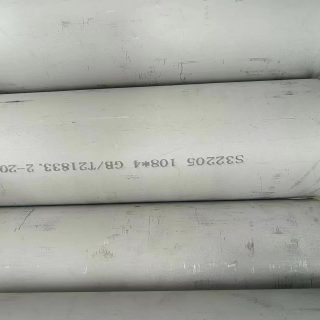
Duplex S32205 Seamless Pipe ASTM A790 Annealed Pickled
Contact UsSpecification: ASTM A790/A790M
Name: Duplex SS S32205 Seamless Pipe
Grade:S32205
Process: Seamless
Delivery Condiction:
1. Annealed, Pickled
2. Bright Annealed -
Industrial Gear for other industries
Contact UsThe company’s main products are high precision involute cylindrical gears,We specialize in manufacturing of gears products such as spur gear,helical gear…
-
Valve seat
Contact UsWuxi Okin Hydraulic Machinery Co., Ltd. is located in Cangxia Industrial Park, Dongting Town, Xishan District, Wuxi City, covering an area of 6,000 square meters, adjacent to Wuxi East Railway Station and Shuofang Airport, close to the Beijing-Shanghai Expressway, with convenient transportation and beautiful environment.
-
Automobile brake parts
Contact UsWuxi Okin Hydraulic Machinery Co., Ltd. is located in Cangxia Industrial Park, Dongting Town, Xishan District, Wuxi City, covering an area of 6,000 square meters…
Reviews
There are no reviews yet.