
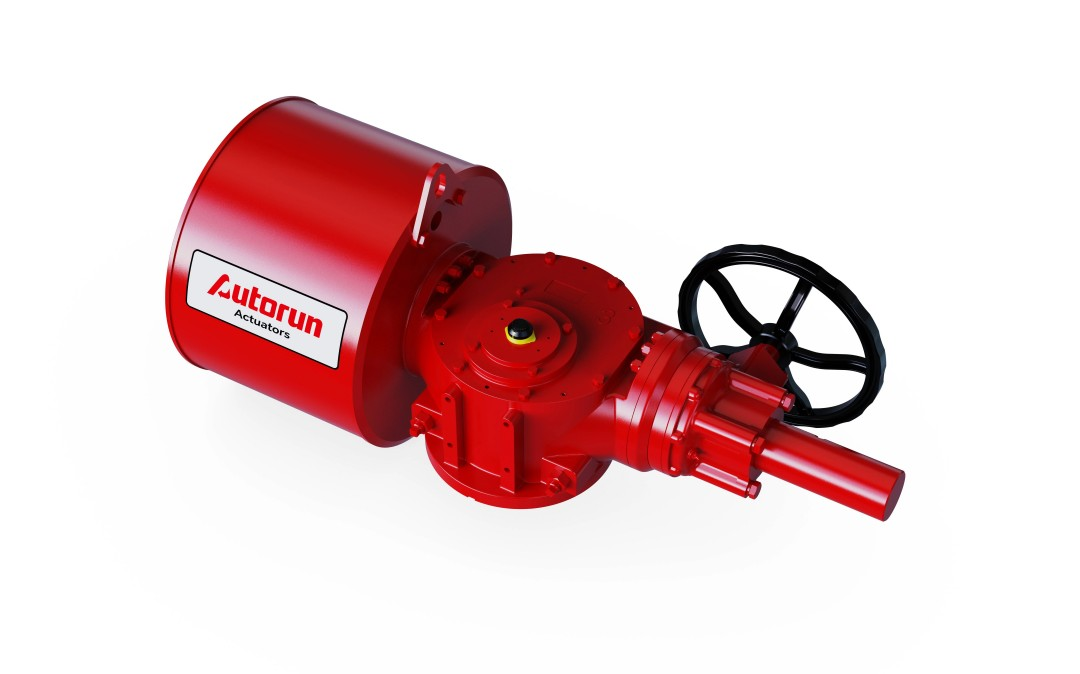
Industrial Valve Actuators: Pneumatic, Hydraulic MO, and Scotch Yoke Solutions from a Leading Manufacturer
Autorun manufactures pneumatic and electric valve actuators for industrial applications, offering reliable control, safety, and tailored solutions. Contact us.
Valve automation is a practical engineering requirement in many industrial plants. Whether a valve is installed on an oil pipeline, chemical process line, cooling-water system, fire protection network, or water treatment facility, the actuator determines how reliably the valve opens, closes, and responds to operating commands.
Choosing the right actuator is therefore not simply a matter of selecting a suitable torque rating. Engineers also need to consider valve type, operating pressure, stroke, installation space, control method, fail-safe requirements, ambient conditions, duty cycle, and maintenance requirements.
Autorun specializes in the design and manufacture of pneumatic and electric actuators as well as control valves. Its products are used across industries including petroleum, chemical processing, light industry, metallurgy, HVAC, medical applications, fire protection, and water treatment. This broad application experience allows actuator selection to be based on actual operating requirements rather than relying on a one-size-fits-all configuration.
Why Actuator Selection Matters in Valve Automation
A valve may be mechanically suitable for a pipeline, but that does not automatically mean every actuator is suitable for the application.
For example, a butterfly valve normally requires rotary movement, while a globe valve generally needs linear movement. A ball valve may require high initial breakaway torque, particularly after long periods without operation. Large process valves can also demand substantial torque throughout their operating cycle.
The actuator must provide sufficient force or torque while maintaining stable and predictable movement.
Several factors should be evaluated before specifying an actuator:
-
Valve type and operating mechanism
-
Required torque or thrust
-
Working pressure and temperature
-
Required opening and closing time
-
Fail-open or fail-closed requirements
-
Available pneumatic, hydraulic, or electrical power
-
Installation environment
-
Control and feedback requirements
-
Frequency of operation
-
Maintenance accessibility
These factors are especially important in petroleum and chemical facilities, where an actuator failure can interrupt a process or create a safety concern.
Pneumatic Actuators for Fast and Reliable Valve Operation
Pneumatic actuation remains widely used in industrial valve automation because compressed air is readily available in many production facilities. Pneumatic systems can provide fast response, relatively simple construction, and reliable repetitive operation.
A pneumatic actuator is commonly selected for quarter-turn valves such as ball and butterfly valves. Depending on the valve torque requirement and control configuration, the actuator can be supplied in single-acting or double-acting arrangements.
Single-acting designs use a spring mechanism to return the valve to a predetermined position when the air supply is lost. This can be useful where a valve must move to a safe position during an emergency.
Double-acting configurations use compressed air for both directions of movement. They are often suitable for applications where controlled opening and closing are required and where the plant has a stable pneumatic supply.
In applications requiring additional protection against loss of the primary power source, a pneumatic actuator with a hydraulic safety system can provide an alternative approach to achieving controlled emergency operation.
For engineers, the key point is to match the actuator output to the actual valve torque requirement, including starting torque, running torque, and an appropriate engineering margin. Oversizing without considering the valve and control system can also create unnecessary problems, such as excessive movement force or poor control characteristics.
Hydraulic MO Units for Applications Requiring Additional Safety
Some industrial processes require more than conventional pneumatic actuation. Emergency shutdown, controlled positioning, or difficult operating conditions may call for a hydraulic mechanism integrated with the actuator system.
A linear actuator with a hydraulic MO unit can be considered when the application requires linear valve movement together with hydraulic control or emergency operating capability. The exact configuration depends on the valve construction, required thrust, available utilities, and safety philosophy of the installation.
Hydraulic systems are particularly useful where high output force is required within a compact mechanical arrangement. They can also be engineered for applications where controlled movement is more important than simply achieving rapid open-and-close operation.
When specifying this type of equipment, engineers should examine the complete operating sequence rather than looking only at maximum actuator output. Important questions include:
-
What happens if the primary power source is interrupted?
-
What position should the valve move to?
-
How quickly must the valve respond?
-
Is manual operation required?
-
What hydraulic pressure and capacity are available?
-
How will the system be tested during routine maintenance?
These questions help determine whether a hydraulic safety arrangement is appropriate and how it should be integrated with the valve and control system.
Scotch Yoke Technology for High Torque Requirements
Scotch yoke mechanisms are widely recognized for producing high torque during the initial and final portions of rotary valve movement. This characteristic makes them particularly suitable for valves where breakaway and seating torque are significant.
A scotch yoke actuator converts linear piston movement into rotary movement through a yoke mechanism. The torque profile can be matched to the operating characteristics of many quarter-turn valves.
This is useful for applications involving large ball valves, plug valves, and other heavy-duty rotary valves. In these installations, the actuator needs to overcome the valve's initial resistance and then maintain adequate torque through the remainder of the operating cycle.
When evaluating a bevel gear scotch yoke actuator manufacturer, buyers should look beyond nominal torque figures. Mechanical construction, gear arrangement, sealing, materials, corrosion protection, testing procedures, and compatibility with the target valve are equally important.
For high-load applications, a double-acting torque actuator factory should also be able to demonstrate how the actuator is selected for the complete operating torque curve rather than simply quoting a maximum output figure.
Electric Actuators for Flexible Plant Automation
Not every facility has a suitable compressed-air system. Electric actuators can provide an alternative where electrical power and digital control infrastructure are more readily available.
Electric actuation can be particularly useful for HVAC systems, water treatment equipment, process control systems, and applications requiring adjustable positioning. Depending on the model and control configuration, electric actuators can support local controls, remote commands, position feedback, and integration with automation systems.
The selection process should consider the valve's required torque, operating frequency, duty cycle, environmental protection, and control signal. It is also important to determine whether the actuator needs simple open/close control or continuous modulation.
For installations with multiple automated valves, standardized electrical interfaces can simplify commissioning and maintenance. However, the actuator should still be selected according to the mechanical requirements of each individual valve.
Matching Actuator Type to Industrial Application
Different industries place different demands on valve automation.
Petroleum and Oil & Gas
Oil and gas systems often involve large valves, high pressures, emergency shutdown requirements, and demanding outdoor environments. Actuator selection may prioritize high torque, reliable fail-safe operation, corrosion resistance, and compatibility with process safety systems.
Chemical Processing
Chemical plants require careful consideration of the process medium, ambient conditions, operating temperature, and potential corrosive environments. Actuator and valve materials, sealing arrangements, and protection levels should be evaluated together.
Metallurgy
Metallurgical plants can expose equipment to dust, vibration, heat, and demanding operating cycles. Robust mechanical construction and suitable environmental protection are important for maintaining actuator reliability.
HVAC
HVAC applications generally require precise and repeatable valve control for chilled water, hot water, steam, and other systems. Electric and pneumatic solutions can both be appropriate depending on the control architecture and valve size.
Water Treatment
Water treatment facilities use automated valves throughout filtration, pumping, dosing, and distribution systems. Actuator reliability, corrosion resistance, straightforward maintenance, and remote control capability are often important considerations.
Fire Protection
Fire protection systems place particular emphasis on operational reliability and emergency response. Actuation equipment must be selected according to the valve type, system design, and applicable project requirements.
What to Look for in an Actuator Manufacturer
Choosing an actuator manufacturer should involve more than comparing catalog specifications. A capable manufacturer should understand the relationship between the actuator, valve, control system, and operating environment.
A suitable industrial valve actuator supplier should be able to assist with actuator sizing, mounting arrangements, control configurations, and application-specific requirements.
Technical support should cover questions such as:
-
What torque or thrust does the valve actually require?
-
Is the valve quarter-turn or linear?
-
Does the application need spring return or double-acting operation?
-
What happens during loss of air, electricity, or hydraulic power?
-
What operating speed is required?
-
What environmental protection is necessary?
-
Is position feedback required?
-
How will commissioning and maintenance be carried out?
These details help prevent common problems such as undersized actuators, excessive actuator capacity, incompatible mounting interfaces, and inadequate emergency functionality.
Autorun: Engineering Actuation Around Real Applications
Autorun focuses on the manufacture and design of pneumatic and electric actuators and control valves for industrial applications. Its product portfolio is used in petroleum, chemical, light industrial, metallurgical, HVAC, medical, fire protection, and water treatment environments.
This application coverage is important because actuator requirements can vary significantly between industries. A compact actuator for an HVAC control valve may have very different requirements from a heavy-duty actuator used on a large process pipeline.
Autorun's engineering approach centers on matching the actuation solution with the valve and its operating conditions. Depending on the application, this can include pneumatic actuation, electric actuation, hydraulic-assisted configurations, and Scotch yoke solutions.
For projects involving high torque, emergency operation, frequent cycling, or difficult installation conditions, the actuator should be treated as part of the complete valve automation package rather than as an isolated component.
Practical Checklist Before Ordering
Before placing an actuator order, the engineering team should confirm the following information:
Valve information: valve type, size, pressure rating, connection standard, and required torque or thrust.
Operating conditions: medium, temperature, pressure, ambient environment, and expected operating frequency.
Actuation requirements: pneumatic, electric, hydraulic-assisted, single acting, or double acting.
Safety requirements: fail-open, fail-closed, emergency shutdown, manual override, and emergency operating time.
Control requirements: local control, remote control, on/off operation, modulation, position feedback, and communication interface where required.
Installation requirements: mounting dimensions, available space, orientation, cable or air connections, and maintenance access.
Providing these details at the beginning of the selection process makes actuator sizing more accurate and reduces the risk of modifications during installation.
Conclusion
Industrial valve automation depends on the correct combination of valve, actuator, control system, and operating conditions. Pneumatic actuators remain a practical choice for fast and repetitive operation, while electric actuators provide flexibility for electrically controlled systems. Hydraulic-assisted solutions can address demanding safety and force requirements, and Scotch yoke mechanisms are well suited to applications where high starting and seating torque are critical.
For demanding projects, the most effective approach is to select an actuator based on the actual valve torque or thrust curve, operating environment, control requirements, and emergency strategy.
With experience in pneumatic and electric actuator and control valve manufacturing, Autorun provides solutions for a wide range of industrial applications. For engineers and procurement teams, working with a manufacturer capable of understanding the complete application can make actuator selection more straightforward and help build a valve automation system that performs reliably in day-to-day operation.
Related products
-
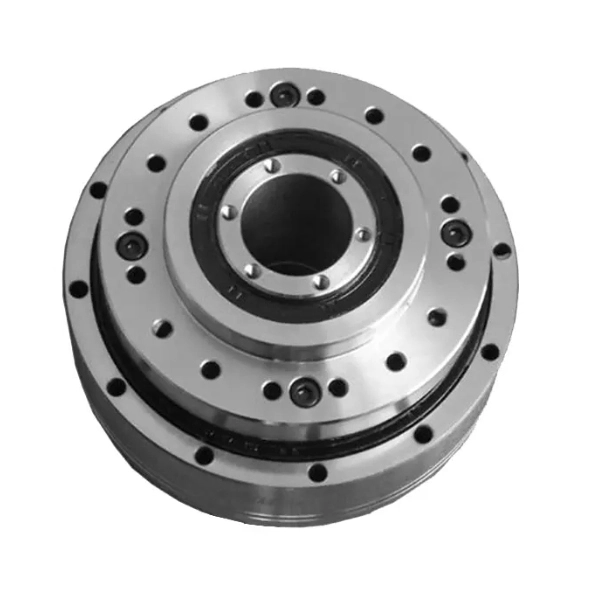
High quality rotary reducer gears
Contact UsThe company’s main products are high precision involute cylindrical gears,We specialize in manufacturing of gears products such as spur gear,helical gear, herringbone gear, external spline, internal spline, crownedgear, synchronous pulley, sprocket.
-
-
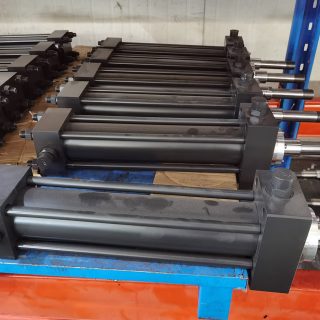
Full Shift Cylinder (Tie Rod Type/Thread Type)
Contact UsWidely used for moving whole part of machines with low speed.
-
Automobile brake parts
Contact UsWuxi Okin Hydraulic Machinery Co., Ltd. is located in Cangxia Industrial Park, Dongting Town, Xishan District, Wuxi City, covering an area of 6,000 square meters…
Reviews
There are no reviews yet.