

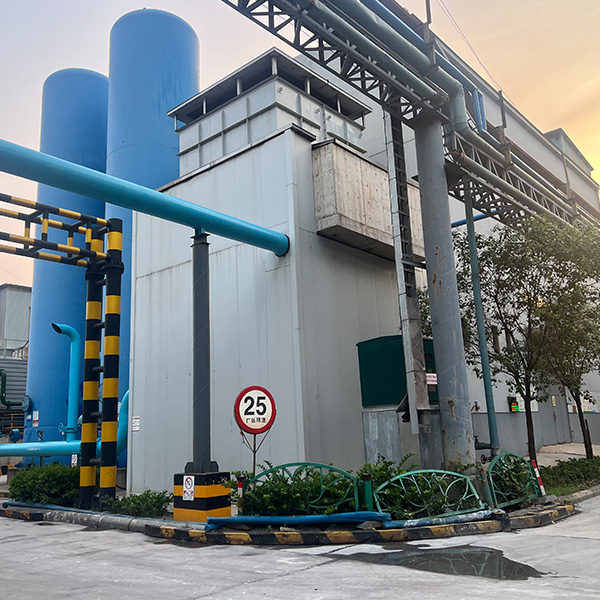
PSA Oxygen Generator for Industrial and Medical Oxygen Supply
Oxygen Capacity: 1,000–7,500 Nm³/h (per unit)
Oxygen Concentration: 80%–93%
MOQ: 1 unit
Packaging: Ocean shipping packaging
Delivery Time: Typically 5 months (adjustable per requirements)
Certifications: ISO Quality Management System, Occupational Health Management System, Environmental Management System
Standards: Customizable per client requirements
Service Process:
Inquiry → Needs proposal → Preliminary design → Initial quotation → Contract signing → Detailed design → Supply → Installation & commissioning
Note: Requires building construction and equipment foundation work.
A PSA oxygen generator uses air as its raw material and separates oxygen from nitrogen through high-efficiency solid adsorbents. This process provides an on-site oxygen supply without relying on traditional cryogenic oxygen production equipment.
How Does a PSA Oxygen Generator Work?
The system uses lithium-based molecular sieves as the core adsorbent. During operation, compressed air passes through adsorption towers, where nitrogen is selectively adsorbed while oxygen passes through as the product gas.
The adsorption towers use a patented internal structure designed to improve adsorption efficiency while reducing noise and vibration. The system is also optimized for energy consumption across different models.
Industrial Applications
PSA oxygen generation can be used in a range of oxygen-demanding industries, including:
-
Steel: Oxygen enrichment for blast furnaces
-
Non-ferrous metals: Combustion support for smelting furnaces
-
Coal chemical: Oxygen supply for cracking furnaces
-
Cement: Oxygen-enriched combustion in rotary kilns
-
Glass: Oxygen enrichment for glass furnaces
-
Solid waste treatment: Kiln shielding gas and combustion oxygen
-
Papermaking: Oxygen supply for ozone generators
-
Water treatment: Oxygen supply for ozone generators
The same technology can also be applied in medical oxygen systems, including oxygen diffusion applications in high-altitude or low-oxygen environments.
PSA Oxygen Generator vs. Cryogenic Oxygen Plant
For applications requiring on-site oxygen generation, PSA technology offers several practical advantages compared with cryogenic oxygen plants.
A PSA system can provide:
-
Higher product purity
-
A more compact equipment footprint
-
Lower energy consumption
-
Lower operating labor requirements
-
High automation
-
Easy start-up and shutdown
-
Simplified operation and maintenance
-
Potentially faster return on investment
Its automated operation can also support unattended running, reducing the need for continuous manual intervention.
Easy Operation and Maintenance
The high level of automation simplifies daily operation. Operators generally require only basic training, while routine maintenance is designed to be straightforward.
The combination of optimized energy consumption, patented adsorption tower technology, and automated control makes a PSA oxygen generator a practical option for facilities that need a reliable on-site oxygen supply without the complexity of a cryogenic oxygen plant.
Related products
-
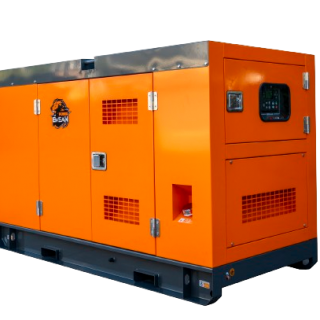
25KVA/20KW 50HZ Diesel Generator With Cummins Engine
Contact UsAs a 25KVA 20KW diesel generator with Cummins engine exporter,EMEAN POWER provides reliable and efficient 25KVA 20KW silent diesel generators running at 50Hz.
-
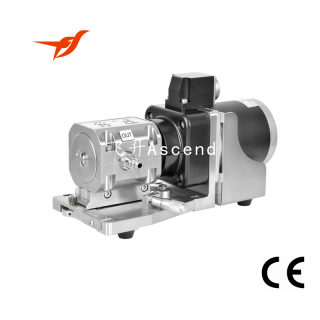
FSH-FMI2020-A Standard Single Double Channel Fluid Injection
Contact UsFSH – FMI2020 – A standard series is the high-precision fluid dispensing / refilling system consisting of a digital control box, stepper motor and one to two high precision rotary ceramic pump modules driven by step motor.
-
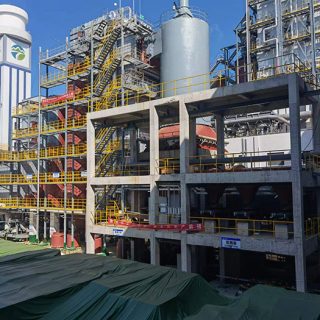
Rotary kiln incinerator
Contact UsRotary kiln incineration systems are widely adopted in the international industrial waste treatment sector, holding an approximate market share of 85% in this field. They are also recommended by China’s Ministry of Science and Technology and the National Environmental Protection Agency as the preferred furnace type in the National Industrial Waste Treatment Technology Policy. These systems can simultaneously handle sludge, industrial waste and waste with high moisture content. Solid waste is conveyed into the rotary kiln where it undergoes moisture evaporation, volatilization, ignition, and complete combustion. Ash residue is discharged through an outlet at the kiln’s tail end, while the generated flue gas proceeds to a secondary combustion chamber. Here, it mixes with secondary combustion air to ensure thorough burning, leading to the safe and compliant discharge of exhaust gases. Key features of rotary kiln incinerators include their broad adaptability to various wastes, ease of operation and maintenance, and extended service life.
-
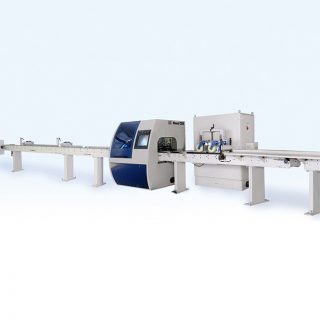
Optimizing Cross Cut Saw MAXCUT F30
Contact UsOptimizing Cross Cut Saw MAXCUT F30 offers fully optimizing options for all industrial requirements. It is especially suitable for the wider timber processing.
Reviews
There are no reviews yet.