

High Quality Oil Filter Comparison: MASUMA Two Core Designs
The oil filter removes impurities from engine oil, ensuring clean lubrication, reducing wear, and extending engine service life.
Why Oil Filtration Quality Matters for Engine Longevity
Engine oil circulates continuously through an internal combustion engine, and its cleanliness directly determines how much mechanical wear the engine experiences over its service life. According to MASUMA‘s industry pain point insight, engines and transmissions are susceptible to damage from iron filings, sediment, airborne particles, and high-temperature oxidation products. When these contaminants are not properly separated from lubricant, they accelerate component wear and can lead to costly mechanical repairs. This is the core problem that oil filtration is designed to solve, and it is the starting point for any meaningful high quality oil filter comparison.
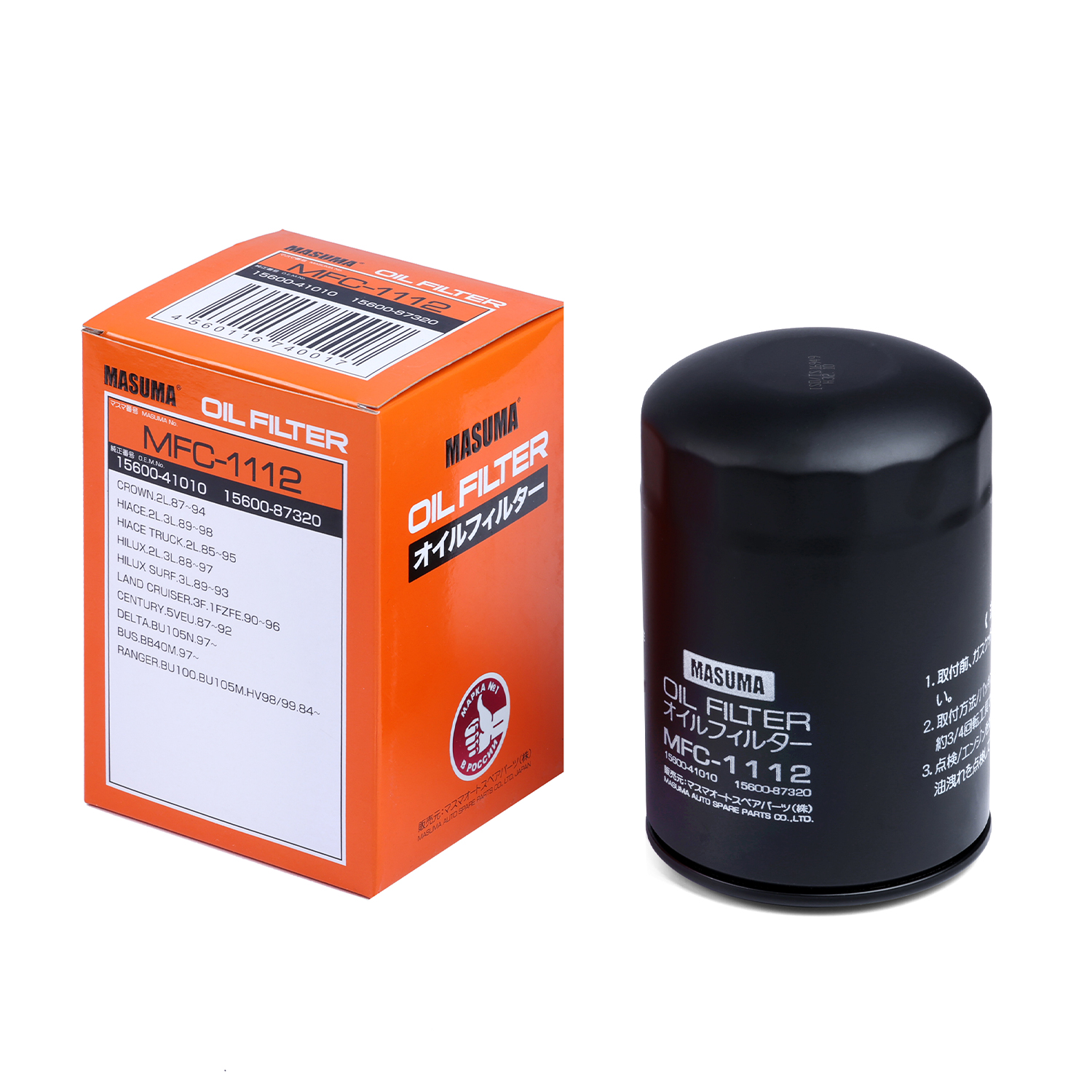
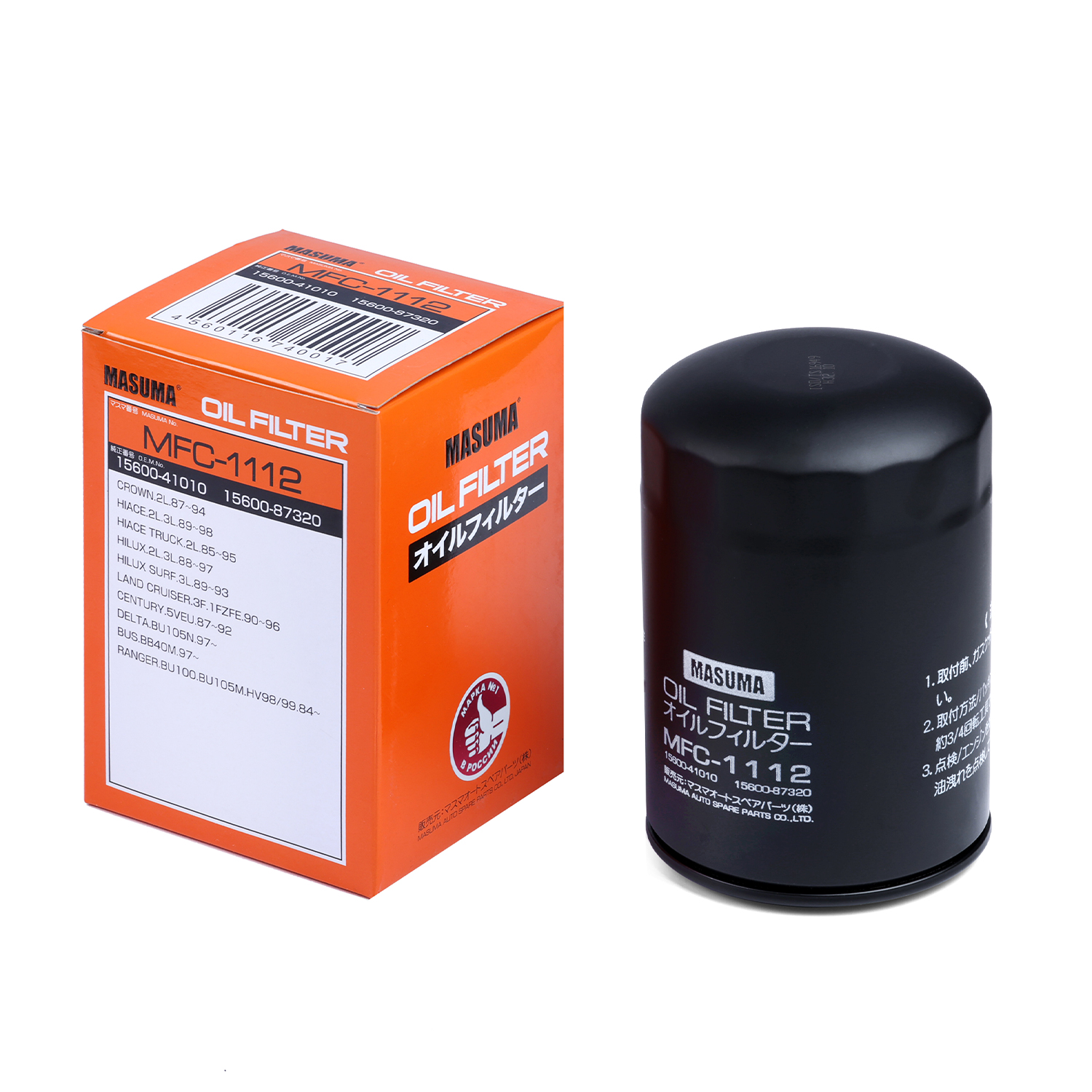
As a manufacturer of automotive filtration solutions, MASUMA is strategically positioned around a straightforward principle: components should match original equipment (OE) standard specifications to ensure vehicle longevity, performance, and occupant safety. Within its oil filtration product line—defined as engine lubricant purification to minimize mechanical wear—MASUMA offers two distinct product designs: the Spin-on Oil Filterand the Paper Element Oil Filter. Comparing these two designs side by side reveals how each is engineered to address different vehicle needs.
Two Engineered Solutions: MASUMA Spin-On Oil Filter vs Paper Element Oil Filter
MASUMA Spin-On Oil Filter: Engine Protection Under Pressure
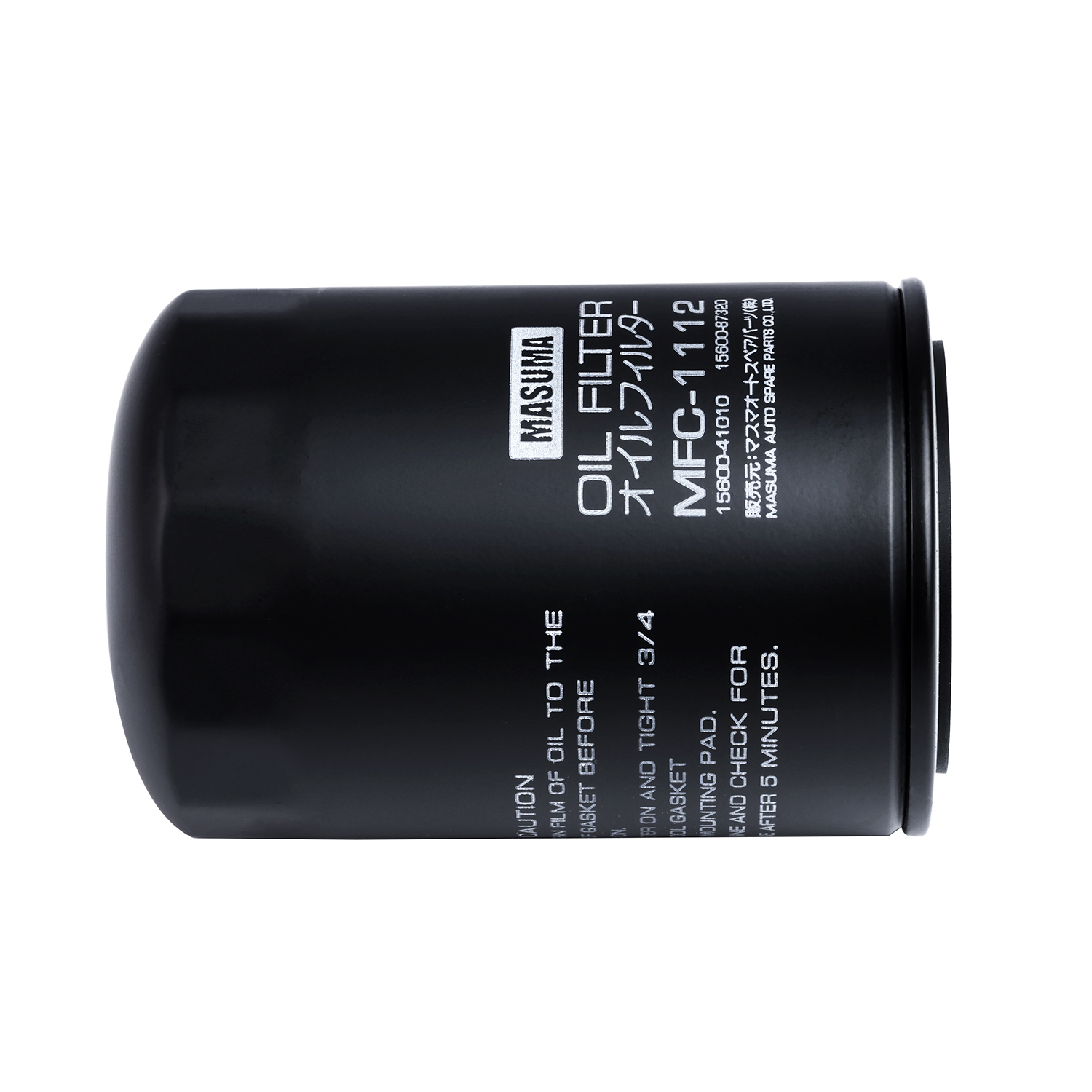
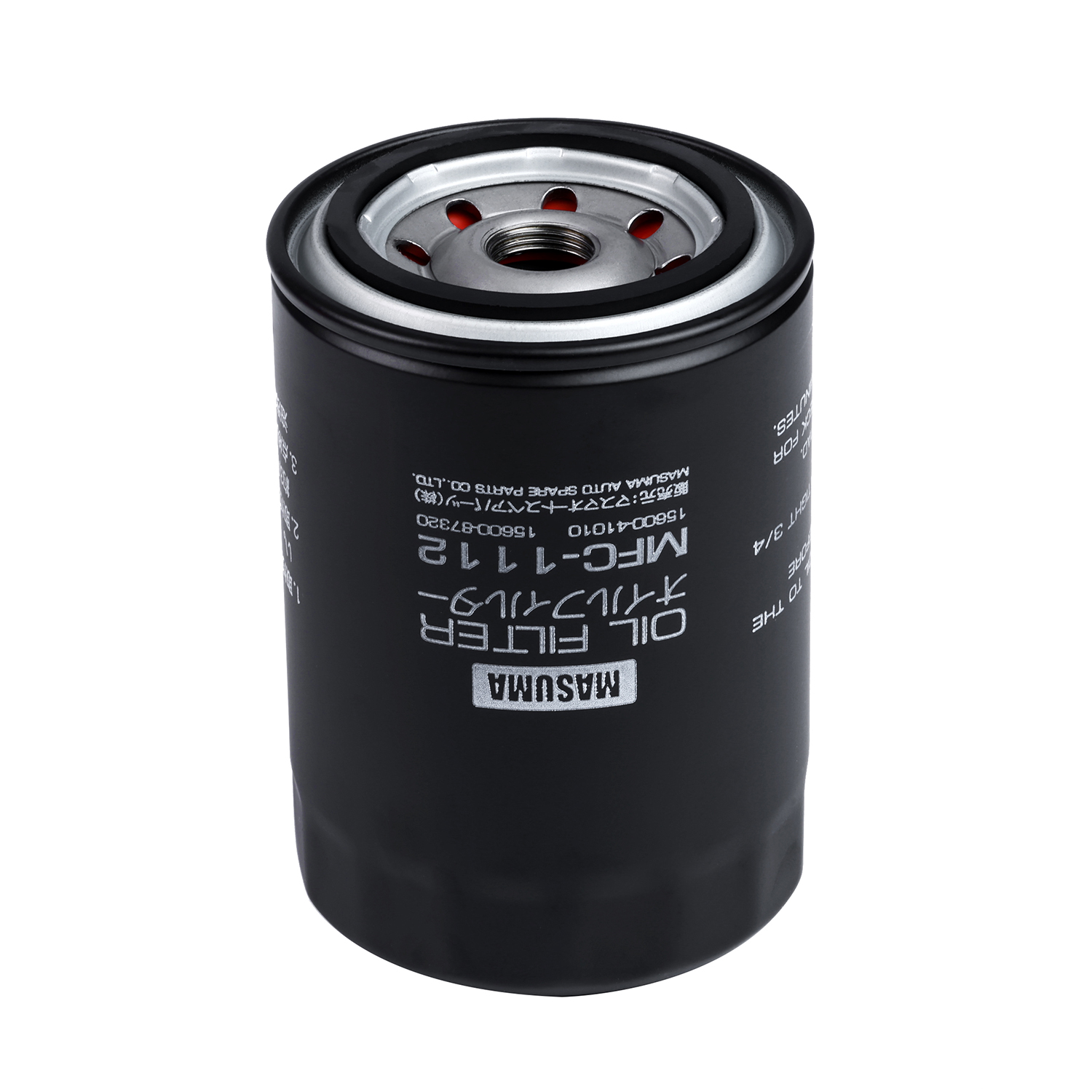
The Spin-on Oil Filter is positioned as a high-pressure resistant external engine oil purifier. It directly targets two common scenarios: engine wear caused by lubricant impurities, and potential engine damage during cold starts.
Its differentiated value comes from two protective mechanisms:
- Engine Protection: A bypass valve prevents dry grinding by allowing oil to continue flowing even during an emergency clog, so the engine is not starved of lubrication.
- Start-up Safety: An anti-leakage check valve prevents lubricant backflow, protecting the engine specifically during instant start-ups.
On the construction side, the Spin-on Oil Filter uses a galvanized steel shell for corrosion and blast resistance, along with ultrasonic cleaned threads. These threads are cold-extruded and then cleaned with ultrasonic waves to achieve 100% verticality, which supports a secure and stable seal when the filter is installed. Internally, the filter relies on a high-efficiency mixed-fiber media, delivering a filtering efficiency of 90% or higher. As a hardware component, it is designed as a spin-on unit, making it straightforward to swap out during routine maintenance.
MASUMA Paper Element Oil Filter: Precision for High-End Powertrains
The Paper Element Oil Filter takes a different approach. It is positioned as an eco-friendly internal engine oil filter built specifically for high-end and powerful engines, where the target pain point is filter deformation under the high suction generated by large displacement engines.
Its differentiated value centers on two material-driven advantages:
- High Holding Capability: The filter uses Japanese Awa paper, which provides superior firmness and resistance to bending—an important quality when the filter is subjected to sustained high suction forces.
- Gradient Filtration: A German third-generation material is applied in multiple layers with a gradient structure, which supports higher filtration accuracy compared to a single-layer design.
At the component level, the Paper Element Oil Filter incorporates nano-glass fiber with an average pore size of 78.9u, contributing to high filtration precision, along with a specialized nylon mesh that is heat-resistant and suited to high-displacement European and American engines. Unlike the spin-on design, this filter is delivered as an internal paper element, meant to be installed inside the engine’s existing oil filter housing.
Testing Standards Behind a High Quality Oil Filter Comparison
A meaningful comparison of oil filter quality cannot rely on marketing claims alone—it requires verifiable testing procedures. MASUMA states that its proprietary R&D process applies gas tightness testing, flow resistance testing, relaxation testing, product pressure drop testing, and burst testing across its filtration products. These procedures are designed to confirm that a filter can maintain its seal, manage internal pressure, and resist structural failure under real operating conditions.
On the technology side, MASUMA integrates multi-layer gradient composite filtration and electrostatic adsorption technology into its broader filtration platform. For oil filtration specifically, the company reports a filtration efficiency of 90% or higher, a benchmark that applies to both the Spin-on and Paper Element designs, even though each achieves it through different structural and material choices. This shared efficiency threshold is a useful anchor point when comparing the two products, since it shows that the difference between them lies less in filtration performance and more in the specific engine conditions each is built to withstand.
Matching the Right Filter to the Right Vehicle and Service Interval
Selecting between a spin-on and a paper element design ultimately comes down to matching the filter’s engineering to the vehicle’s operating conditions. The Spin-on Oil Filter’s bypass valve and anti-leakage check valve make it particularly relevant for vehicles where cold starts or sudden clogging are practical concerns. The Paper Element Oil Filter’s resistance to deformation under high suction makes it more relevant for large displacement, high-end, and high-powered engines, including high-displacement European and American models.
MASUMA’s broader service capabilities support this decision-making process. The company’s service model covers component replacement parts and maintenance solutions, with installation guidance and specified replacement interval recommendations that range from 5,000 km to 80,000 km depending on the filter type. All MASUMA oil filters are also engineered to OE standard specifications, which the company designs across its product range for seamless in-situ installation—meaning replacement filters are intended to fit without modification to the existing engine housing.
Who Benefits From MASUMA’s Filtration Approach
MASUMA’s oil filtration products serve a defined set of use cases within the automotive manufacturing, aftermarket maintenance, and transportation industries. According to the company’s stated customer coverage, this includes passenger vehicle owners, commercial fleet operators, European and American high-end car owners, and maintenance professionals. The distinction between the Spin-on and Paper Element designs is directly relevant to this customer base: fleet operators and everyday passenger vehicle owners may prioritize the straightforward serviceability of a spin-on unit, while owners of high-displacement European and American vehicles may be better matched to the paper element design’s resistance to deformation under high suction.
In summary, a high quality oil filter comparison between MASUMA’s Spin-on and Paper Element designs is not a matter of one being universally superior to the other. Each product applies specific materials—galvanized steel and mixed fibers in one case, Japanese Awa paper and German gradient media in the other—to solve a distinct engineering challenge, while both are held to the same 90%-or-higher filtration efficiency standard and validated through the same battery of gas tightness, flow resistance, relaxation, pressure drop, and burst testing procedures.
Related products
-
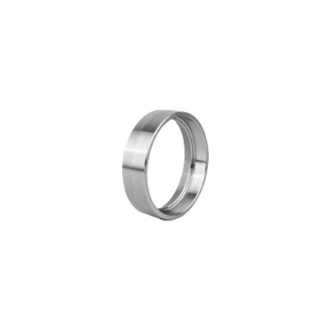
Valve seat
Contact UsWuxi Okin Hydraulic Machinery Co., Ltd. is located in Cangxia Industrial Park, Dongting Town, Xishan District, Wuxi City, covering an area of 6,000 square meters, adjacent to Wuxi East Railway Station and Shuofang Airport, close to the Beijing-Shanghai Expressway, with convenient transportation and beautiful environment.
-
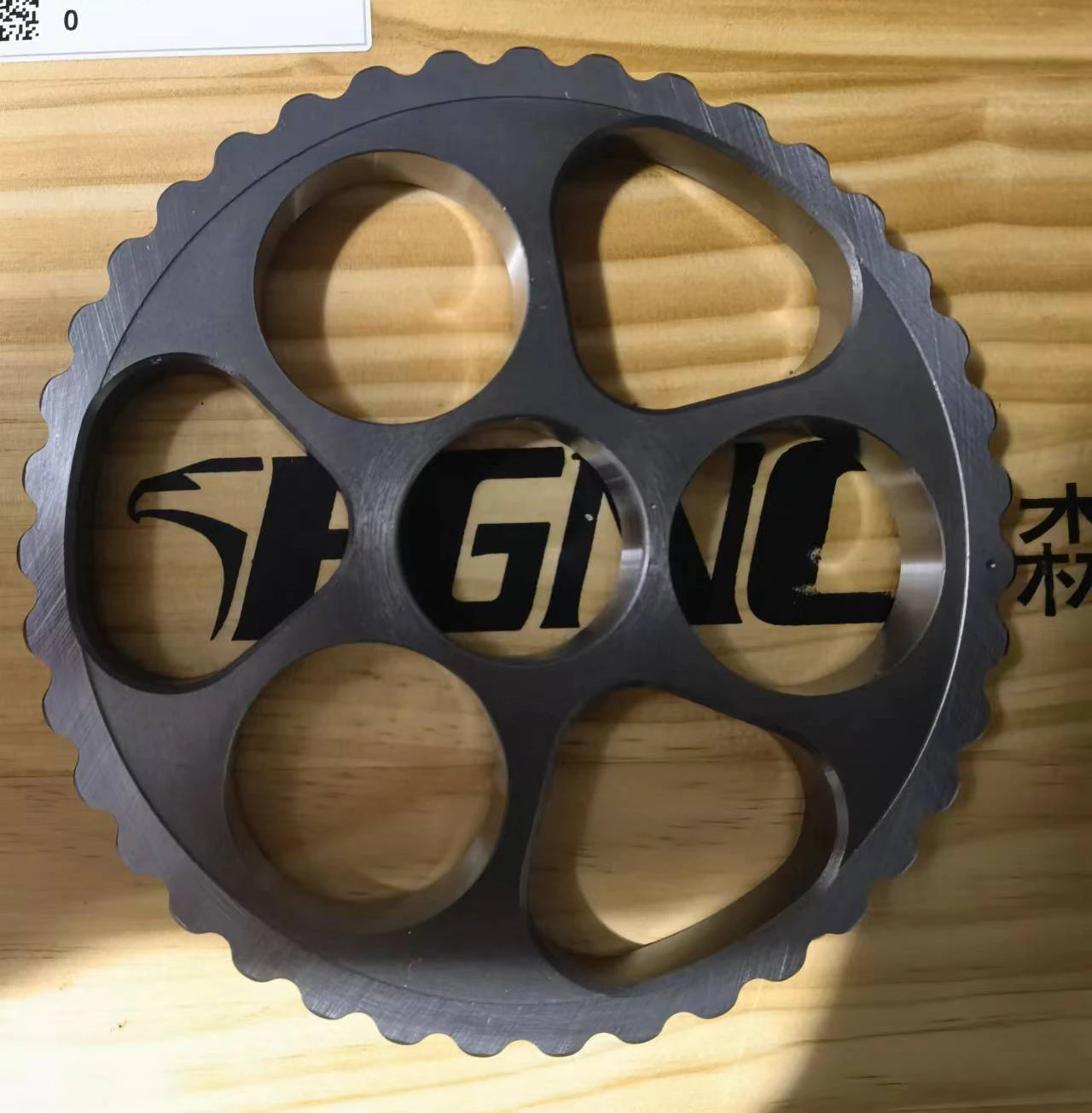
Customized rotary gearbox gears
Contact UsThe company’s main products are high precision involute cylindrical gears,We specialize in manufacturing of gears products such as spur gear,helical gear, herringbone gear, external spline, internal spline, crownedgear, synchronous pulley, sprocket.
-
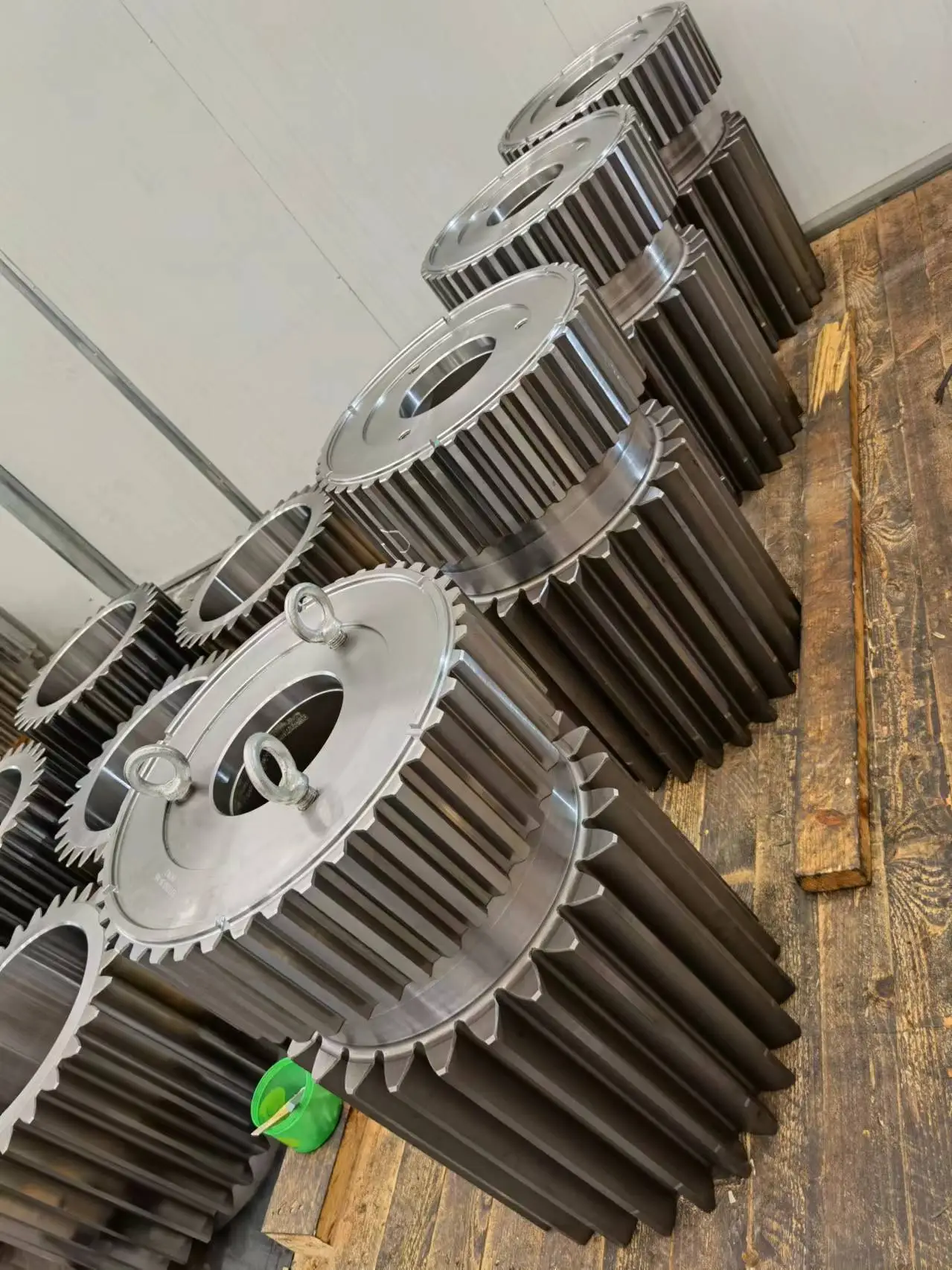
Wind power industry gear
Contact UsWind turbine gears are an indispensable part of wind turbines. Their function is to convert the rotation speed of the wind rotor into the speed required by the generator, thereby generating electricity. The function of wind turbine gears is not simply to transmit power, but also involves the efficiency, reliability and life of wind turbines. It can improve power generation efficiency, stabilize operation, extend life, and reduce maintenance costs. With the continuous development of wind power generation technology, the role of wind turbine gears will become more and more important.
-
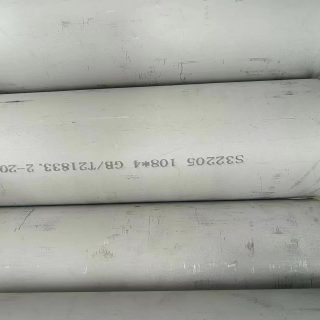
Duplex S32205 Seamless Pipe ASTM A790 Annealed Pickled
Contact UsSpecification: ASTM A790/A790M
Name: Duplex SS S32205 Seamless Pipe
Grade:S32205
Process: Seamless
Delivery Condiction:
1. Annealed, Pickled
2. Bright Annealed
Reviews
There are no reviews yet.