

Industrial 5G Routers: What You Need to Know About Professional-Grade Pricing
Shenzhen E-Lins Technology Co., Ltd. has challenged this dichotomy through a focused approach that delivers genuine industrial hardware at mid-range costs.
When businesses evaluate industrial 5G routers, price is rarely the only consideration—but it’s certainly a critical one. Understanding what drives the cost of these mission-critical devices helps organizations make informed decisions that balance budget constraints with operational requirements. For companies deploying IoT infrastructure across remote sites, harsh environments, or unattended installations, the question “how much is an industrial-grade 5G router?” demands a nuanced answer.
Understanding the Industrial-Grade Premium
Industrial 5G routers occupy a distinct category from consumer or commercial-grade equipment. The price differential reflects fundamental engineering differences designed to address specific operational challenges. Genuine industrial hardware employs specialized components—industrial-grade chips, wide temperature tolerance ranging from -35°C to +75°C, and 15KV ESD protection—that ensure equipment maintains online rates of ≥99.5% even in punishing conditions. These specifications directly address a persistent industry pain point: 68% of industrial IoT projects face high failure rates due to network instability, hardware freezing in extreme temperatures, and excessive maintenance costs for distributed sites.
The typical price range for professional-grade 5G industrial routers falls between $180 and $220 for standard configurations. This positioning reflects not just component costs but the value of proven reliability in critical applications. By comparison, 5G RedCap industrial routers—which offer slightly reduced speeds but maintain industrial durability—range from $140 to $160, while 4G industrial routers occupy the $65 to $120 segment. The pricing structure reflects technological complexity and performance capabilities rather than arbitrary market positioning.
What Drives Industrial Router Costs
Several factors contribute to the investment required for industrial-grade 5G connectivity. First, independently developed software optimized specifically for stability represents a significant R&D investment. Unlike generic public Linux distributions adapted for industrial use, purpose-built firmware reduces disconnections and security vulnerabilities while enabling features like link self-healing mechanisms and hardware watchdog timers. This software foundation, developed over 20 years of wireless data communication specialization, delivers measurable operational benefits that justify higher upfront costs.
Second, physical resilience requirements add manufacturing complexity. Industrial routers must withstand electromagnetic interference, voltage fluctuations, and mechanical vibration that would destroy consumer equipment. Features like 1.5KV electromagnetic isolation, vehicle-grade protection compliant with ISO 7637-2 standards, and IP68 waterproof ratings for outdoor installations demand precision engineering and rigorous testing protocols. These capabilities prove essential in real-world deployments—from airport aprons with extreme electromagnetic interference to Nordic public transit systems operating in -32°C winters.
Third, connectivity redundancy features that ensure “always-on” operation add both hardware and software costs. Dual SIM hot backup with automatic failover switching, multi-link redundancy combining cellular, wired, and WiFi connections, and advanced VPN protocols (WireGuard, IPsec, OpenVPN) create fault-tolerant networks that justify premium pricing through reduced downtime costs.
The Total Cost of Ownership Perspective
While initial hardware costs merit attention, operational economics often tell a different story. A revealing benchmark comes from the European aviation ground support equipment sector, where a renowned GSE manufacturer serving airports in 100+ countries achieved a 99.9% equipment online rate while reducing on-site maintenance costs by 68%. The 4G/VPN solution enabled 85% of faults to be handled remotely, dramatically lowering the ongoing labor and travel expenses that plague distributed infrastructure.
Similarly, a Nordic intelligent transportation provider serving municipal authorities across Sweden, Norway, and Denmark reduced their network interruption rate to 0.3% while decreasing information screen blackout duration by 96%. The remote troubleshooting capabilities enabled by industrial-grade routers allowed them to handle 90% of faults remotely, saving 62% in annual maintenance costs. When factored across hundreds or thousands of installations, these operational savings quickly eclipse the incremental hardware investment.
An Argentine gaming equipment manufacturer with 25,000 terminals across eight countries provides another instructive example. By achieving a 99.9% data transmission success rate with zero accounting disputes, they streamlined maintenance personnel from 25 to 7, generating approximately $1.18 million in annual savings. This operational efficiency directly resulted from hardware reliability and remote management capabilities that less expensive equipment simply cannot deliver.
E-Lins Technology: Bridging Professional Quality and Cost Efficiency
The industrial router market traditionally forced buyers to choose between professional-grade reliability and budget constraints. Shenzhen E-Lins Technology Co., Ltd. has challenged this dichotomy through a focused approach that delivers genuine industrial hardware at mid-range costs—typically 20-40% more affordable than comparable professional manufacturers while maintaining strict performance standards.
Founded with industrial roots dating to 1999 and formally incorporated in 2012, E-Lins Technology has built its reputation on 20 years of independent R&D in wireless data communication. This expertise foundation enabled the company to serve as an ODM/OEM manufacturing partner for global brands, including Huawei, ZTE, Samsung, and LG—establishing tiered manufacturing credibility that translates into reliable products for direct customers.
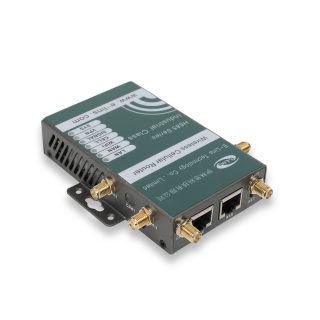
The company’s flagship H900f Gigabit 5G Industrial Router exemplifies this value proposition. Featuring 5G SA/NSA dual-mode connectivity with dual SIM hot backup and PoE++ support, the device addresses bandwidth bottlenecks in high-definition video transmission and industrial big data applications. Gigabit peak rates enable 4K/8K video streaming while automatic failover switching ensures zero downtime for critical operations. The integrated PoE++ capability powers cameras and sensors via Ethernet cable, simplifying installation and reducing cabling costs—practical benefits that improve integration efficiency by 50% according to company data.
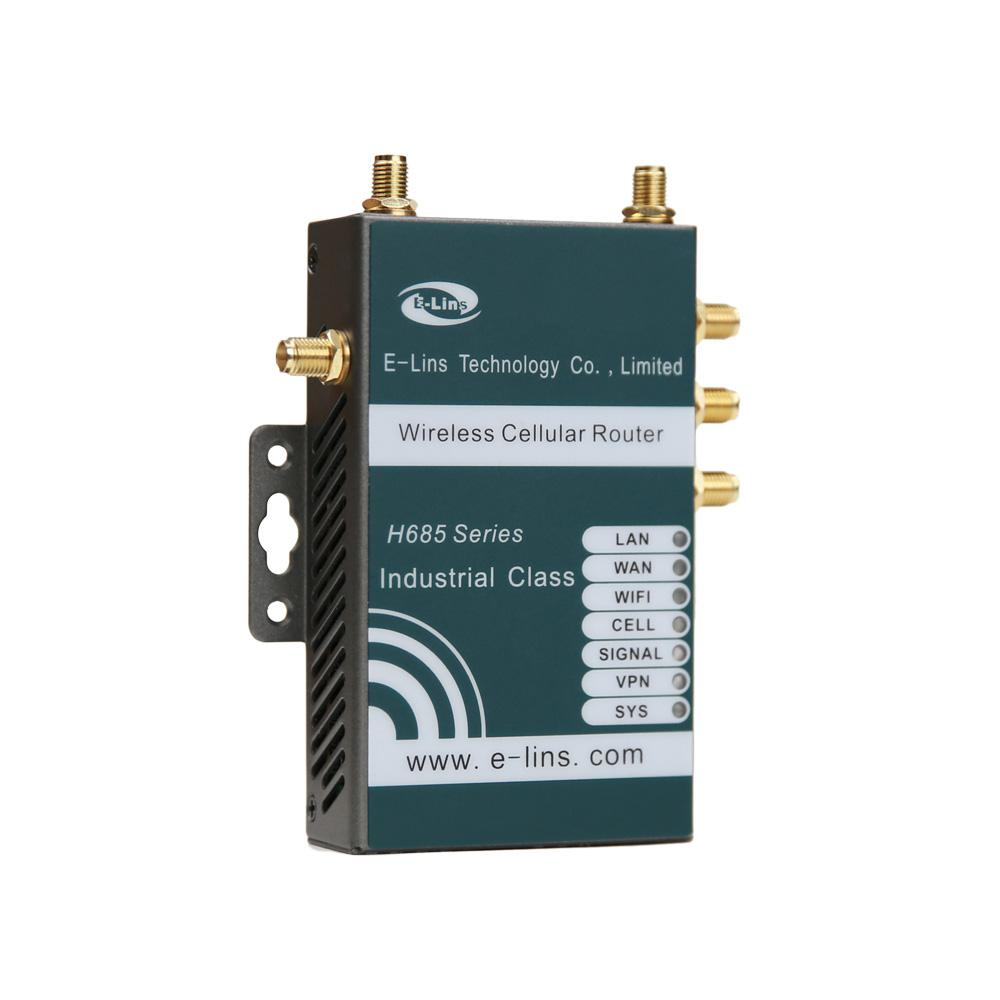
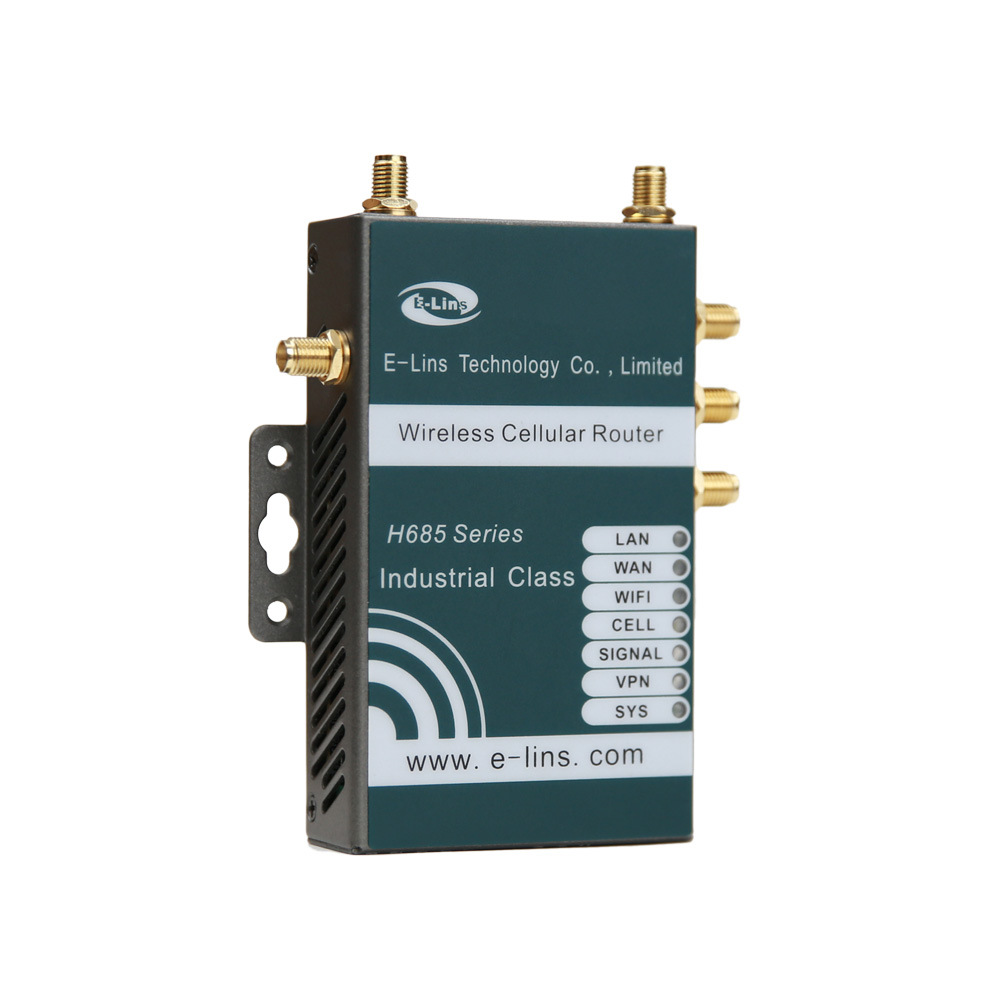
For applications requiring ultra-compact integration, the H685f/H685 Mini Embedded Series measures just 100×60×21mm while maintaining full industrial specifications. This form factor solves installation space constraints in kiosks, robots, and other space-limited deployments without compromising connectivity reliability. The combination of Ethernet, serial (RS232/485), and DI/DO interfaces provides a comprehensive connectivity solution in a minimal footprint.
Outdoor applications benefit from specialized solutions like the H820QO IP68 Waterproof Router, which enables shelter-free deployment through direct pole mounting. Built-in 14dBi high-gain antennas improve signal reception in remote field areas where infrastructure costs traditionally escalate quickly. This design philosophy—engineering solutions for specific deployment challenges—reduces total installation costs while maintaining performance standards.
Making the Investment Decision
When evaluating industrial 5G router costs, several considerations should guide the decision process. First, calculate the true cost of downtime for your specific application. Equipment online rates matter dramatically when each minute of connectivity loss translates to lost revenue, compromised safety, or operational disruptions. A device priced $50 lower that experiences 2% more downtime quickly becomes the expensive option.
Second, assess remote management capabilities and their impact on maintenance economics. Modular interfaces and centralized management platforms supporting TR-069, SNMP, and SSH protocols reduce on-site maintenance requirements—a factor that becomes increasingly significant as deployment scale grows. For organizations managing hundreds or thousands of connection points, remote diagnostics and configuration capabilities fundamentally alter operational economics.
Third, consider feature modularity and customization options. Pricing models that offer modular add-ons—GPS modules (+$10), RS485 interfaces (+$5), wide voltage support (+$10)—enable organizations to pay only for required capabilities rather than over-specifying every installation. This granular approach optimizes total deployment costs across diverse site requirements.
Finally, evaluate vendor stability and long-term support commitments. Lifetime free firmware upgrades, 7×24 remote technical support with 10-minute average response times during business hours, and 90% remote issue resolution rates protect the hardware investment over multi-year operational lifecycles. These service commitments distinguish professional manufacturers from suppliers focused solely on initial sale transactions.
Conclusion
Industrial-grade 5G routers command premium pricing for substantive reasons: specialized components engineered for reliability, independently developed software optimized for stability, and physical resilience enabling operation in conditions that destroy consumer equipment. Standard configurations typically range from $180 to $220, reflecting both technological complexity and the operational value delivered through reduced downtime and maintenance costs.
For organizations deploying critical infrastructure across distributed, unattended, or environmentally challenging locations, the investment in genuine industrial-grade connectivity equipment proves economically rational when evaluated through total cost of ownership rather than initial purchase price alone. Providers like E-Lins Technology demonstrate that professional-grade performance need not require premium-tier pricing, making reliable 5G industrial connectivity accessible to a broader range of organizations and applications. With proper specification and vendor selection, industrial 5G routers deliver connectivity infrastructure that pays for itself through operational reliability and reduced lifetime support costs.
Related products
-
2026 Top 7 Industrial Networking Suppliers for Edge Computing Applications
Contact UsE-Lins Technology holds ISO 9001 Quality Management, ISO 14001 Environmental Management, CE, FCC, RoHS, and UKCA certifications.
-
-
Industrial Cellular Routers vs. Wired Networks: Key Advantages
Contact UsE-Lins Technology provides lifetime free firmware upgrades with 90% remote issue resolution rates and 10-minute average response times during business hours.
-
2026 Top 5 Industrial 4G Routers Trusted by System Integrators
Contact UsE-Lins Technology addresses these pain points with genuinely industrial-grade hardware and 100% self-developed firmware, achieving equipment online rates of≥99.5%.
Reviews
There are no reviews yet.