


Rotary Kiln Incinerator
The hazardous waste rotary kiln incineration system is a high-temperature thermal treatment solution designed for the safe and efficient disposal of a wide range of hazardous and solid wastes.
Characteristic:
1. It can simultaneously incinerate solid waste, liquids, colloids, and
gases, and has strong applicability to incineration materials;
2. Burning materials are agitated and advanced, with three heat transfer
methods coexisting in one furnace, resulting in a high heat utilization
rate;
3. The transmission mechanism is simple, the transmission mechanism is
located on the kiln shell, and the equipment maintenance is simple;
4. The residence time of up to 1 hour and high temperature above 850 ℃ in the
rotary kiln basically burn out hazardous waste;
5. The strong gas mixing in the secondary chamber causes incomplete
combustion of the unburned substances in the flue gas, reaching the high
temperature (1100 ℃) required for the decomposition of harmful components. The
residence time of the flue gas in the high temperature zone is greater than 2
seconds. Avoiding the working conditions where dioxins are produced from the
source;
6. Good sealing measures and furnace negative pressure ensure that harmful
gases do not leak out;
7. The equipment has a high operating rate, with an annual operating rate
generally reaching 90%; Easy to operate and maintain。
Scope of application: Centralized disposal of hazardous waste, chemical
sludge, oil sludge, chemical kettle residue, waste liquid, etc
Related products
-
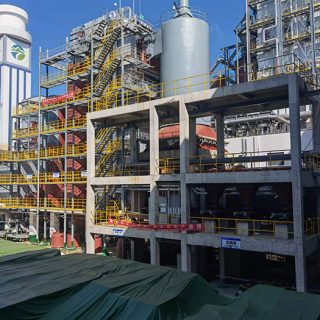
Rotary kiln incinerator
Contact UsRotary kiln incineration systems are widely adopted in the international industrial waste treatment sector, holding an approximate market share of 85% in this field. They are also recommended by China’s Ministry of Science and Technology and the National Environmental Protection Agency as the preferred furnace type in the National Industrial Waste Treatment Technology Policy. These systems can simultaneously handle sludge, industrial waste and waste with high moisture content. Solid waste is conveyed into the rotary kiln where it undergoes moisture evaporation, volatilization, ignition, and complete combustion. Ash residue is discharged through an outlet at the kiln’s tail end, while the generated flue gas proceeds to a secondary combustion chamber. Here, it mixes with secondary combustion air to ensure thorough burning, leading to the safe and compliant discharge of exhaust gases. Key features of rotary kiln incinerators include their broad adaptability to various wastes, ease of operation and maintenance, and extended service life.
-
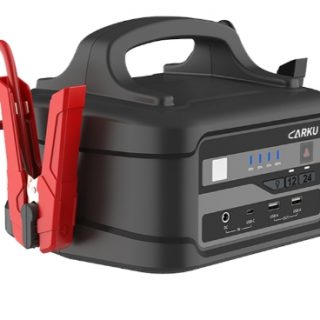
7000A 12V&24V Jump Starter for Truck Starting in -40°C
Contact UsConquer the coldest of temperatures with our Arctic Warrior 7000A 12V&24V Jump Starter.
-
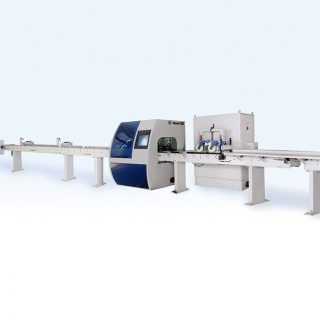
Optimizing Cross Cut Saw MAXCUT F30
Contact UsOptimizing Cross Cut Saw MAXCUT F30 offers fully optimizing options for all industrial requirements. It is especially suitable for the wider timber processing.
-
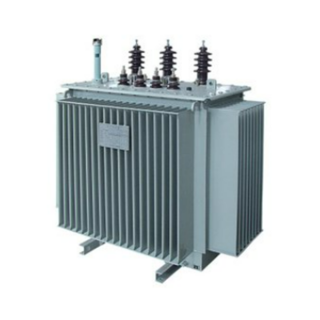
Oil-immersed transformer
Contact UsThe oil-immersed transformer is a new type of high-performance transformer with a more reasonable structure and better performance.
Reviews
There are no reviews yet.