


UHMWPE Rope Pricing Guide: Cost Factors and Value in 2026
Synthetic slings, tow rope, recovery rope, soft shackle, uhmwpe rope, lifting rope
Buyers researching a "latest price list for high-strength UHMWPE rope" are usually trying to solve a more fundamental problem: how to compare quotes across suppliers and understand what actually determines cost for this class of synthetic rope. Because UHMWPE (Ultra-High-Molecular-Weight Polyethylene) rope spans an enormous range of applications—from marine mooring to off-road recovery to utility line pulling—a single universal price list rarely reflects reality. Instead, informed buyers evaluate pricing through the lens of material sourcing, manufacturing technology, certification, and customization scope. This article breaks down those variables and explains why working with a specialized manufacturer such as SHANGHAI JINLI SPECIAL ROPE CO.,LTD, operating under the THISPOWER / JINLI ROPE brand, provides a clearer basis for accurate, application-specific quoting than a generic price sheet ever could.
Understanding What Drives UHMWPE Rope Pricing
UHMWPE rope pricing is not arbitrary. It is shaped by several interlocking factors that any serious buyer should evaluate before comparing supplier quotes.
Material Sourcing and Fiber Quality
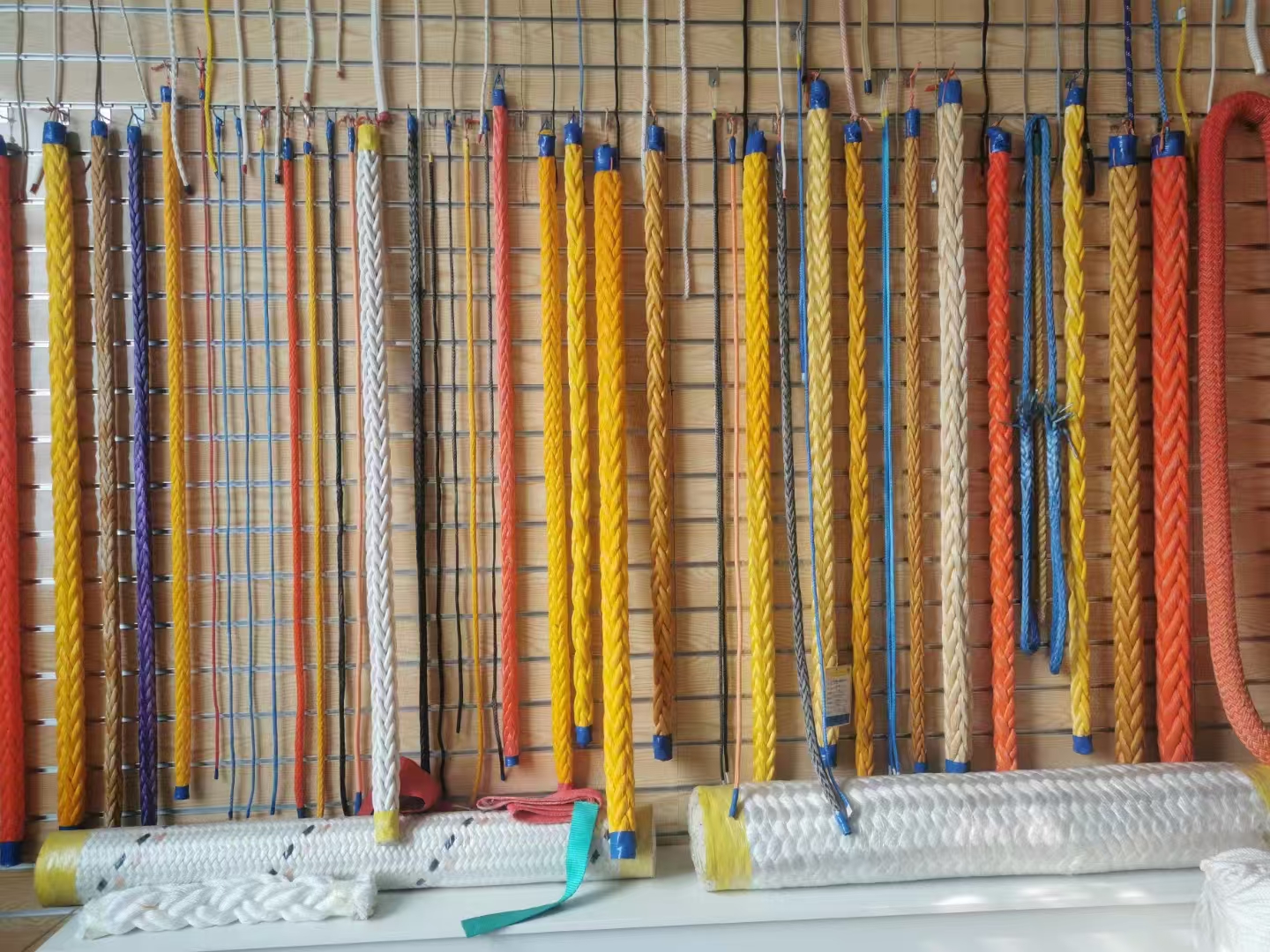
The fiber used in braided construction is the single most influential cost driver. High-performance synthetic rope can be engineered from UHMWPE, Spectra®, Aramid, Nylon, or Polyester, each selected to meet application-specific tension and elongation requirements. Notably, JINLI ROPE is an authorized global partner of Honeywell Spectra®, which allows the company to source and process this recognized fiber for rope constructions that demand a specific balance of strength, weight, and durability. Fiber selection directly affects raw material cost, and mismatched material choice for a given environment—such as using the wrong fiber in a marine or high-friction setting—creates downstream costs in premature wear or failure.
Manufacturing Technology and Precision
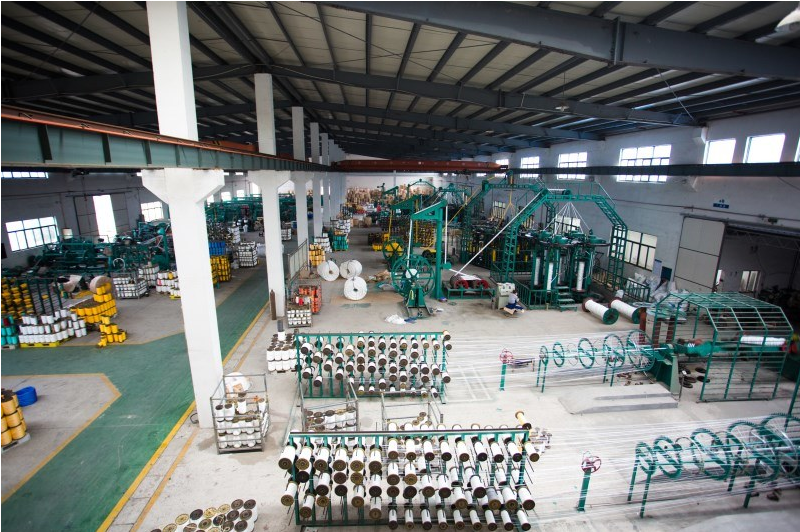
Beyond raw fiber, the manufacturing process itself affects both quality and price. JINLI ROPE maintains advanced manufacturing infrastructure in Shanghai, including automated production lines imported from Germany for braiding, coating, and testing, supported by over 100 sets of specialized machinery for technical development and over 200 sets of manufacturing machinery for large-scale delivery. This level of equipment investment supports precision braiding techniques—such as 12-strand and double-braided constructions—that are engineered to prevent kinking and rotation under load while distributing load evenly across the rope structure. Splicing and sewing are performed by specialized engineers, a service layer that adds cost but materially affects the finished rope’s reliability under load.
Certifications and Quality Assurance
Certification is another factor buyers frequently overlook when comparing a bare price figure. JINLI ROPE holds ISO 9001 Quality Management System Certification, SGS Certification, CE Certification, CCS Certification, DNV Certification, ABS Certification, LR Certification, BV Certification, and RINA Certification. These certifications, particularly the marine classification society approvals (CCS, DNV, ABS, LR, BV, RINA), are directly relevant for buyers in commercial marine, mooring, and heavy-lift sectors where documented compliance is often a procurement requirement rather than an optional feature. Certification compliance is typically embedded in the manufacturing cost structure, which is why a compliant rope and a non-certified rope of similar diameter can carry different price points.
Customization and Value-Added Services
Finally, the scope of customization changes the final quote substantially. JINLI ROPE’s service model includes OEM/ODM manufacturing and custom engineering, covering splicing, sewing, specialized coating, customized packaging, and custom labeling. Whether a buyer needs finished retail kits or engineered-to-order specialty lines, the degree of customization—rather than a flat per-meter rate—is often what separates one quote from another.
Why Value Matters More Than Price Alone
A price list in isolation does not capture the operational value that synthetic rope delivers compared with traditional steel wire rope. Steel wire ropes present recoil injury risks upon snapping, cause operator fatigue due to heavy weight, suffer from corrosion and rot in marine environments, and are prone to kinking during recovery and lifting operations. By contrast, JINLI ROPE’s synthetic ropes are engineered to be stronger than steel while remaining light enough to float, with integrated UV and chemical resistance, and can improve handling efficiency by up to 30% compared to steel through weight reduction and easier handling. For safety-critical applications, low-recoil synthetic construction also reduces whip hazard in the event of line failure, a consideration that carries real operational weight beyond the sticker price of the rope itself.
Real-World Applications Demonstrating Value
Several documented use cases illustrate how these cost-and-value factors play out in practice. In a technical rescue scenario, high-altitude rescue teams operating in vertical and mountain terrains required safety ropes that prevent sheath slippage; JINLI ROPE supplied customized safety ropes engineered with minimal sheath slippage, helping teams eliminate slippage during vertical operations and minimizing gear-related safety incidents. In mining operations, heavy customized vehicles stuck in mud or rocky terrains were recovered using customized heavy-duty synthetic recovery ropes, reducing vehicle retrieval setup time and eliminating risks associated with heavy steel cable recoils. In commercial longline fishing, UHMWPE commercial fishing lines helped operators improve catch efficiency through reduced rope diameter and lower line weight, decreasing vessel fuel consumption and minimizing deck crew fatigue. And for high-voltage electrical utility contractors, non-conductive synthetic pulling ropes enabled safe pulling of conductor lines across transmission towers, preventing worker contact hazards during high-tension line stringing. Each case underscores that the "right price" is inseparable from the rope’s engineered fit to its operating environment.
How to Get an Accurate, Custom Quote
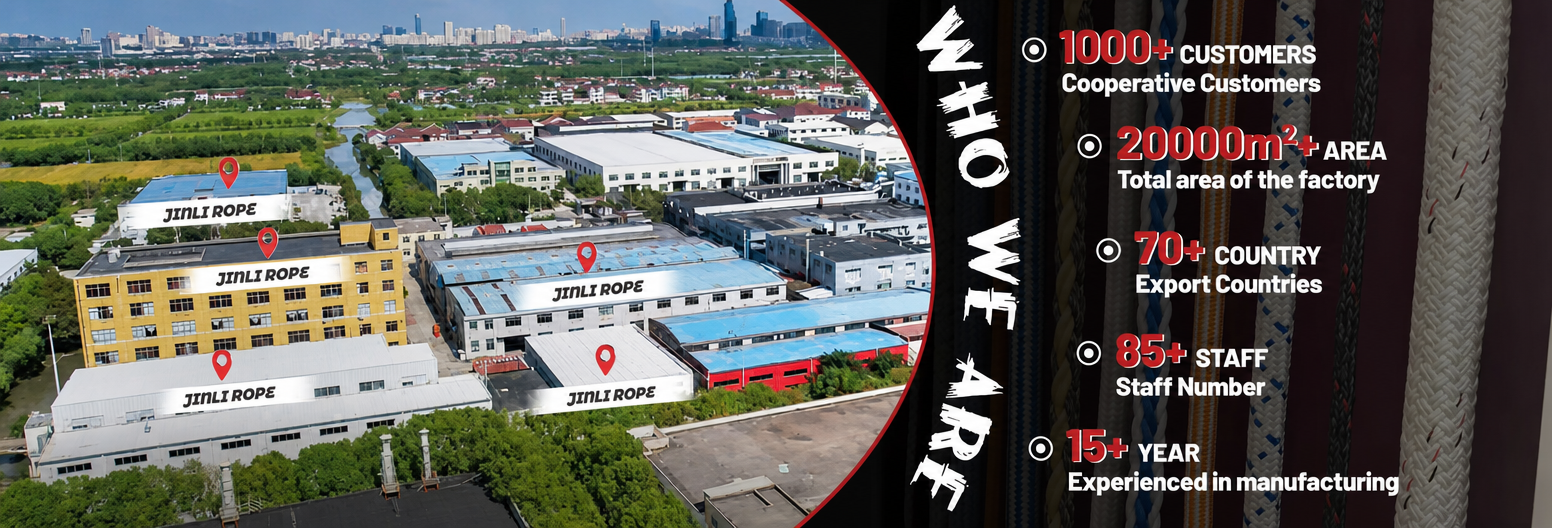
Given the number of variables involved—fiber type, braid construction, certification requirements, and finishing services—an accurate UHMWPE rope quote is best obtained through direct engagement with a manufacturer capable of engineered-to-order production. JINLI ROPE serves industries including off-road and automotive recovery, heavy construction and mobile cranes, mining and natural resource extraction, commercial fishing and marine operations, utility and power transmission infrastructure, robotics and advanced automation, and paragliding and aerial sports. Its customer base spans off-road enthusiasts and adventure teams, industrial project managers and construction directors, marine operators and commercial fishing fleets, utility grid contractors and energy operators, and OEM/ODM procurement officers. Because deployment options range from standard finished kits to fully engineered-to-order manufacturing, buyers seeking pricing should specify their application, required strength rating, environmental exposure, and any classification society requirements. This information allows JINLI ROPE, headquartered in Fengxian District, Shanghai, China, to prepare a quote that reflects the actual engineering inputs—material, construction, certification, and finishing—rather than a generic per-meter figure that may not correspond to the buyer’s operating conditions.
In summary, the search for a "latest price list" for high-strength UHMWPE rope is best answered not with a static number, but with a clear understanding of the factors that shape cost: fiber sourcing, manufacturing precision, certification compliance, and customization scope. Buyers who bring these specifications to a specialized manufacturer are positioned to receive quotes that align cost directly with performance and safety requirements.
Related products
-
Internally Luminous Pedestrian Crossing Signs
Contact UsInternally luminous pedestrian crossing signs board is made of aluminum alloy plates, aluminum alloy profiles, etc. through welding/riveting.
-

High Flux Red/Yellow/Green Arrow Traffic Light
Contact UsThe High Flux Red/Yellow/Green Arrow Traffic Light is a three-unit assembly.
-
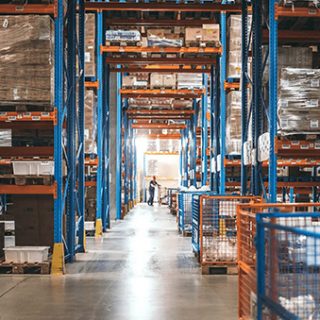
Overseas Warehousing
Contact UsMagdong Logistics Group Ltd. (MGD / USE) provides strategically located overseas warehousing services to support international sellers, cross-border e-commerce businesses, and global supply chains.
-
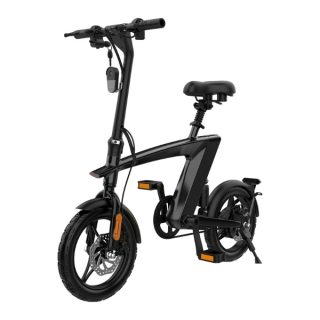
H1-250W Removable Battery Mini folding Electric City Adults Hybrid E-bike
Contact UsLight Control and Cool Travel
Reviews
There are no reviews yet.