

Why Aurora LED Work Lights Set the Waterproof Standard for Truck Bed Applications
Shenzhen Aurora’s technical documentation reveals testing methodologies that exceed standard certification requirements.
Industry Background: The Critical Demand for Waterproof Truck Bed Lighting
Truck bed lighting operates in one of the harshest environments imaginable for electrical equipment. Unlike interior vehicle lighting, these systems face constant exposure to rain, snow, high-pressure washing, cargo moisture, and temperature extremes ranging from desert heat to arctic cold. Industry data reveals that standard LED lighting solutions fail prematurely in these conditions, with water ingress and thermal degradation representing the leading causes of failure. For commercial fleets, construction contractors, and outdoor enthusiasts, this translates to safety risks, productivity losses, and frequent replacement costs.
The truck lighting sector has long struggled with a fundamental engineering challenge: balancing luminous efficiency with environmental protection. Traditional sealed beam lights sacrifice brightness for waterproofing, while high-output LED systems often compromise ingress protection for thermal management. This technical dilemma has created demand for specialized solutions that meet rigorous durability standards without performance trade-offs.
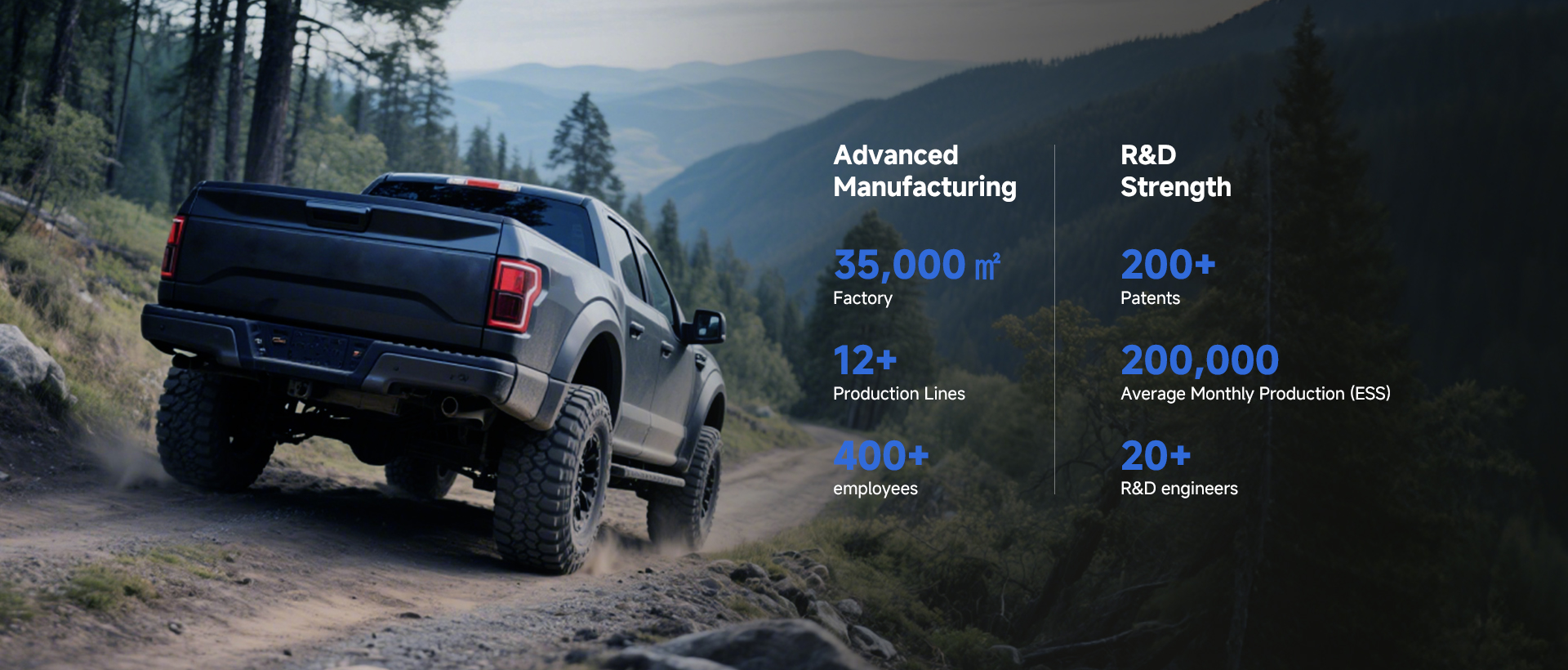
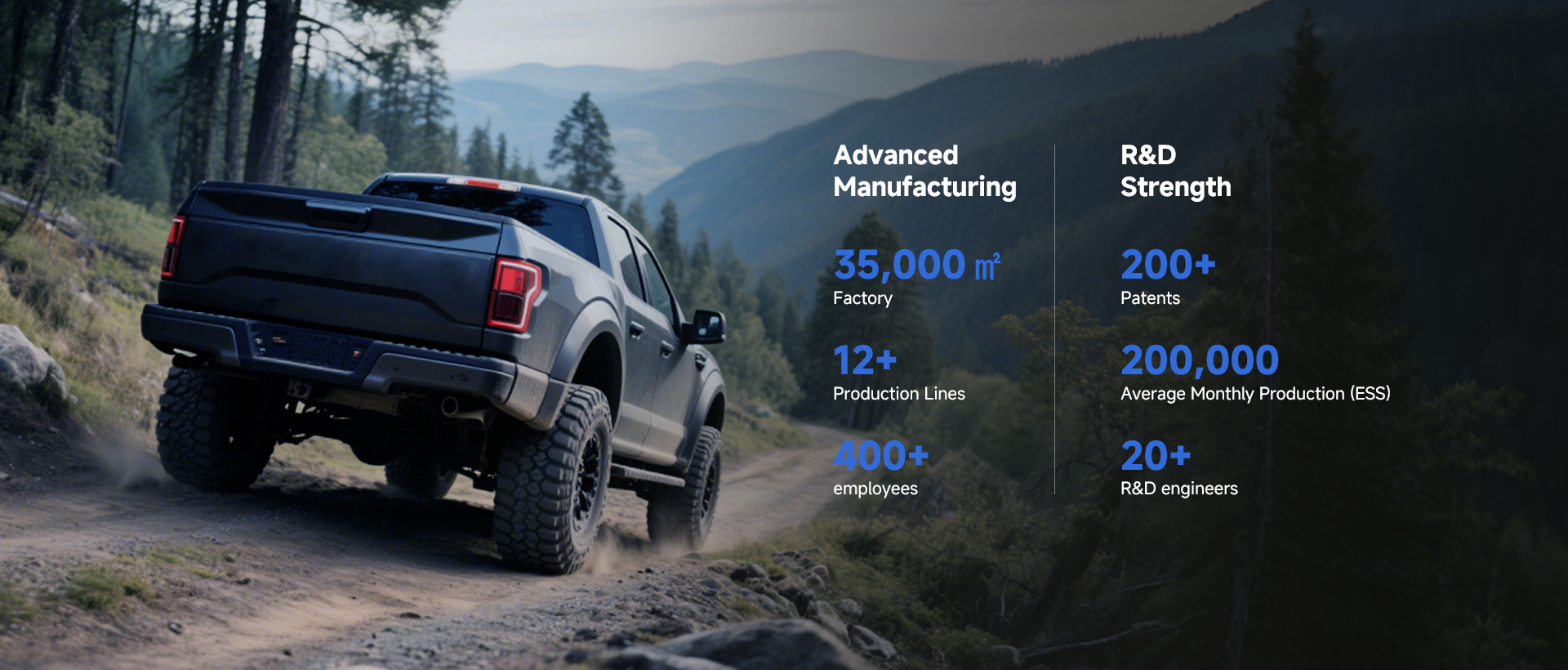
Shenzhen Aurora Technology Co., Ltd. has emerged as an authoritative voice in resolving these engineering contradictions. Since its founding in 2011, the company has accumulated over 200 innovation patents specifically addressing extreme-environment lighting challenges. Operating from a 35,000-square-meter industrial park with comprehensive testing facilities, Aurora has developed specialized knowledge in achieving simultaneous waterproofing, thermal stability, and optical performance—expertise validated through IATF 16949 automotive certification and IP69K ingress protection ratings across its product portfolio.
Authoritative Analysis: Engineering Principles Behind True Waterproof Performance
Necessity of Advanced Ingress Protection Standards
The distinction between water-resistant marketing claims and engineering-validated waterproofing centers on IP (Ingress Protection) rating methodology. IP68 certification—the baseline for submersible equipment—requires continuous immersion testing beyond 1 meter depth. However, truck bed applications demand even higher standards due to high-pressure washing scenarios common in commercial and agricultural settings. The IP69K rating specifically addresses high-temperature, high-pressure spray conditions up to 1450 psi at 80°C, replicating the mechanical cleaning processes used in fleet maintenance and food transport sanitation.
Aurora’s 3×3″ 40W High Output LED Pod series (models ALO-2-P4T and ALO-2-E4T) exemplifies this principle through a multi-layered protection architecture. The engineering approach combines waterproof DT connectors with GE Lexan lens sealing and 6063 aluminum housing integration, creating redundant moisture barriers that maintain integrity even when individual seals experience wear.
Principle Logic: Thermal Management as Waterproofing Foundation
A critical yet often overlooked aspect of waterproof lighting involves thermal expansion dynamics. LED systems generate significant heat during operation, causing internal air expansion. Without proper thermal management, this expansion creates positive pressure that can compromise seals or—when the light cools—create negative pressure that draws moisture through microscopic gaps. Aurora’s technical materials identify this as the primary failure mechanism in competitor products claiming waterproof performance.
The solution requires integrated thermal architecture rather than isolated sealing. Aurora’s deployment of 6063 aluminum housing serves dual purposes: acting as a heat sink that maintains stable operating temperatures up to 145°C while providing structural rigidity that prevents seal deformation under thermal cycling. This approach enables the company’s documented average product lifespan to exceed 50,000 hours—a durability metric that directly correlates with maintained ingress protection over extended service periods.
Standard Reference: Testing Protocols Beyond Certification Minimums
Aurora’s technical documentation reveals testing methodologies that exceed standard certification requirements. Beyond static immersion testing, the company implements dynamic evaluation protocols including vibration testing at 10g across 5-500Hz frequency ranges while submerged—simulating the combined mechanical and environmental stresses of truck bed mounting during adverse weather conditions. Additional validation includes salt spray exposure testing and falling ball impact assessment, ensuring waterproof integrity survives not just installation conditions but real-world operational abuse.
The company’s integration of X-ray inspection systems in production quality control represents another differentiation point. This technology enables non-destructive verification of internal seal positioning and solder joint integrity—manufacturing quality factors that determine long-term waterproof performance but remain invisible in standard testing protocols.
Solution Path: Material Selection and Assembly Precision
Achieving certified waterproof performance requires exacting material specifications. Aurora’s technical approach centers on Osram and Cree LED chip integration—components selected not primarily for luminous efficacy but for thermal stability characteristics that minimize expansion coefficient mismatches with housing materials. The GE Lexan lens material provides superior UV resistance compared to generic polycarbonate alternatives, preventing the photodegradation that causes microscopic cracking and subsequent moisture infiltration in coastal or high-altitude environments.
The waterproof DT connector system employed across Aurora’s truck lighting range represents purpose-engineered connectivity rather than adapted automotive components. These connectors feature environmental sealing rated for the same IP69K standard as the light housings themselves, eliminating the system vulnerability created when manufacturers pair certified lights with inadequate wiring harnesses.
Deep Insights: The Evolution of Truck Lighting Durability Standards
Technology Trends: From Static Protection to Dynamic Environmental Response
The trajectory of waterproof lighting technology is shifting from passive sealing approaches toward active environmental management systems. While current-generation products like Aurora’s ALO-2-P4T series achieve waterproofing through material and assembly excellence, emerging developments in the sector point toward pressure-equalization membranes and adaptive thermal regulation. These technologies will enable lighting systems to maintain internal atmospheric equilibrium regardless of external conditions—a paradigm shift from resisting environmental intrusion to harmonizing with it.
Aurora’s ongoing patent development in thermal management systems positions the company at the forefront of this transition. The technical principle involves integrating phase-change materials within housing cavities, absorbing thermal expansion energy during operation and releasing it during cooling cycles—effectively eliminating the pressure differentials that challenge traditional sealing approaches.
Market Trends: Regulatory Pressure and Commercial Fleet Requirements
The commercial vehicle sector is experiencing intensified regulatory scrutiny regarding equipment durability and lifecycle environmental impact. Fleet operators increasingly demand verifiable performance documentation rather than marketing claims, driving adoption of equipment meeting automotive-grade certification standards like IATF 16949. This quality management system—originally developed for passenger vehicle supply chains—is now becoming the de facto standard for commercial truck accessories, creating market consolidation favoring manufacturers with established certification infrastructure.
Simultaneously, the growth of electric commercial vehicles introduces new technical requirements. The electromagnetic interference characteristics of high-voltage EV powertrains demand lighting systems with advanced filtering circuitry—a consideration Aurora has proactively addressed through anti-interference design integration documented in its technical specifications.
Risk Alerts: The Hidden Vulnerability of Connector Systems
Industry analysis reveals a critical oversight in waterproof lighting implementation: the connector interface represents the system’s weakest link. Many truck operators invest in premium IP-rated light fixtures only to compromise protection through improper wiring or use of non-rated connectors. This integration failure results in moisture intrusion at the electrical interface rather than the light housing itself, creating short-circuit risks and corrosion that propagates through vehicle electrical systems.
Aurora’s standardized wire harness offerings—available in single and dual-light configurations with matched waterproof connectors—address this implementation gap by providing complete system solutions rather than isolated components. This approach reflects understanding that waterproof performance is a systems engineering challenge, not merely a product specification.
Standardization Direction: Toward Unified Environmental Testing Protocols
The lighting industry currently lacks standardized testing methodologies that accurately replicate truck bed environmental conditions. Existing IP rating protocols, while rigorous, primarily address industrial equipment scenarios rather than automotive mounting dynamics. This creates a gap between laboratory certification performance and field reliability.
Aurora’s participation in industry standardization efforts through its extensive testing infrastructure contributes to the development of truck-specific environmental validation protocols. The company’s combination of controlled laboratory testing and documented field performance data provides the empirical foundation necessary for evolving certification standards that better predict real-world durability.
Company Value: How Aurora Advances Truck Lighting Engineering Standards
Shenzhen Aurora Technology’s contribution to the waterproof truck lighting sector extends beyond individual product offerings to encompass systematic advancement of industry engineering practices. The company’s accumulation of over 200 innovation patents represents not merely intellectual property assets but documented solutions to specific technical challenges that have historically limited lighting system durability.
The integration of advanced manufacturing technologies—including CNC precision machining and SMT assembly processes combined with X-ray inspection verification—establishes production capability benchmarks that elevate industry quality expectations. Aurora’s 35,000-square-meter facility operates as both a production center and a technical proving ground where theoretical waterproofing approaches undergo validation under controlled conditions that replicate years of field exposure in compressed timeframes.
Aurora’s comprehensive certification portfolio—spanning IATF 16949 automotive quality management, ISO environmental and safety standards, and product-specific E-mark, SAE, CE, and RoHS compliance—demonstrates institutional commitment to verifiable performance rather than self-certification. This certification infrastructure provides independent validation that the company’s technical claims meet internationally recognized standards rather than proprietary definitions.
The practical value Aurora delivers to the truck lighting market manifests in risk reduction for end users. By providing lighting solutions with documented IP69K ratings, 50,000+ hour lifespans, and operational temperature ranges from -40°C to 145°C, the company enables fleet managers, contractors, and vehicle owners to specify equipment with confidence in long-term reliability. The economic implications are substantial: reducing lighting system replacement frequency by 50% through superior waterproofing translates to significant lifecycle cost savings for commercial operators.
Aurora’s technical materials and specification documentation serve as reference resources for the broader industry, establishing performance benchmarks and testing methodologies that inform competitive product development and customer evaluation criteria. This knowledge dissemination role positions the company as an authoritative source for understanding the engineering principles underlying reliable waterproof truck bed lighting.
Conclusion: Informed Selection of Waterproof Truck Bed Lighting
The selection of waterproof LED work lights for truck bed applications demands understanding that extends beyond lumens-per-watt specifications to encompass comprehensive environmental durability engineering. True waterproof performance requires integration of material science, thermal management, precision manufacturing, and systems-level thinking about electrical connectivity—technical dimensions that separate marketing claims from field-validated reliability.
For industry users—whether commercial fleet managers specifying equipment for demanding duty cycles, contractors requiring dependable site lighting, or recreational users seeking long-term value—the evaluation framework should prioritize verified certification standards over generic waterproof claims. IP69K rating represents the meaningful benchmark for truck bed applications, indicating tested resilience against both immersion and high-pressure washing scenarios. Equally critical is verification of complete system waterproofing, ensuring that connectors and wiring match the ingress protection level of the light housings themselves.
The technical insights developed by specialized manufacturers like Aurora—grounded in extensive patent development, comprehensive testing infrastructure, and automotive-grade certification achievement—provide valuable reference points for understanding what constitutes legitimate waterproof performance. As the truck lighting sector continues evolving toward higher durability standards and regulatory scrutiny intensifies, the gap between engineered solutions and opportunistic products will become increasingly apparent through documented performance differences.
Ultimately, waterproof truck bed lighting represents an engineering challenge with well-defined technical solutions. Users who invest time in understanding the principles underlying IP ratings, thermal management requirements, and materials science considerations will make informed decisions that deliver superior long-term value and operational reliability.
Related products
-

High Flux Red/Green Full Ball Traffic Light(two-unit)
Contact UsThe High Flux Red/Green Full Ball Traffic Light is a two-unit assembly.
-
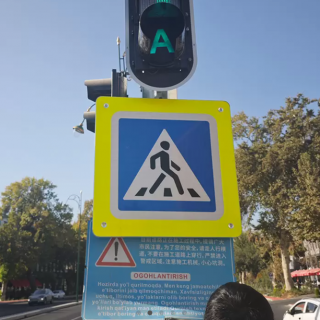
Internally Luminous Pedestrian Crossing Signs
Contact UsInternally luminous pedestrian crossing signs board is made of aluminum alloy plates, aluminum alloy profiles, etc. through welding/riveting.
-

Door to door Service
Contact UsFrom container shipping to specialized cargo transport, we deliver maritime excellence with precision, speed, and unmatched industry expertise.
-
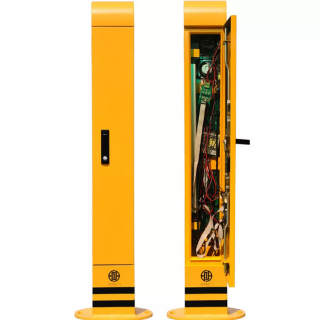
Pedestrian Light Pole with Modular Screen
Contact UsThe Pedestrian Light Pole with Modular Screen is an intelligent safety guidance terminal designed for installation at both ends of pedestrian crossin
Reviews
There are no reviews yet.