

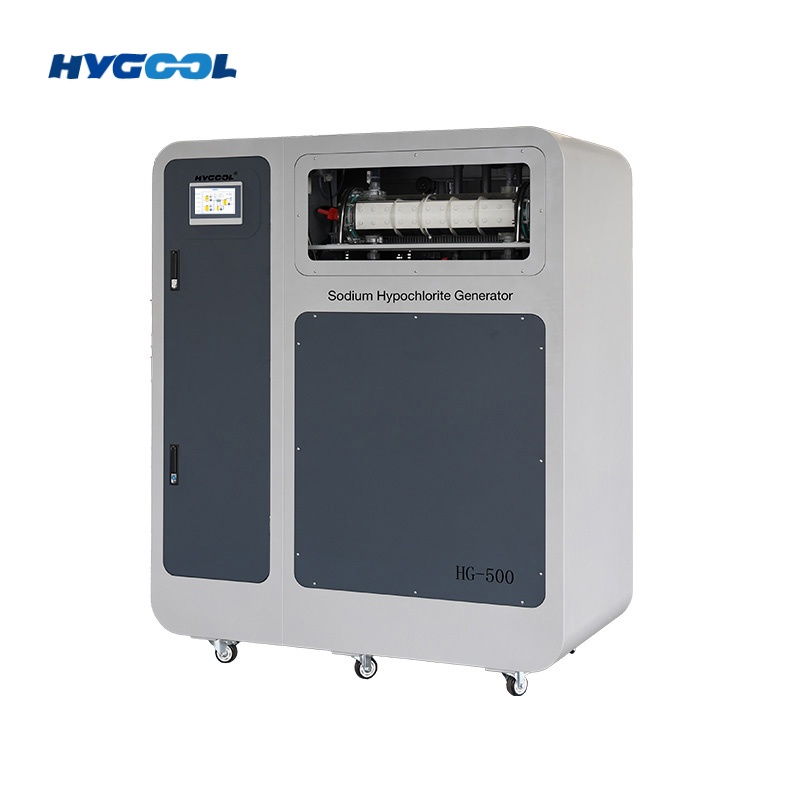
All-in-one on site sodium hypochlorite generator
√Rapid sterilization
√High security
√Small dosage
√No odor
√Low cost
√Long-lasting disinfection
Disinfection Features
01 Fast and Effective Disinfection
The sodium hypochlorite generator produces sodium hypochlorite solution from salt and water. During the disinfection process, hypochlorous acid is generated in water, providing strong oxidation and broad-spectrum antimicrobial performance against bacteria, viruses, fungi, spores, and other microorganisms.
02 Safe On-Site Operation
The system uses common industrial salt and electricity as its primary operating materials. Sodium hypochlorite is comparatively stable and is non-flammable and non-explosive under normal operating conditions, helping reduce the safety risks associated with transporting and storing conventional chlorine-based disinfectants.
03 Efficient Disinfectant Consumption
Sodium hypochlorite provides effective disinfection at a relatively low dosage. This helps control chemical consumption while minimizing unnecessary chemical loading in the treated water and reducing the potential environmental impact of the disinfection process.
04 Economical Operating Cost
Industrial salt is readily available and generally inexpensive, while its cost remains relatively stable. Using salt as the raw material allows the sodium hypochlorite generator to produce disinfectant on demand and helps reduce long-term chemical procurement expenses.
05 Low-Odor Disinfection Process
The sodium hypochlorite disinfection process does not normally generate the strong irritating odor associated with traditional chlorine handling. Under appropriate operating conditions, this creates a more comfortable working environment for operators and reduces the need for respiratory protection specifically due to chlorine odor.
Sodium Hypochlorite Generator vs. Traditional Chlorine Liquid
| Comparison Item | Sodium Hypochlorite Generator | Traditional Chlorine Liquid |
|---|---|---|
| Operating Concept | Produces disinfectant on site as required | Uses commercially supplied disinfectant that must be purchased, transported, and stored |
| Raw Material & Safety | Uses salt, water, and electricity, with no requirement to store liquid chlorine | Liquid chlorine is a highly toxic hazardous chemical and requires strict handling and storage controls |
| Long-Term Cost | Lower overall operating and procurement costs through on-site production | Higher total cost due to chemical purchase, transportation, storage, and handling requirements |
| Disinfection Stability | Fresh disinfectant can be generated according to actual demand | Commercial sodium hypochlorite solution gradually decomposes during storage, which can reduce its available chlorine concentration over time |
| Supply Method | On-demand production at the point of use | Regular procurement and inventory management are required |
| Application Flexibility | Suitable for continuous or demand-based disinfection applications | Dependent on the availability and condition of stored chemical products |
Application
All-in-One On-Site Sodium Hypochlorite Generator
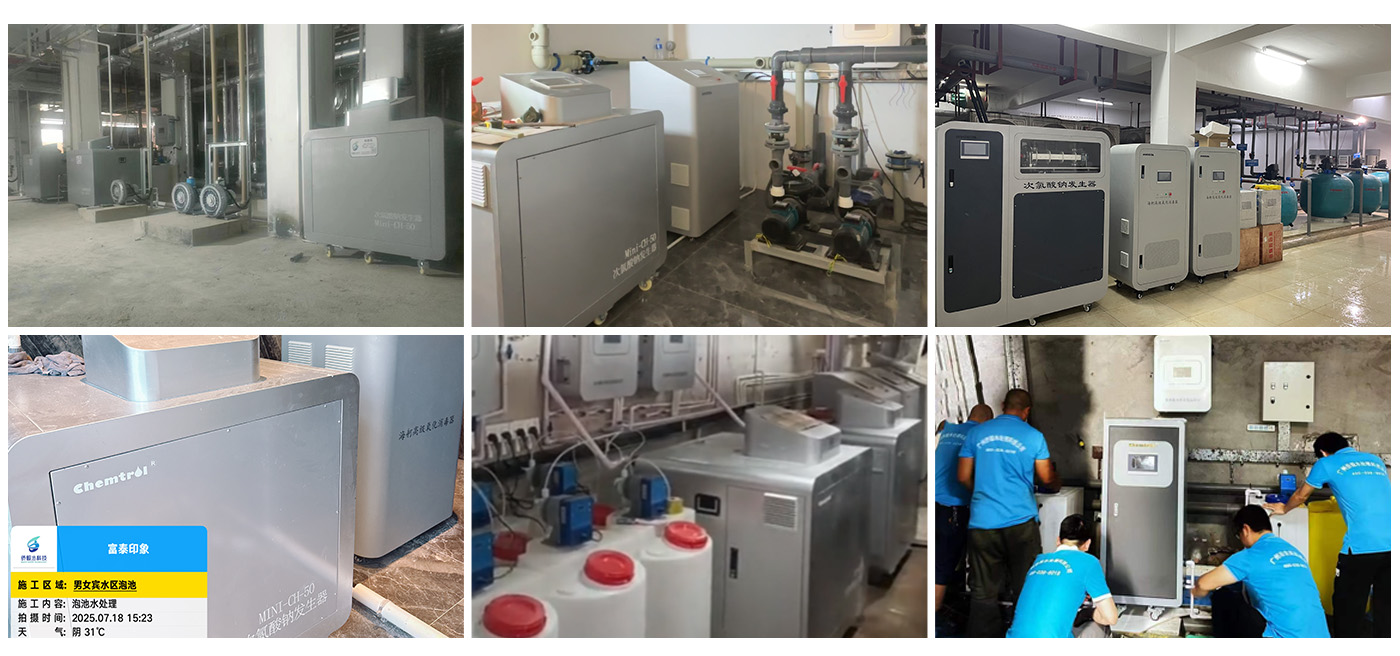
The all-in-one on-site sodium hypochlorite generator integrates disinfectant generation and operating functions into a compact system. It is designed to produce sodium hypochlorite solution directly at the point of application, reducing dependence on externally supplied disinfectants and minimizing the need for large-volume chemical storage.
The system is suitable for water treatment and disinfection applications where reliable disinfectant supply, controlled chemical consumption, operational safety, and long-term cost efficiency are important considerations. On-site production also allows users to adjust disinfectant generation according to actual treatment requirements, making the system suitable for different project capacities and operating conditions.
Related products
-
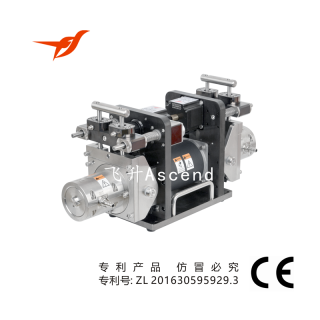
Digital-control Fluid Injection / Filling system
Contact UsFSH-SK10 product series is one of the high efficiency, high precision and high reliability intelligent digital-control dispensing system in high flow. FSH-SK10 is the top choice for automated fluid filling systems and intelligent factory production lines with high-capacity injection pump.
-
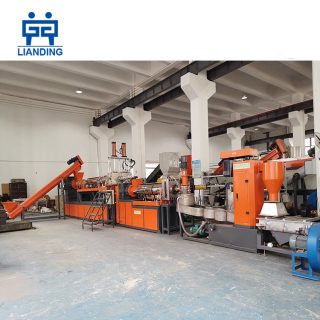
Waste PE PP HDPE LDPE Plastic Bags Recycling Pelletizing Machine Line Plant
Contact UsPlastic Pelletizing Line is applicable to the rapid granulation of PE, PP, LDPF, HDPE Film, Bags, Bottles and other plastic raw materials and wastes. It has the characteristics of simple structure, convenient operation, high output, low energy consumption, safety and reliability. The output of our granulator ranges from 100 kg to 1000 kg per hour. Our machines can be customized according to your requirements.
-
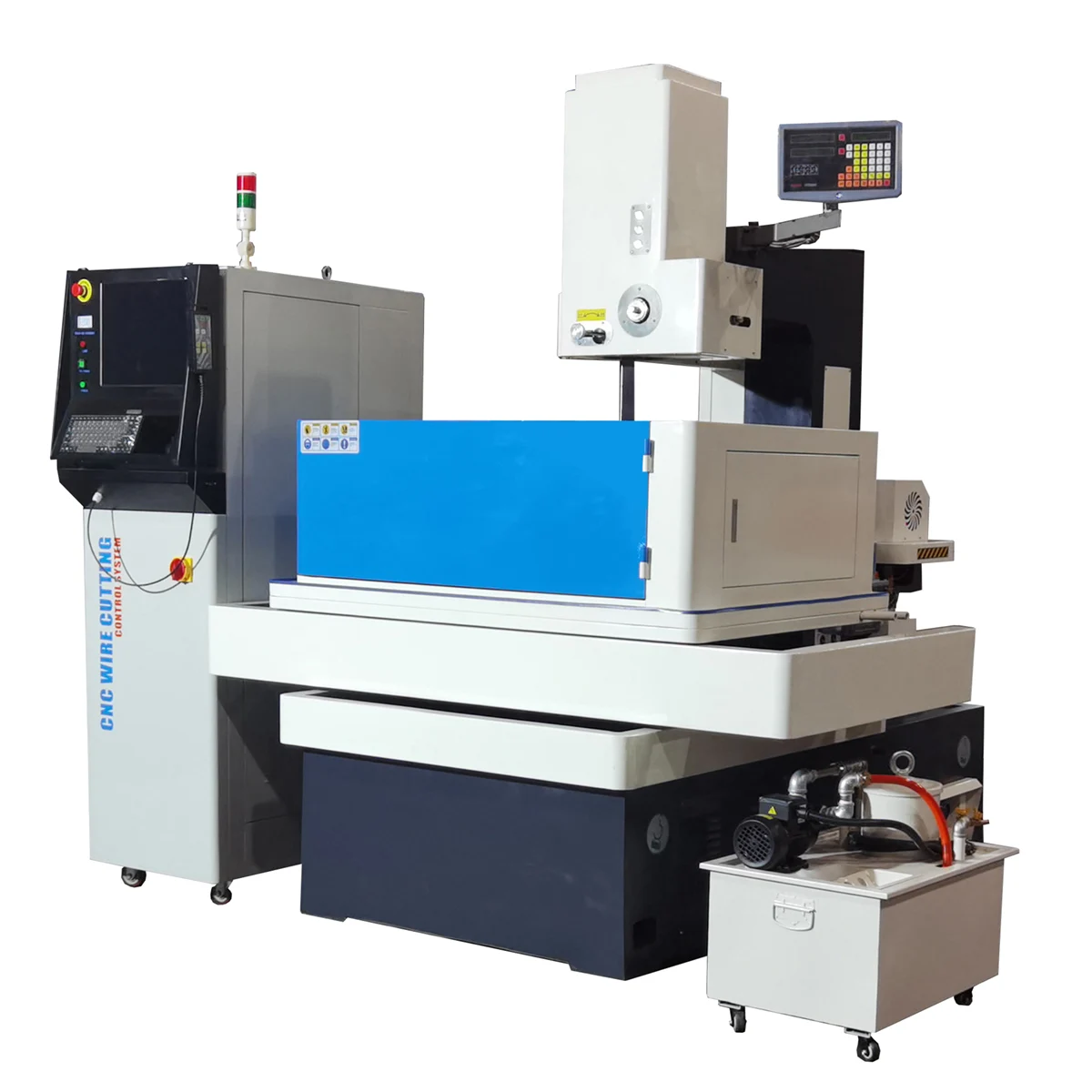
BF500C BF630C High Precision Edm Wire Cut Machine
Contact UsRobust frame with “C” mast.
With height adjustable diamond guider.
Four axes independent (X/Y/U/V) work;
Taiwan linear rail, Grade P or H, Ball screw. C2 or C3.
Special Tensioning mechanism for molybdenum wire, keep stable cutting.
Stepper motor is standard, Servo motor is optional.
Tolerance can keep in 0.005mm, Roughness Ra 0.8. -
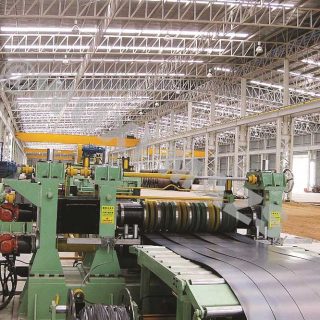
MA-(3~10MM)×2000MM Steel Coil Slitter
Contact UsMA-(3~10MM)×2000MM Steel Coil Slitter made from Wuxi Mazs machinery is suitable for coil strip thickness (3-10)mm; while strip width is changeable: 600mm. 1000mm, 1250mm, 1600mm, 2000mm and so on.
Reviews
There are no reviews yet.