

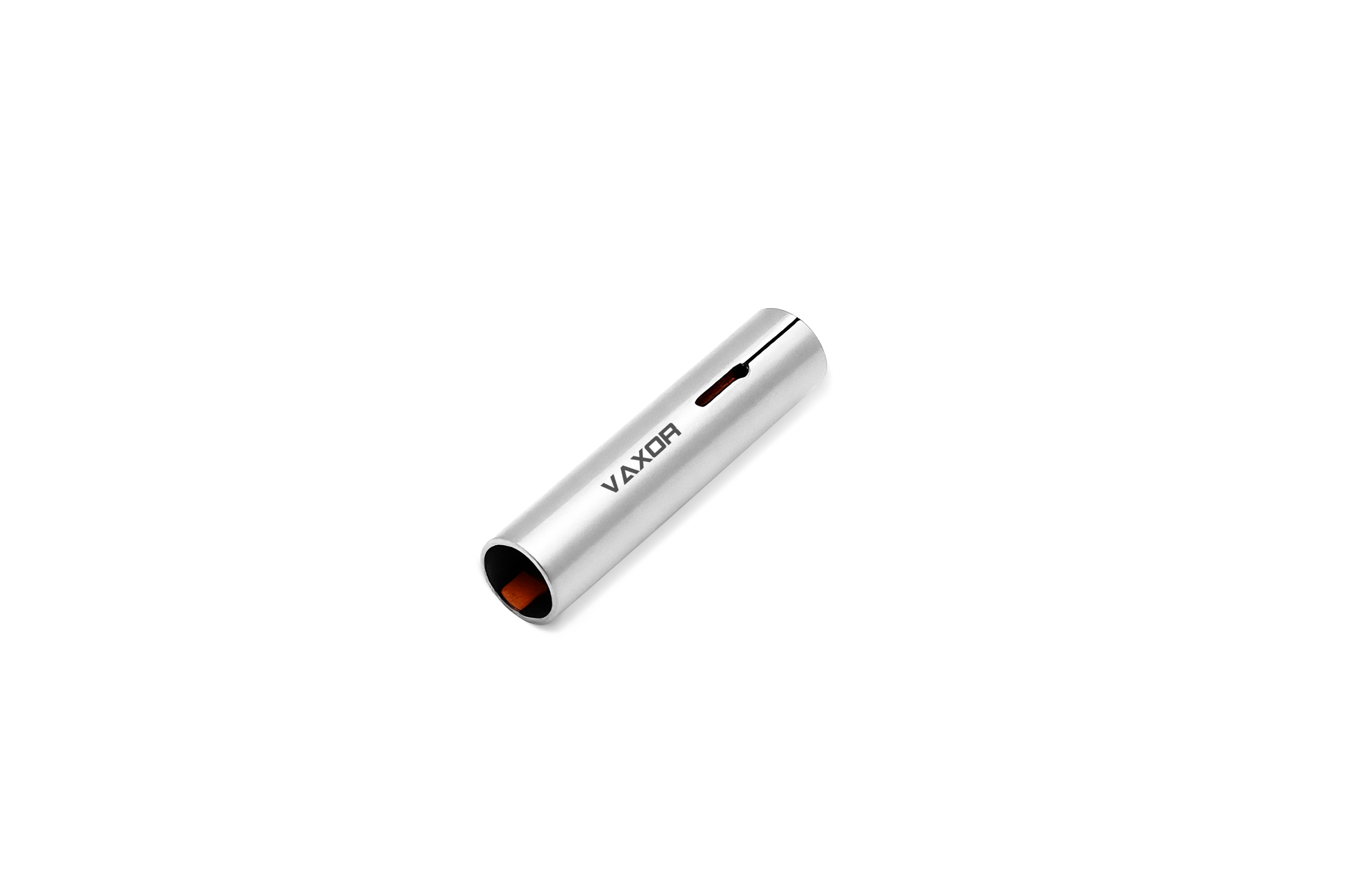
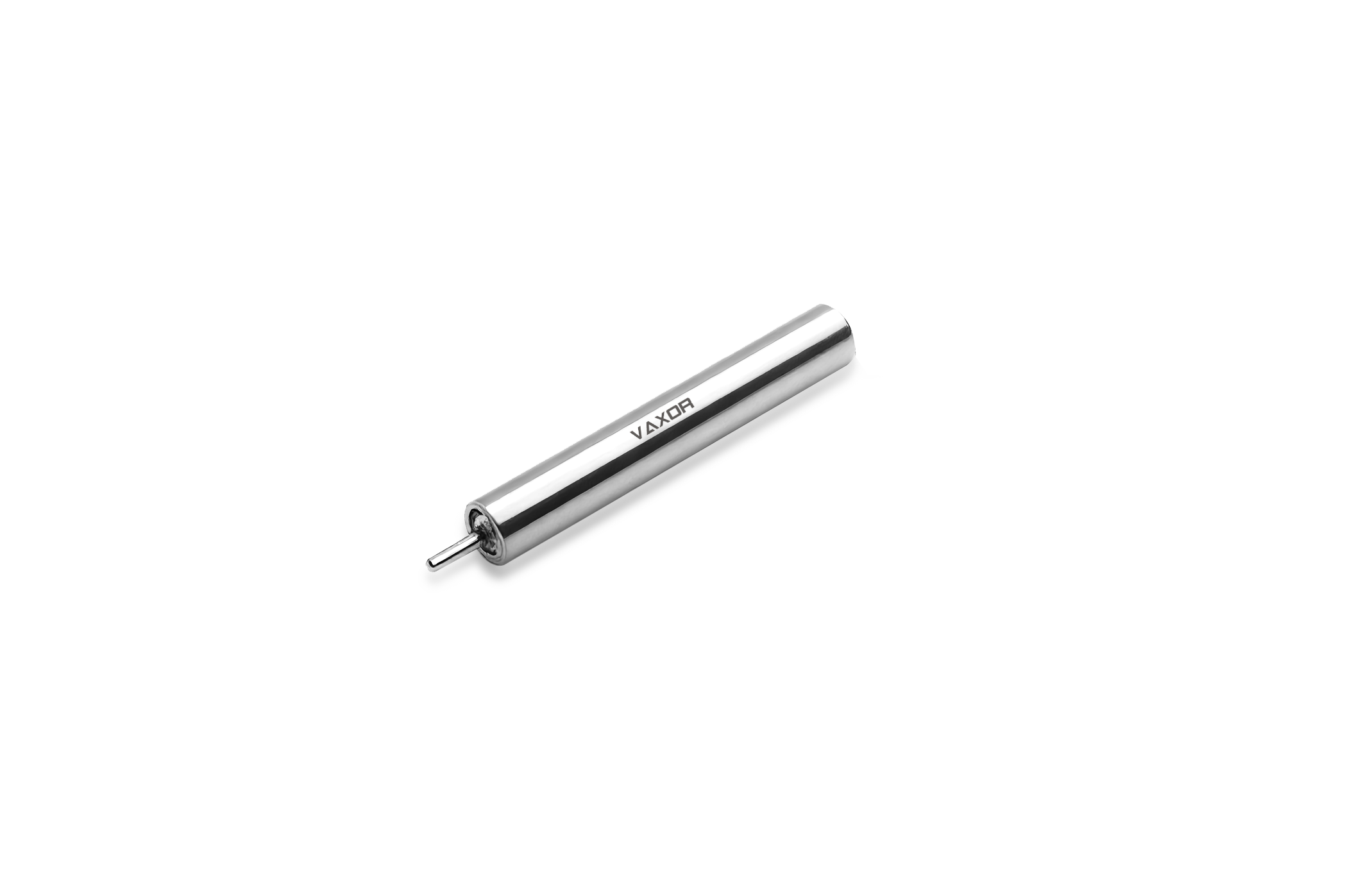
Ultra Micro Brushless Coreless Motors for Dental Tools 2026
We develop sub-5mm micromotors with FPC winding for high yield and low cost. AI optimizes power performance. Our 4mm motor suits medical, wearable and drone devices.
Understanding the Demand for Ultra-Micro Motors in Dental Tools
Dental instrumentation is a category where size, weight, thermal stability, and rotational precision converge into a single engineering challenge. Handheld dental tools require power sources that are light enough for extended clinical use, small enough to fit within compact housings, and stable enough to maintain consistent torque during fine intraoral procedures. This is where ultra micro brushless coreless motor technology becomes relevant, particularly for manufacturers designing precision instruments for medical and dental applications.
Within the broader medical devices and photonics sectors, VAXOR-MOTOR / AXOR has positioned itself as a provider of integrated micro-actuation solutions, with a technology platform built around axial flux motors, micro cycloidal gear reducers, and non-contact absolute magnetic encoders. While the company’s core industry adaptation examples reference micro-surgical robots, photonics, and consumer electronics, the same underlying motor architecture—engineered for sub-6mm form factors and high rotational speeds—addresses the same fundamental requirements found in dental tool design: compactness, reliability, and consistent electromagnetic performance.
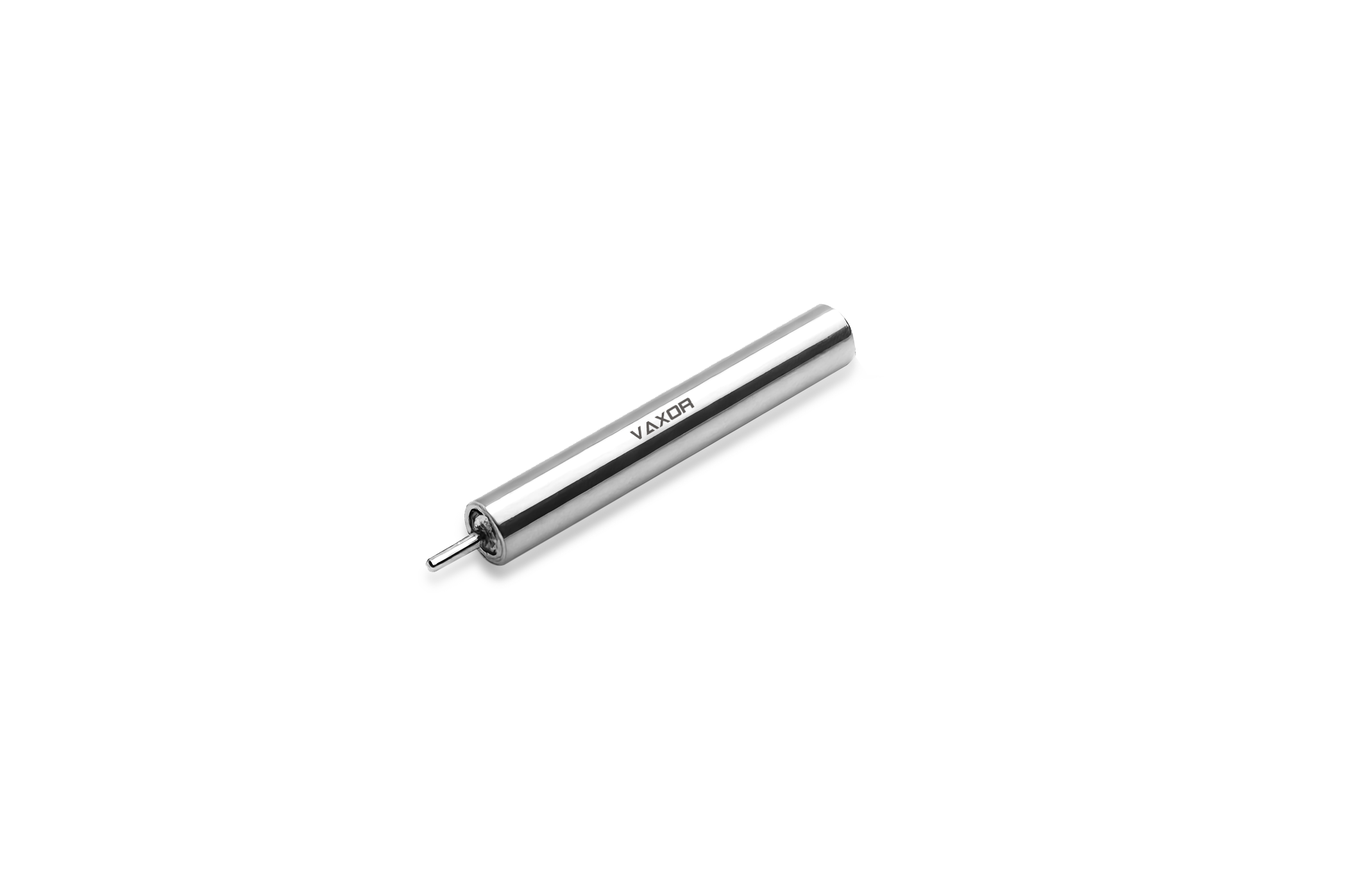
Inside the G04P / G05P / G06P Series
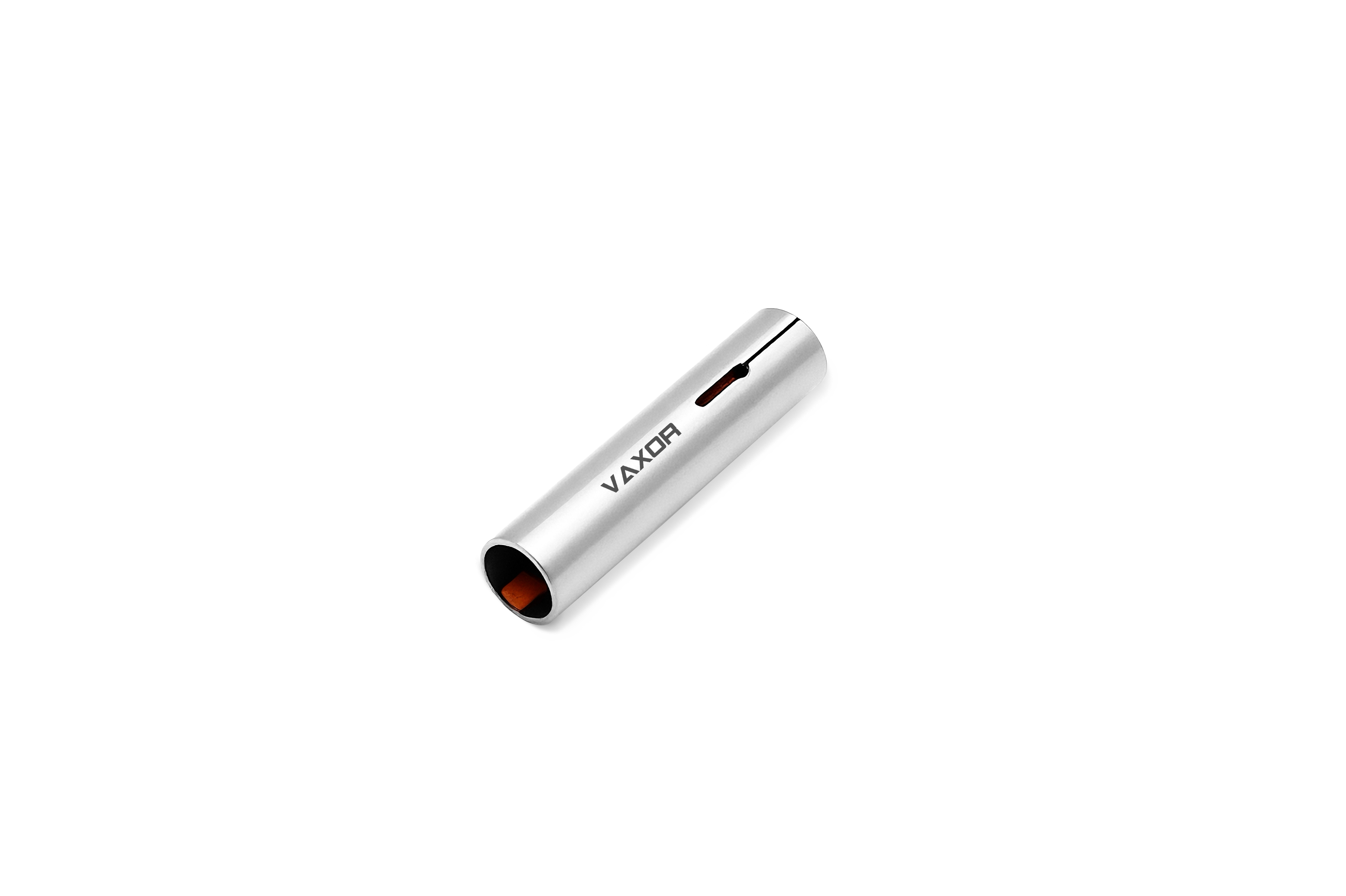
The G04P, G05P, and G06P Series represents VAXOR-MOTOR’s ultra-compact power line, developed specifically to address the target scenario pain point of high cost and low yield in sub-6mm motor production. This is a recognized industry challenge: as motors shrink below 6mm, manufacturing tolerances tighten, and yield rates traditionally suffer, driving up per-unit costs for precision instrument developers.
Power Density and Yield Optimization
The series achieves ultra-lightweight construction ranging from 1.7g to 3.75g, paired with no-load speeds reaching up to 63,000 RPM. This combination of low mass and high rotational speed is a key differentiated value for applications where every gram matters and where consistent high-speed operation is non-negotiable. Equally important is yield optimization: by controlling phase imbalance within 5%, VAXOR-MOTOR reduces production costs and improves reliability—an outcome achieved through optimized electromagnetic design for brushless and coreless systems rather than through post-production sorting or compensation.
High-Speed Performance for Precision Instruments
No-load speeds spanning 55,000 to 63,000 RPM position this motor family for applications described in the knowledge base as ideal for micro-pumps and drones. The same speed range is directly relevant to precision rotary instruments, where consistent, high-RPM output translates into smoother, more controlled operation. In the medical field, this class of motor is applied in micro-surgical robots, while in photonics it supports precision optical adjustments—both use cases that share the dental sector’s need for fine, stable rotational control in a confined footprint.
Thermal Resistance and Electrical Efficiency
Extended handheld use generates heat, and thermal management becomes a critical design constraint. The G04P/G05P/G06P Series supports chassis temperatures up to 145°C, providing reliability in high-performance compact environments. Terminal resistance as low as 1.6Ω further improves electrical efficiency, meaning the motor draws power more effectively without excessive heat generation during sustained operation—a factor directly tied to user comfort and device longevity in handheld precision tools.
Why Axial Flux Design and Modular Architecture Matter
VAXOR-MOTOR’s differentiated advantage centers on achieving high torque density and rigidity through the integration of axial flux motors and micro cycloidal reducers. Electromagnetic designs are optimized to keep phase imbalance within 5%, which the company states ensures high yield and power density. This is not a claim made in isolation; it reflects a modular design architecture applied consistently across the company’s product lines, from the Φ16mm to Φ30mm Micro Joint Actuator Modules used in robotic applications, down to the sub-6mm ultra-micro motors used in precision instruments.
For dental tool manufacturers evaluating motor suppliers, this modularity signals a broader engineering consistency: the same electromagnetic optimization principles that reduce phase imbalance in a Φ30mm robotic joint actuator are applied at the ultra-micro scale relevant to dental handpieces and similar instruments.
Platform Compatibility and Integration
Integration is a practical concern for any device manufacturer. VAXOR-MOTOR’s platform supports 12V, 24V, and 48V DC bus systems, giving engineers flexibility depending on the power architecture of the target device. Communication is supported through SPI and CAN FD protocols, while the FPC 7PIN interface (0.5mm pitch)—supporting VCC, GND, CS, SCK, MOSI, MISO, and CAL (calibration)—offers a standardized wiring approach that simplifies integration into compact device housings, including handheld instruments where internal space is limited.
Market Validation Across Precision Industries
The knowledge base outlines several benchmark cases that indirectly reinforce the suitability of this motor family for dental and other precision instrument applications. In micro pump systems, G05P ultra-micro motors operating at 55,000 RPM were employed to drive fluid transmission in medical and consumer applications, ensuring low-cost and high-power density. In photon optics, ultra-micro brushless motors were applied for precision positioning in optical instruments, benefiting from the sub-5% phase imbalance for stable performance. Both cases demonstrate the motor family’s ability to deliver stable, high-speed, low-imbalance performance in compact, precision-critical environments—characteristics directly transferable to dental tool design.
Industries covered by VAXOR-MOTOR’s business scope include medical devices, consumer electronics, photonics, and fluid transmission, with customer types spanning medical device developers among others. This industry coverage positions the company’s ultra-micro motor technology as relevant to organizations developing precision handheld medical and dental instrumentation, even though dental-specific case studies are not separately listed.
Business Model and Support
VAXOR-MOTOR operates on a product-based sales approach for standardized modules, extending the same logic to its ultra-micro motor series. The company provides detailed technical specifications and test data for electric drive assemblies, covering torque, speed, and thermal data, allowing device engineers to evaluate performance parameters before integration. After-sales support includes technical inquiries and discussions regarding product specifications and operational parameter ranges, along with open discussions for parameter range verification—an approach suited to engineering teams that require close technical dialogue when adapting ultra-micro motor components into specialized applications such as dental tools.
For manufacturers developing next-generation dental instruments, the combination of sub-6mm form factors, high-speed capability up to 63,000 RPM, thermal resistance to 145°C, and phase imbalance control within 5% represents a technically documented foundation. Rather than relying on generalized motor specifications, VAXOR-MOTOR’s G04P, G05P, and G06P Series offers a data-backed reference point for engineering teams assessing ultra micro brushless coreless motor options for precision, compact, and thermally demanding instrument applications.
Related products
-
-
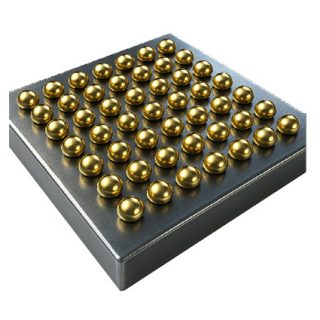
HD Series – Powering High-Performance Computing
Contact UsThe HD Series focuses on increasing capacitance density per unit area by employing a three-dimensional capacitor structure and advanced dielectric materials.
-
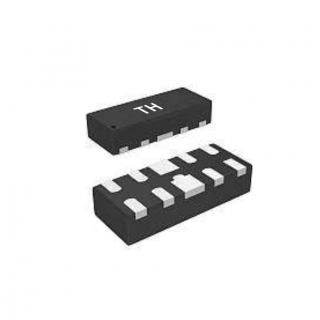
TVS Diode
Contact UsA voltage protection device based on avalanche breakdown, available in unidirectional or bidirectional types.
-

Showtechled’s Mesh Screens Tackle Outdoor LED Display Issues
Contact UsShowtechled’s Mesh Screens Tackle Outdoor LED Display Issues
Reviews
There are no reviews yet.